How Cup Shape Affects Latte Art and Milk Texture
If you’ve ever struggled to pour clean latte art or had your espresso’s crema break apart the moment milk hits it, the problem might not be your technique — it could be your cup. The shape and height of your coffee cup dramatically affect how milk flows, how well crema holds, and how long you have to perfect your pour. Choosing the right cup isn’t just about aesthetics; it’s about control.
For the best latte art results, start with a tall, round cup — it gives you more time to integrate milk and crema, and offers the steadiest surface for patterns. Avoid pouring into flat-bottomed or overly shallow cups until you’re confident with your pour.
Why Tall Cups Improve Milk Integration and Latte Art
Tall cups work better for latte art because they give baristas more vertical space to pour and stretch the milk. This extra height allows for a longer integration phase — the critical step where steamed milk is gently poured into the espresso to combine with the crema. Proper integration improves both flavour and texture, making the coffee taste smoother and ensuring the milk blends cleanly rather than clashing with the crema. With better integration, your latte art also becomes sharper and more defined. But this only works if you have enough milk foam. Some people pour hot milk first and save the foam for the end — this is a common mistake. Without integrating the foam properly, the crema breaks apart, the milk doesn’t mix well, and the drink tastes off.
The Challenge with Short, Flat-Bottomed Cups
Short, square-based cups create two problems for latte art. First, their wider, flat base leads to thinner crema, which is more fragile when milk is added. Second, the shape causes more turbulent milk flow, making it harder to control the pour. To manage this, many baristas tilt the cup when starting the pour, gradually leveling it as they add milk and begin forming patterns. (Tilting also has another purpose, which we’ll explore later.)
Why Round, Short Cups Are Great for Beginners
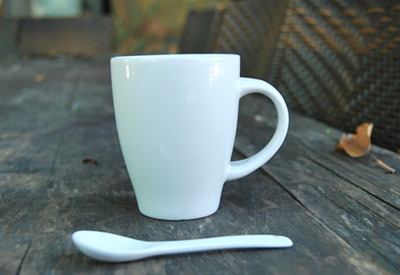
Round, short cups with wide mouths are some of the easiest to learn on. They give you quicker feedback during the pour, and latte art patterns tend to form more naturally due to the cup’s shape and shorter height. Since you have less time before the pour reaches the top, it forces focus — but it’s more forgiving for newcomers. A wide opening also gives you a clearer view of the espresso and crema as you begin pouring. Tip: if you can’t find a suitable coffee cup, a large kitchen bowl with a wide mouth can work for practice. Just know that most bowls won’t retain heat well, so they’re only good for drilling technique, not for serving.
Materials Matter: Choose Insulated Cups
Cup material affects more than just looks. Choose cups with good heat retention to help preserve both the crema and the temperature of the final drink. Well-insulated cups keep the espresso and milk mixture warmer for longer, which not only improves drinking comfort but also helps maintain the texture of the foam and crema during the pour and throughout the sip.
Quick Tips for Practicing Latte Art
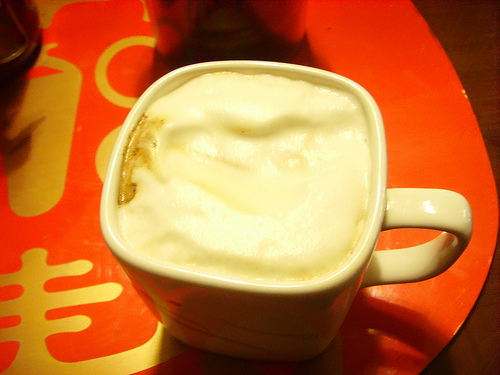
Start with a short, round, wide-mouthed cup to build confidence in your pour. Once you’ve mastered basic patterns, experiment with taller and differently shaped cups to see how they change your flow, timing, and design clarity. Regardless of cup shape, always ensure you have enough steamed milk foam — never pour all the hot milk first and try to save the foam for the end. That approach ruins integration, kills crema, and leads to poor-tasting drinks.
Frequently Asked Questions
Why does a tall cup help with latte art?
A tall cup gives you more vertical space to pour, allowing for better integration of milk and espresso. This improves crema stability, flavour blending, and gives you more time to form clear latte art patterns before reaching the top.
Is it wrong to pour hot milk first and then foam for latte art?

Yes. Pouring hot milk first and saving the foam for the end disrupts the crema and prevents proper milk integration. This leads to a broken crema, poor flavour, and unclear latte art designs. Always pour milk and foam together for best results.
What’s the easiest type of cup for beginners to practice latte art?
Beginners should start with a short, round, wide-mouthed coffee cup. These cups offer quicker visual feedback, shorter pour times for focus, and more forgiving milk flow, making it easier to learn basic patterns.
Does the material of the cup affect latte art?
Yes. Insulated or heat-retaining cups help maintain crema stability and keep the drink warmer, improving both texture and flavour during the pour and while drinking. Avoid thin or non-insulated cups if possible.
Can I practice latte art with a bowl?
Yes, a large kitchen bowl with a wide mouth can be used for practising pour control and milk flow. However, most bowls don’t insulate well, so they’re not ideal for serving or crema preservation — just for technique drills.
Best FrontStreet Coffee Beans for Latte Art
For latte art, FrontStreet Coffee’s Ethiopia Humbera offers bright berry and floral tones with a silky body — perfect for showcasing clean milk textures. Their Yirgacheffe delivers citrus and jasmine notes, balancing sweetness with smooth microfoam. For a richer base, try their Classic Blend, which combines Brazilian and Southeast Asian beans for chocolatey, nutty depth that pairs well with latte foam. All three beans are expertly roasted to highlight clarity and texture in milk drinks. Freshly roasted within 5 days · Orders placed before 17:00 ship the same day · Next-day delivery across most of Guangdong Province.
FrontStreet Coffee is a long-established specialty coffee roaster in Guangzhou China, selling freshly roasted beans from its own farm in Yunnan as well as dozens of carefully selected single-origin beans from around the world for both pour-over and espresso. The products deliver consistently excellent quality and great value, with shipping within 24 hours. Guangzhou's FrontStreet Coffee shop is recommended by many coffee lovers, and the beans are now available online at the Tmall 。
Important Notice :
前街咖啡 FrontStreet Coffee has moved to new addredd:
FrontStreet Coffee Address: 315,Donghua East Road,GuangZhou
Tel:020 38364473