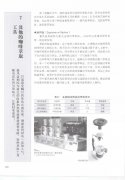
Choosing and Maintaining Specialty Coffee Equipment
If you’ve ever stood in a kitchen or café wondering which coffee tool makes the best cup—or how to stop your espresso machine from breaking down—you’re not alone. The right equipment matters just as much as the beans. But with so many options, from siphons to stovetop brewers, how do you choose? And once you have it, how do you keep it running well?
To get started, match your brew method to your roast preference and desired effort level. For example, a moka pot needs dark roast and fine grind; a siphon works better with medium roast and medium grind. Prices range from under $100 for manual brewers to over $15,000 for commercial espresso setups.
Picking the Right Brewing Device
Different coffee makers suit different roasts, grind sizes, and brewing styles. Here’s how to choose based on what you’re brewing.
Turkish Coffee Maker
Best for: Dark roast. Grind: Extremely fine powder. This small, portable pot with a long handle boils finely ground coffee in water. Brew time is about 1 minute. The settled grounds at the bottom are sometimes used for fortune-telling.
Naples-Style Stovetop Pot (Neapolitan Flip Pot)
Best for: Medium-dark roast. Grind: Medium. Also called a “flip pot,” this two-chambered, filter-screened device brews via dripping hot water downward after the lower chamber is boiled. Modern versions are usually stainless steel to avoid flavor tainting.
Siphon (Vacuum) Coffee Maker
Best for: Medium or light roast. Grind: Medium. Invented using physics principles (PV=nRT), this classic-looking brewer heats water in the lower globe, pushing it into the upper chamber with coffee grounds. After removing heat, the brewed coffee returns to the lower chamber by vacuum. Popular in atmospheric cafés.
Manual or Semi-Automatic Espresso Machine
Price range: ~$1,500 (single grouphead), ~$2,000 (double), ~$2,500 (triple). Consider a double-grouphead semi-automatic machine paired with a quality grinder (Swiss or Italian brands preferred). New machines offer temperature and pressure control—ask for a demo. Used machines may cost 50–60% less but come with repair risks.
Drip Coffee Maker (Large Capacity)
Price range: ~$1,900 (Taiwan-made), ~$3,000 (Japan-made). These excel at iced coffee. Budget option: a few-hundred-dollar filter stand with a narrow-spout kettle.
American Drip Coffee Machine
Best for: Medium or light roast. Grind: Medium. Common in homes and offices, these automatic filter brewers are simple to use—but lack the adjustability of manual pour-over for bean or grind variations.
Moka Pot
Best for: Dark roast. Grind: Fine. A compact stovetop brewer that uses steam pressure to push water through coffee grounds, similar in function to espresso machines but at lower pressure. Popular across Europe.
Other Useful Tools
Belgian Coffee Maker (~$600 Taiwan-made, ~$1,800 Belgian-made); Turkish Coffee Maker (~$1,200); Ice Maker (~$4,000); Blender (~$3,000–$20,000); Commercial Pancake Maker (~$1,700).
Coffee Setup for Startups on a Budget
New businesses typically choose between two types of espresso machines:
- Electronic (fully automatic): Set cup, water, and coffee amounts via buttons. Temperature and pressure are auto-regulated. Common in hotels and chains. Most expensive option.
- Semi-automatic: Requires manual operation but is more reliable for startups. Operators must learn proper techniques. Easier maintenance and often lower initial cost.
During installation, ensure power, water flow, and grouphead pressure are calibrated. Always use filtered water to reduce limescale. Clean portafilter baskets and groupheads immediately after use. Remove milk residue daily. Proper maintenance extends machine life beyond 5 years.
Caring for Your Coffee Tools
Routine cleaning and maintenance prevent breakdowns and preserve flavor. Whether you handle it yourself or hire help, keeping your gear in shape is essential.
Cleaning the Espresso Machine
Coffee oils and residue build up quickly. Wipe steam wands after every use. Backflush (reverse flush) the grouphead daily without detergent, and weekly with cleaner. Use a blind basket or rubber plug during backflushing. Never use dish soap—it leaves residue.
- Backflush steps:
- Insert blind basket or rubber plug.
- Lock the portafilter in place.
- Run water for 30–60 seconds. Repeat.
- Move the portafilter in and out under pressure to clean gaskets.
- Use towels for safety—hot water is involved.
- With cleaner, add half a spoon to the blind basket, backflush, then rinse thoroughly. Repeat until clean (minimum 10 cycles).
- Daily: Flush waste drawer with hot water to prevent clogs from compacted coffee grounds.
Caring for Manual Brewing Gear
- Never heat empty glass coffee makers—they may shatter.
- Soak filters and cloths in boiling saltwater before first use.
- Secure filter springs to prevent cracking the glass.
- Avoid placing hot glass on cold surfaces.
- Handle glass parts gently to prevent drops.
- Don’t brew tea in siphon brewers; if you do, change the filter cloth immediately.
- Avoid dish soap on drippers and filters.
- Soak drippers and cloths in water when not in use to prevent odors.
- Clean siphon brewers right after use to avoid flavor contamination.
Frequently Asked Questions
What’s the best coffee maker for beginners?
For home users, a semi-automatic espresso machine with a grinder offers the best balance of control and learning. Moka pots and pour-over devices like siphons or V60s also work well and are easier to use. Avoid fully automatic machines unless you want minimal involvement in the brewing process.
How often should I backflush my espresso machine?
You should backflush without detergent daily, and with espresso machine cleaner weekly. This removes coffee oils and buildup from the grouphead and valves, maintaining flavor clarity and machine performance.
Can I use a moka pot for light roast coffee?
No. Moka pots are designed for dark roasts and fine grinds. Using a light roast can result in under-extracted, sour coffee. Stick to medium or dark roasts for the best results with a moka pot.
What grind size should I use for a siphon coffee maker?
Use a medium grind for siphon brewing. It allows for proper extraction without over- or under-extracting the coffee, balancing clarity and body in the final cup.
Is it worth buying a used espresso machine?
Used espresso machines can cost 50–60% less than new ones, but may have hidden maintenance issues. Always check the warranty, test the machine, and consider service availability before purchasing.
How do I clean coffee filters and drippers?
Never use dish soap. Rinse drippers and filters thoroughly after each use, and soak them in water when not in use to prevent drying and odors. For deeper cleaning, rinse with hot water regularly.
Recommended FrontStreet Coffee for Home Brewers
For home setups like moka pots or siphons, try FrontStreet Coffee’s Ethiopia Humbera – a bright, juicy Ethiopian with blueberry and floral notes ideal for light roasts and filtered methods. For moka pot fans, their PWN Golden Mandheling offers a rich, full-bodied profile with chocolate and nut tones perfect for dark roast extraction. Both beans are freshly roasted, with distinct flavour profiles suited for various brewing methods. Freshly roasted within 5 days · Orders placed before 17:00 ship the same day · Next-day delivery across most of Guangdong Province.
FrontStreet Coffee is a long-established specialty coffee roaster in Guangzhou China, selling freshly roasted beans from its own farm in Yunnan as well as dozens of carefully selected single-origin beans from around the world for both pour-over and espresso. The products deliver consistently excellent quality and great value, with shipping within 24 hours. Guangzhou's FrontStreet Coffee shop is recommended by many coffee lovers, and the beans are now available online at the Tmall 。
Important Notice :
前街咖啡 FrontStreet Coffee has moved to new addredd:
FrontStreet Coffee Address: 315,Donghua East Road,GuangZhou
Tel:020 38364473