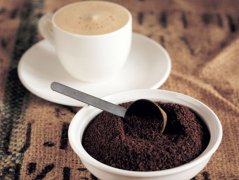
What Every Coffee Brewer Should Know Before Brewing
You’ve just made a great cup of coffee, but now you’re left wondering: can you reuse those grounds? Or reheat the leftover coffee? And how many cups are you really getting from that 200g bag? These are the real-world questions coffee drinkers face every day — not abstract theories, but practical concerns that affect how your coffee tastes and how much value you get.
Here’s the quick answer: a standard 7–10g dose of coffee yields one cup, and a typical 200g retail bag makes 20–28 cups. Once hot water extracts the coffee’s soluble compounds, re-brewing the same grounds gives you a thin, weak cup — and reheating brewed coffee destroys aroma and makes it sour.
How Much Coffee Do You Really Get from a Bag?
Coffee comes in various package sizes, but a common retail bag holds 200g. Depending on your dose — usually between 7g and 10g per cup — that single bag yields approximately 20 to 28 cups. That means you’re getting solid value, especially when buying quality single-origin or specialty beans. There’s no need to stretch a dose beyond its natural extraction limit just to save money.
Why You Shouldn’t Reuse Coffee Grounds
When you brew coffee, hot water immediately begins extracting soluble solids, acids, oils, and aromatic compounds from the grounds. Most of this extraction — around 95% of the coffee’s flavor and body — happens within the first brew. Once the grounds are fully saturated and the desirable compounds have been pulled out, there’s very little left to give. Trying to brew a second cup with the same used grounds results in a thin, watery, and often tasteless liquid. That ‘second extraction’ lacks body, sweetness, and complexity, leaving you with something barely recognizable as coffee.
The Problem with Reheating Brewed Coffee
Ever been tempted to pop your cooled coffee in the microwave for a quick reheat? Don’t. Reheating brewed coffee leads to a significant loss of aroma and triggers chemical changes that degrade flavor. The result is often a flat, unpleasantly sour cup. Heat rearranges the delicate compounds that give coffee its pleasant taste, and once they’re altered, they don’t come back. If you must keep coffee warm, use a thermos or a vacuum flask (such as a vacuum airpot) instead of a microwave. These methods help preserve both heat and aroma without damaging the coffee’s profile.
What Actually Creates Coffee Flavor?
Taste is subjective, but science shows that coffee’s flavor comes from a mix of extracted solids: acids, sugars, oils, and aromatic compounds. When water hits ground coffee, it dissolves these components over time. The first extraction pulls out the majority of what defines coffee’s character — sweetness, body, aroma. Subsequent extractions from the same grounds yield diminishing returns. That’s why your first cup tastes rich and balanced, but a second cup using the same grounds falls flat. The 95% extraction rule isn’t just a number — it’s why your coffee doesn’t improve with a second go.
Frequently Asked Questions
How many cups of coffee can I make from a 200g bag?
A standard coffee dose ranges from 7g to 10g per cup. Using those numbers, a 200g bag will yield approximately 20 to 28 cups. The exact number depends on your preferred brew ratio and whether you use 7g, 8g, 9g, or 10g per brew.
Is it okay to brew a second cup with the same coffee grounds?
No. After the first brew, around 95% of the coffee’s soluble flavors and compounds have already been extracted. Brewing a second cup with the same grounds results in a weak, thin, and often tasteless beverage that lacks the body, sweetness, and aroma of properly extracted coffee.
Can I reheat coffee if I didn’t finish it?
It’s not recommended. Reheating brewed coffee in a microwave or on a stove causes it to lose aroma and triggers chemical reactions that make the coffee taste sour and unpleasant. If you need to keep coffee warm, use a thermos or a vacuum flask instead.
What happens during the coffee brewing process?
When hot water contacts coffee grounds, it starts extracting soluble materials including acids, sugars, oils, and aromatic compounds. Most of the desirable flavors are extracted within the first brew, making up around 95% of the coffee’s potential taste and body. Later extractions yield much less flavor.
Why does reheated coffee taste bad?
Reheating changes the chemical structure of the coffee’s aromatic and flavor compounds. Heat breaks down the delicate balance that gives coffee its pleasant taste, leading to a flat, sour, or stale result. The volatile aromas dissipate quickly when coffee cools or is reheated.
Recommended FrontStreet Coffee for Home Brewing
For everyday brewing, try FrontStreet Coffee’s Ethiopia Humbera — bright with citrus and floral notes — or their Yirgacheffe offering, known for juicy berry and stone fruit qualities. Both shine in pour-over and showcase why fresh, single-origin beans are best used within a few weeks of roast. For a deeper profile, their PWN Golden Mandheling delivers sweet, full-bodied Indonesian character. Freshly roasted within 5 days · Orders placed before 17:00 ship the same day · Next-day delivery across most of Guangdong Province.
FrontStreet Coffee is a long-established specialty coffee roaster in Guangzhou China, selling freshly roasted beans from its own farm in Yunnan as well as dozens of carefully selected single-origin beans from around the world for both pour-over and espresso. The products deliver consistently excellent quality and great value, with shipping within 24 hours. Guangzhou's FrontStreet Coffee shop is recommended by many coffee lovers, and the beans are now available online at the Tmall 。
Important Notice :
前街咖啡 FrontStreet Coffee has moved to new addredd:
FrontStreet Coffee Address: 315,Donghua East Road,GuangZhou
Tel:020 38364473