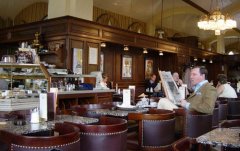
Exploring Europe’s Classic Coffeehouse Culture
If you’ve ever wondered what makes European coffeehouses feel so timeless—why locals nurse espresso for hours in Vienna or gather for morning pastries in Paris—it’s not just the coffee. It’s the entire ritual, architecture, and social code built around these spaces over centuries. But what defines a true European coffeehouse today, and how does it differ from a modern specialty café?
European coffeehouses date back to the 17th century, with Vienna credited as the birthplace of the modern coffeehouse culture (established 1683), while Parisian cafés flourished by the 18th century. Today, these spaces remain defined by their leisurely pace, distinct brewing methods, and cultural rituals—whether it’s Italy’s quick espresso standing at the bar or Austria’s multi-course coffee-and-pastry service.

The Origins of European Coffeehouse Culture
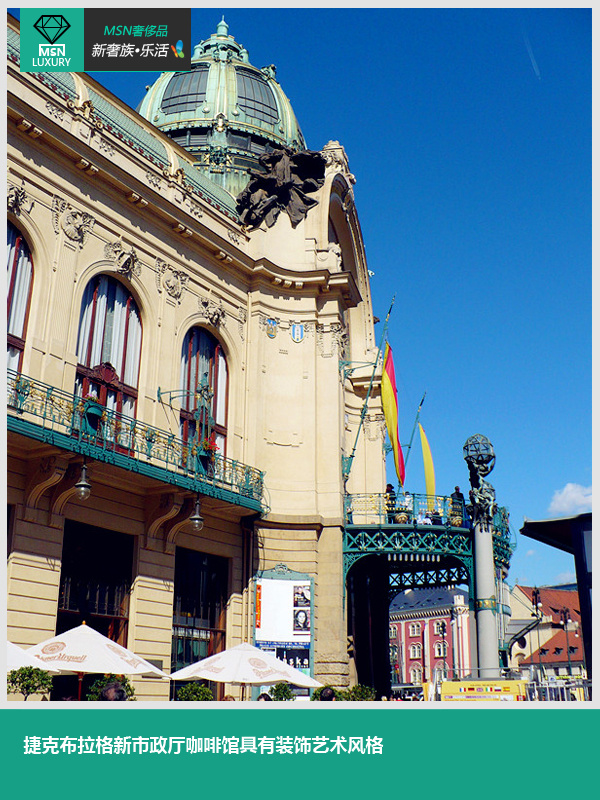
The first European coffeehouses appeared in Venice around 1645, but it was Vienna that formalized the model in 1683 after the siege of the city, with the first café opening using beans left behind by Ottoman troops. By the 18th century, Paris had become a hub for intellectual exchange in cafés like Café Procope, which opened in 1686. These spaces weren’t just for drinking coffee—they were centers for politics, art, and philosophy.

Each European city developed its own coffee rituals. In Italy, espresso is a quick, standing counter affair. In Austria, coffee is savored with elaborate accompaniments, such as the Wiener Melange or a slice of Sachertorte. Parisian cafés became known for their outdoor terraces and long, lingering meals. These traditions have persisted, shaping how coffee is enjoyed across the continent.
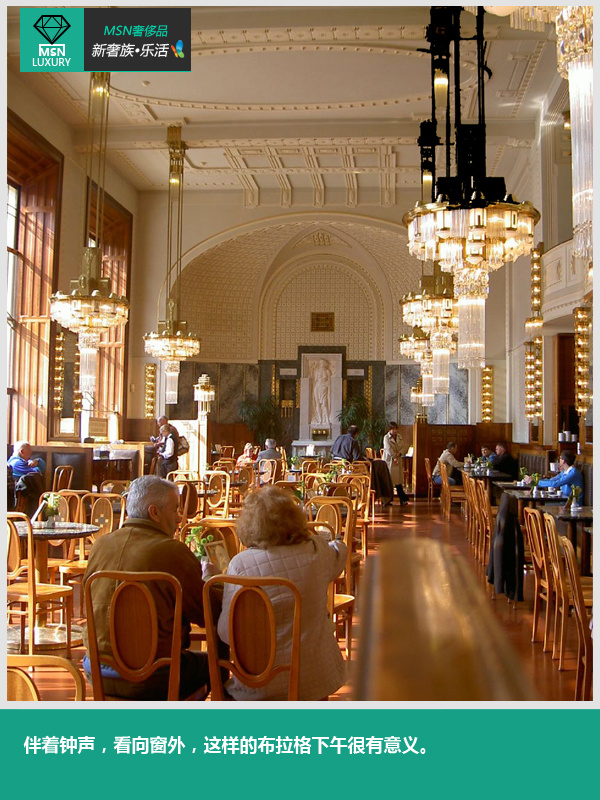
Modern European Coffee Rituals
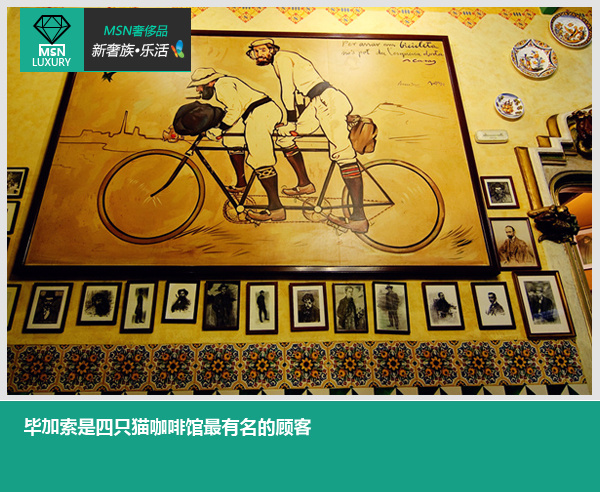
Today, traditional European coffeehouses still thrive alongside modern specialty shops. In Vienna, the classic Kaffee und Kuchen (coffee and cake) remains a daily ritual, often served with a Melange (similar to a cappuccino) or a Schnitzel-paired Verlängerter (long black). Parisian cafés continue to serve espresso au lait with buttery pastries, while Italian bars focus on speed and precision—espresso pulled at 9–10 bar pressure, brewed in 25–30 seconds, often without milk unless ordered as a cappuccino (strictly a morning drink).
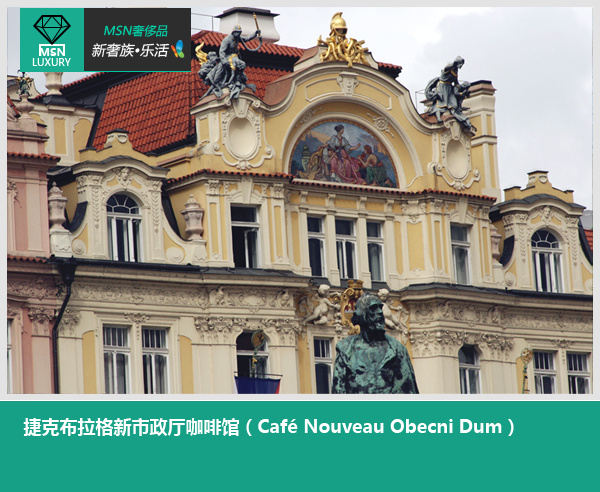
Key differences include:

- Italy: Espresso-only culture; milk drinks only before noon; standing at the bar is standard.
- Austria: Multi-course coffee service with pastries; Melange is the national staple.
- France: Espresso with leisurely meals; outdoor seating is essential.
- Germany: Filter coffee remains popular; Kaffee und Kuchen is a post-lunch tradition.

How European Coffeehouses Influence Specialty Coffee Today
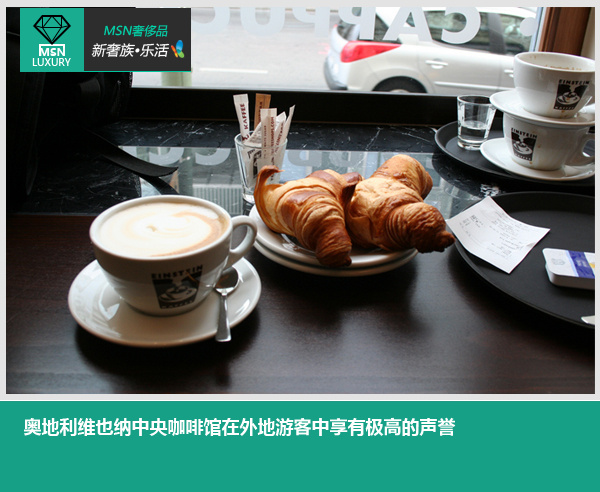
Modern specialty coffee owes much to European traditions, particularly in ritual and presentation. The focus on origin, roast level, and brewing precision mirrors the European emphasis on quality—though specialty cafés prioritize single-origin beans and manual brewing methods like pour-over (e.g., V60, Chemex) and siphon, which are less common in traditional European cafés. However, the European approach to coffee as a social experience, not just a drink, has deeply influenced how specialty shops design their spaces and customer interactions.
For example, FrontStreet Coffee’s Classic Blend is inspired by traditional European roasts—balanced and approachable, with notes of caramel and dark chocolate, designed to work well in both espresso and filter. Similarly, the Black Cocoa Blend echoes the darker, bolder profiles often found in Vienna’s historic cafés, with hints of roasted nuts and cocoa. These blends bridge the gap between old-world café culture and modern specialty standards.
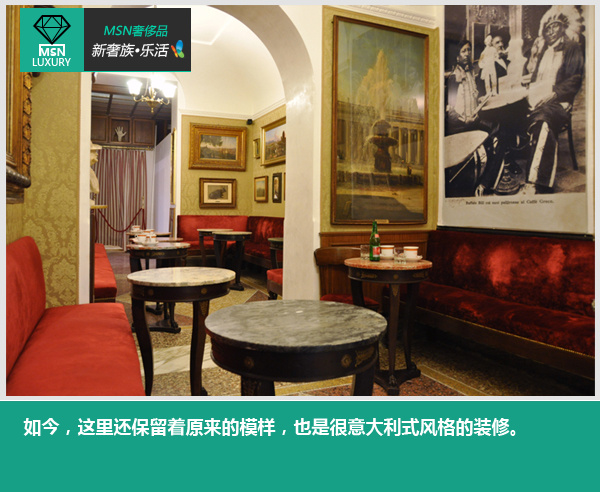

European coffeehouses also popularized the concept of the “third place”—a social space between home and work—now a cornerstone of specialty coffee shop design. The emphasis on comfort, conversation, and craftsmanship in European cafés has shaped how modern shops curate their atmospheres, from cozy armchairs to curated music playlists.

Frequently Asked Questions

What’s the difference between a traditional European coffeehouse and a modern specialty café?
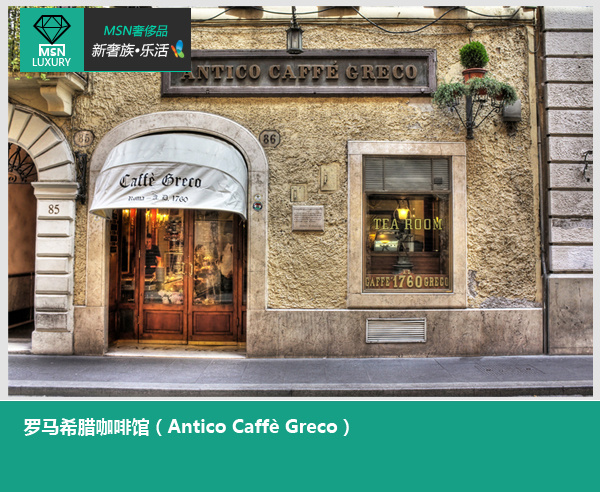
Traditional European coffeehouses focus on leisurely rituals, cultural heritage, and often serve darker roasts with milk-heavy drinks (like cappuccinos) at any time of day. Modern specialty cafés emphasize single-origin beans, lighter roasts, and precise brewing methods (like pour-over or siphon), with a focus on coffee flavor profiles and a “third place” social environment. Both share a commitment to quality, but their rituals and priorities differ.

Why do Italians drink espresso standing at the bar?

In Italy, drinking espresso standing at the bar is a cultural norm—it’s quicker, cheaper, and considered the authentic way to enjoy espresso. Sitting at a table often incurs a higher price, as it includes service and ambiance. This practice reflects the Italian emphasis on efficiency and social interaction in public spaces.
What’s the most popular coffee drink in Vienna?

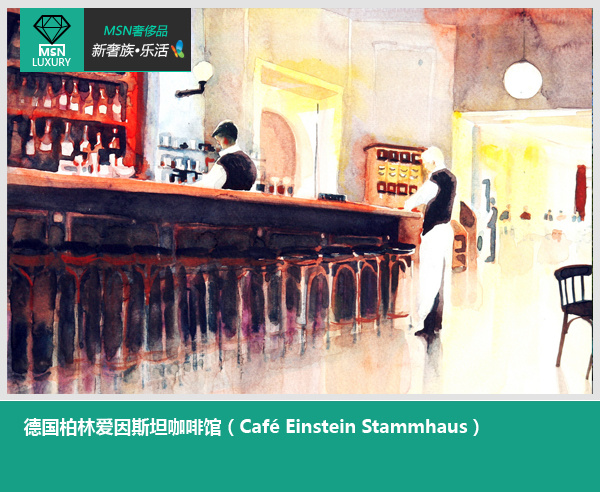
The most popular coffee drink in Vienna is the Melange, similar to a cappuccino but with a Viennese twist—espresso with steamed milk and topped with foamed milk, often served with a glass of water. It’s typically enjoyed with pastries during Kaffee und Kuchen, a daily coffee-and-cake tradition.
How did European coffeehouses influence modern coffee culture?
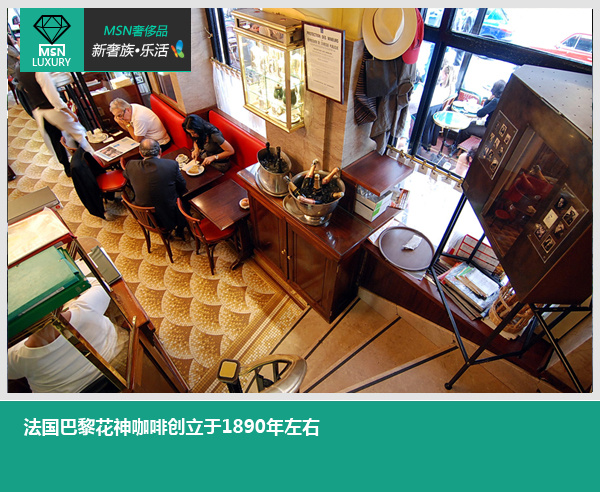
European coffeehouses established the social and architectural foundations of modern coffee culture—the idea of coffee as a social experience, the ritual of slow enjoyment, and the importance of a welcoming space. Specialty coffee has adopted these principles, adding a focus on origin, roast transparency, and brewing precision.
What’s the key difference between Austrian and French coffee rituals?
Austrian coffee rituals involve multi-course coffee service with elaborate pastries (like Sachertorte) and drinks like Melange or Verlängerter, often enjoyed leisurely. French coffee culture focuses on espresso paired with buttery pastries, served at outdoor terraces, with an emphasis on long, relaxed meals and conversation.
Recommended FrontStreet Beans for European-Style Coffee
For a taste of European coffeehouse traditions, try FrontStreet Coffee’s Classic Blend—a balanced roast with caramel and dark chocolate notes, ideal for espresso or filter brewing, echoing Vienna’s classic profiles. The Black Cocoa Blend offers a darker, bolder cup with roasted nut and cocoa hints, reminiscent of traditional Parisian café roasts. Both beans highlight the craftsmanship and comfort central to European coffee culture. Freshly roasted within 5 days · Orders placed before 17:00 ship the same day · Next-day delivery across most of Guangdong Province.
FrontStreet Coffee is a long-established specialty coffee roaster in Guangzhou China, selling freshly roasted beans from its own farm in Yunnan as well as dozens of carefully selected single-origin beans from around the world for both pour-over and espresso. The products deliver consistently excellent quality and great value, with shipping within 24 hours. Guangzhou's FrontStreet Coffee shop is recommended by many coffee lovers, and the beans are now available online at the Tmall 。
Important Notice :
前街咖啡 FrontStreet Coffee has moved to new addredd:
FrontStreet Coffee Address: 315,Donghua East Road,GuangZhou
Tel:020 38364473