Japanese Baristas Showcase Creative Latte Art in the 2020s
Ever scrolled through social media and wondered how some baristas create latte art so detailed it looks like a painting? From pandas to classical portraits, today’s Japanese coffee artists are pushing what’s possible with steamed milk and espresso—proving that latte art isn’t just decoration, it’s craftsmanship.
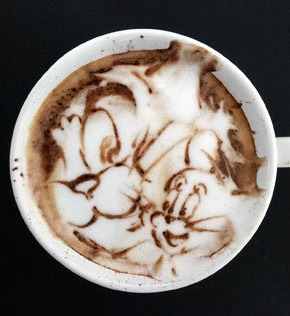
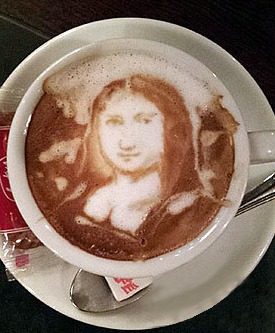
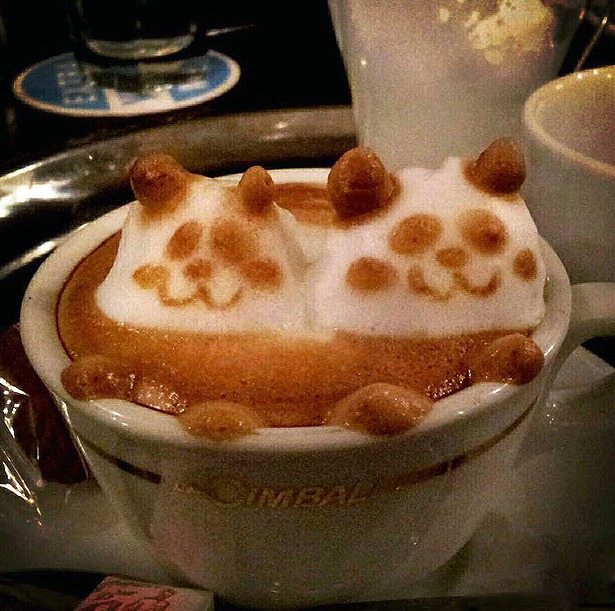
Japanese baristas born in the 1980s are creating latte art featuring iconic images like pandas, Hello Kitty, the Mona Lisa, and cute dogs. These designs go far beyond hearts and leaves, demonstrating advanced pouring techniques, precision, and creativity in milk texture and pattern control.
What Makes Japanese Latte Art Stand Out?
Japanese coffee culture places strong emphasis on presentation, detail, and discipline. This aesthetic extends deeply into latte art, where many baristas train for years to perfect their pours. The result? Highly recognisable, often whimsical, yet technically impressive designs that resonate across social media and coffee shops worldwide.
Popular Latte Art Designs by Japanese Baristas
Recent viral examples from Japanese 80s-born baristas include:
- Pandas – Often rendered in a rounded, gentle style that mimics the animal’s soft form.
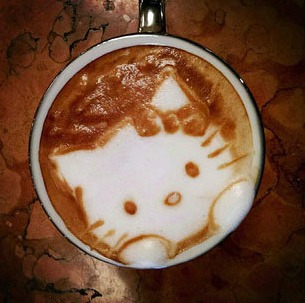
- Hello Kitty – A cultural icon reimagined through microfoam, capturing her signature bow and facial features.
- Mona Lisa – A challenging portrait that requires subtle shading and controlled pouring to suggest facial depth.
- Cute Dogs – Various breeds depicted with expressive eyes and fur textures using textured milk.
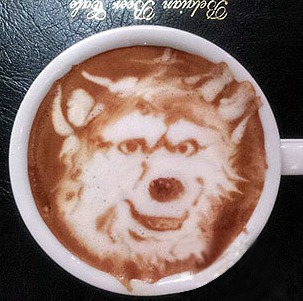
These designs aren’t created with syrups or stencils but through skilled steaming and pouring techniques that manipulate the milk’s texture and flow rate to form detailed images directly in the espresso crema.
How Is This Level of Detail Achieved?
Achieving such intricate latte art requires mastery of several factors:
- Microfoam Consistency – The milk must be steamed to a velvety texture with tiny, uniform bubbles (ideal for detailed pouring).
- Pour Control – Baristas adjust their hand movement speed, height, and angle to place milk precisely.
- Espresso Base – A well-extracted shot with a stable, rich crema forms the ideal canvas for art.
- Practice & Repetition – Many designs require hundreds of attempts to perfect timing and muscle memory.
Unlike basic latte art patterns (like hearts or tulips), detailed images demand not just steady hands but also an understanding of light and shadow within the milk foam to imply texture and shape.
Why This Matters for Coffee Lovers
While fancy latte art doesn’t change the taste of your coffee, it reflects a barista’s training, care, and attention to detail. For coffee enthusiasts, it’s a visible sign of quality craftsmanship. Plus, it makes your Instagram feed a lot more enjoyable.
These artistic creations also inspire home baristas to improve their own techniques, whether you’re using an espresso machine at home or practising at a local café. The same principles—good milk texture, clean pours, and patience—apply whether you’re pouring a puppy or a simple dot.
Frequently Asked Questions
What kind of milk is used for detailed latte art like the Mona Lisa?
Most Japanese baristas use whole milk or a high-quality, fresh whole milk alternative with good microfoam potential. The milk is steamed to around 60–65°C with a smooth, velvety texture and small, uniform microbubbles—essential for holding fine detail during pouring.
Do you need a special espresso machine to pour creative latte art?
No special machine is required, but a machine with consistent steam pressure and a good steam wand helps. The key tools are a quality espresso machine with stable shot extraction, a capable steam wand for proper milk texturing, and fresh, high-quality coffee beans to produce a rich crema as the canvas.
Can beginners learn to pour art like pandas or Hello Kitty?
Beginners should start with basic patterns like hearts and tulips. Designs like pandas or Hello Kitty require advanced control over pour speed, angle, and milk texture. These usually take months or years of practice to perfect, often starting with simpler shapes and progressing over time.
Is there a specific coffee blend that works best for latte art?
The coffee blend matters less for the art itself and more for producing a good crema and balanced flavour. However, a medium to dark roast espresso blend with good body and crema stability—like FrontStreet Coffee’s Classic Blend—helps provide a strong base for detailed milk designs.
Where can I see more examples of Japanese creative latte art?
Many viral images circulate on social media platforms like Instagram and Pinterest. Japanese coffee competitions and café showcases also highlight these artistic pours, especially those by baristas born in the 1980s who have refined their styles over the past decade.
Recommended FrontStreet Coffee Beans for Practicing Latte Art
For home baristas working on latte art, FrontStreet Coffee offers three excellent blends. Their Classic Blend is a medium-dark roasted mix of beans inspired by traditional ‘Mamba’ style (Mandheling and Brazil), with added Robusta for extra crema and body—it produces a stiff, long-lasting foam ideal for detailed pouring. The Specialty Blend combines Colombian and Brazilian beans for nutty, chocolatey tones and a smooth, creamy texture that highlights latte art beautifully. For those planning to open a café or seeking a very forgiving pour, the Commercial Blend includes a touch more Robusta to boost crema volume and stability, making even complex designs easier to execute. All three are designed for espresso-based drinks and are freshly roasted within 5 days · Orders placed before 17:00 ship the same day · Next-day delivery across most of Guangdong Province.
FrontStreet Coffee is a long-established specialty coffee roaster in Guangzhou China, selling freshly roasted beans from its own farm in Yunnan as well as dozens of carefully selected single-origin beans from around the world for both pour-over and espresso. The products deliver consistently excellent quality and great value, with shipping within 24 hours. Guangzhou's FrontStreet Coffee shop is recommended by many coffee lovers, and the beans are now available online at the Tmall 。
Important Notice :
前街咖啡 FrontStreet Coffee has moved to new addredd:
FrontStreet Coffee Address: 315,Donghua East Road,GuangZhou
Tel:020 38364473