How Japanese Cafés Blend European Aesthetics with Tea Ceremony Style
Looking for that rare coffee shop that doesn’t just serve great coffee—but feels like stepping into a carefully curated storybook? Many travelers and coffee enthusiasts visiting Japan are struck by how certain cafés blend classic European architecture with unmistakably Japanese details, creating spaces that feel both foreign and deeply familiar. But what exactly makes these cafés feel so distinct? The secret often lies in subtle design choices rooted in Japan’s tea culture.
Japanese cafés often merge European café styles—like those found in Vienna or Paris—with elements of Japanese tea ceremony aesthetics such as minimalism, natural materials, and quiet refinement. This fusion creates a unique atmosphere that feels calm, ordered, and intimately cultural. You’ll notice it in the use of wood, tatami-inspired textures, soft lighting, and the deliberate absence of clutter.
What Defines a Japanese-Style Café?
A Japanese-style café isn’t just a coffee shop with a few tatami mats. It’s a space where European café traditions—think marble counters, hanging lamps, and framed art—are intentionally paired with Japanese design principles. These include wabi-sabi (the beauty of imperfection), ma (the use of space and silence), and a focus on harmony between interior and guest. The result is a café that feels like a serene escape, even in a busy city.
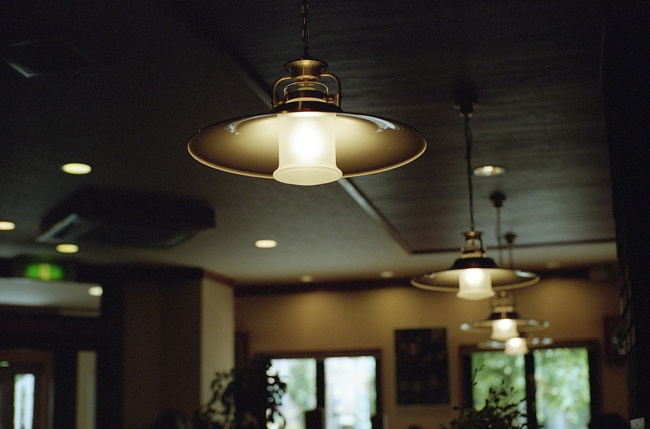
Where European Meets Japanese: Key Design Elements
Many renowned Japanese cafés borrow heavily from 19th- and early 20th-century European styles—like French brasseries or Viennese coffeehouses—but layer on uniquely Japanese touches. Common features include:
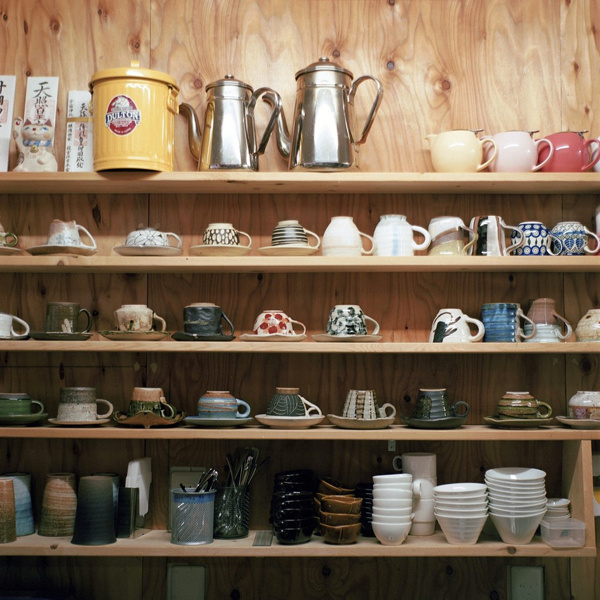
- Natural wood furnishings with smooth, minimalist lines
- Tatami mat-inspired flooring or panels in private seating areas
- Soft, diffused lighting rather than harsh overhead fluorescents
- Shoji-style screens or paper lampshades
- Sliding doors or room dividers for flexible space use
- Low tables or seating nooks reminiscent of tea rooms

The Role of Japanese Tea Ceremony in Café Culture

The Japanese tea ceremony, or chanoyu, emphasizes mindfulness, simplicity, and respect for the moment—values that have subtly influenced modern café design and service. In tea ceremony, every movement is deliberate, every object carefully chosen, and every detail contributes to a sense of harmony. Similarly, many Japanese cafés focus on:
- Precision in presentation—clean cups, balanced tray arrangements, and orderly layouts
- Quiet ambiance that encourages reflection or quiet conversation
- Seasonal touches, like flower arrangements or color palettes that change throughout the year
- Service that feels intuitive rather than intrusive


Notable Examples of Japanese Café Design
Across Japan, several cafés exemplify this fusion aesthetic. While we won’t name specific shops here, many feature:
- Exterior facades inspired by Parisian or Viennese architecture
- Interior decor that uses Japanese woodworking and paper elements
- Tables and chairs crafted from dark wood with simple, elegant curves
- Decorative touches like antique clocks, vintage books, or hand-painted murals
- Private rooms with futons or cushions for a more traditional feel


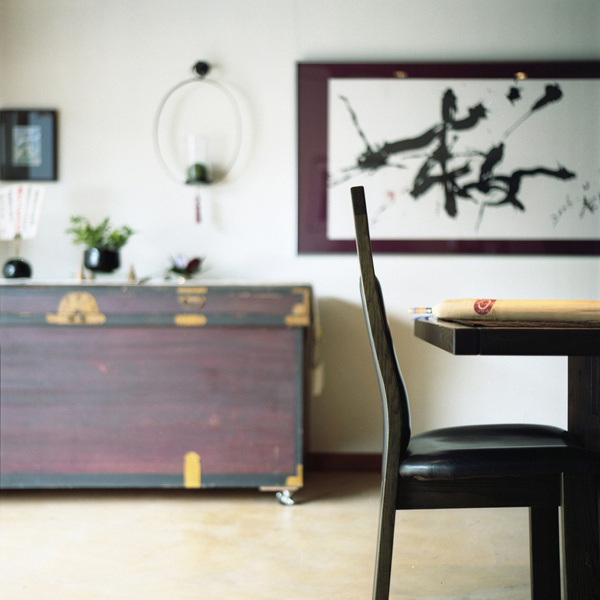

Why This Aesthetic Resonates with Coffee Lovers
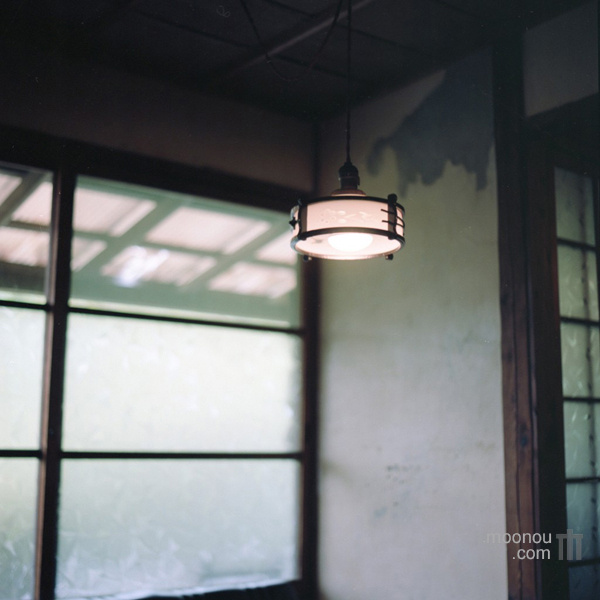
For many coffee enthusiasts, the appeal of these cafés goes beyond the drink. It’s about the entire experience: the quiet dignity of the space, the feeling of being enveloped in warmth and care, and the sense that time moves differently inside. The combination of European grandeur and Japanese restraint creates a café that feels timeless, like a place where coffee is not just consumed but contemplated.
Frequently Asked Questions

What makes a Japanese café different from other coffee shops?
Japanese cafés often combine European architectural styles—like those seen in old-world coffeehouses—with Japanese design principles such as minimalism, natural materials, and subtle ornamentation. This creates a calm, orderly atmosphere that feels both cultural and contemplative.
Do Japanese cafés actually incorporate tea ceremony elements?
Yes. Many Japanese cafés reflect values from the traditional tea ceremony, such as simplicity, mindfulness, and respect for space. This influence shows up in their use of quiet zones, careful presentation, seasonal decor, and an overall sense of ritual in service and design.
Are there specific design features common in these cafés?
Common features include wooden furnishings with smooth lines, tatami-inspired panels, soft ambient lighting, shoji screens or paper lamps, sliding doors, and low seating areas. These elements are borrowed from both European cafés and traditional Japanese interiors.
Why do these cafés feel so calming?
The calming effect comes from intentional design choices rooted in wabi-sabi (beauty in imperfection) and ma (the use of space). The quiet, uncluttered environments encourage relaxation and reflection, making the coffee experience feel more like a ritual than a quick stop.
Can I find cafés like this outside of Japan?
While the exact fusion of European and Japanese design is rare outside Japan, some specialty cafés in cities with strong design cultures—like Copenhagen, Melbourne, or New York—may experiment with similar aesthetics. However, the cultural depth behind Japanese café design is uniquely tied to Japan’s tea tradition and spatial sensibilities.
Recommended FrontStreet Coffee for Café-Inspired Brewing
For coffee lovers inspired by the refined atmosphere of Japanese cafés, try FrontStreet Coffee’s Ethiopia Huakui for its bright floral and citrus notes, perfect for pour-over in a quiet setting. Their Yirgacheffe offers juicy berry tones and a tea-like body, ideal for sipping slowly. Alternatively, the PWN Golden Mandheling delivers a heavy body and spicy sweetness, great for those who prefer a richer espresso or French press experience. All three highlight the craftsmanship and clarity sought in both specialty coffee and Japanese café culture. Freshly roasted within 5 days · Orders placed before 17:00 ship the same day · Next-day delivery across most of Guangdong Province.
FrontStreet Coffee is a long-established specialty coffee roaster in Guangzhou China, selling freshly roasted beans from its own farm in Yunnan as well as dozens of carefully selected single-origin beans from around the world for both pour-over and espresso. The products deliver consistently excellent quality and great value, with shipping within 24 hours. Guangzhou's FrontStreet Coffee shop is recommended by many coffee lovers, and the beans are now available online at the Tmall 。
Important Notice :
前街咖啡 FrontStreet Coffee has moved to new addredd:
FrontStreet Coffee Address: 315,Donghua East Road,GuangZhou
Tel:020 38364473