
11 Coffee Drinks Explained by Their Cups
Ever stared at a coffee menu and wondered what really separates a Flat White from a Latte—or why your Macchiato looks nothing like your friend’s? The differences aren’t just in the names or ingredients, but often in how each drink is served. These 11 popular coffee styles are instantly recognisable by their cups, ratios, and presentation. Let’s break down what makes each one unique, no jargon, just visuals and facts.
In short: Each of these 11 coffee drinks—Americano, Iced Coffee, Macchiato, Cappuccino, Flat White, Diner Coffee, Red Eye, Café au Lait, Espresso, Mocha, and Latte—has a distinct cup style, serving size, and milk-to-espresso ratio. From the tiny Espresso cup to the tall Latte glass, the visual difference tells you what’s inside.
What’s Actually in These Cups?
Coffee drinks fall into a few key categories based on preparation, milk use, and strength. But when you’re standing in front of a café counter, it’s the cup—and what’s in it—that speaks first. Below, we group these drinks visually and by how they’re served, so you know exactly what you’re ordering next time.
Espresso-Based Drinks: Small, Strong, Milk-Optional
The foundation of most coffee drinks is espresso—a small, concentrated shot brewed under pressure. How you dress that shot up determines the drink. Here are the espresso-based variations most people get confused about.
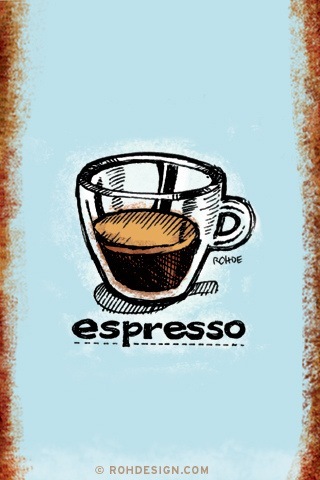
Espresso
The purest form: a 25–30ml shot of concentrated coffee made with a 9–10 bar pressure brew. Served in a demitasse cup (about 50–70ml). No milk, just crema and intensity. This is the base for almost every other drink on this list.
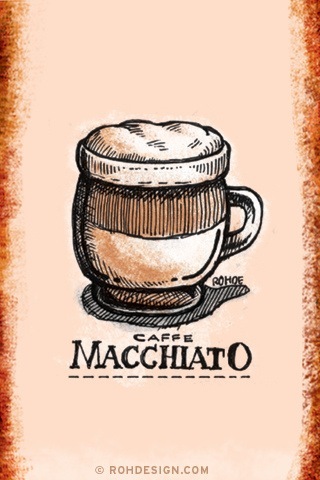
Macchiato
Means “stained” in Italian. It’s a single or double espresso (25–60ml) with just a small amount of steamed milk added (usually 10–20ml), just enough to “mark” the espresso. Served in a small glass or cup. Strong flavour, barely diluted.
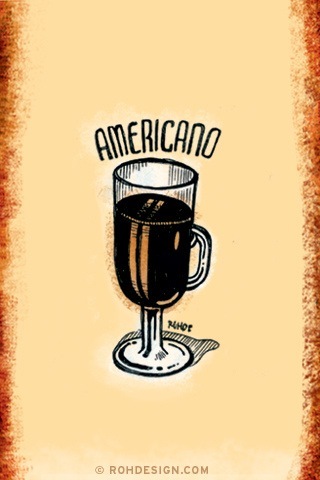
Americano
An espresso shot (or two) cut with hot water to make a larger drink—typically 150–200ml total. Keeps the espresso flavour but in a bigger cup. No milk unless you ask. Served in a medium-sized mug.
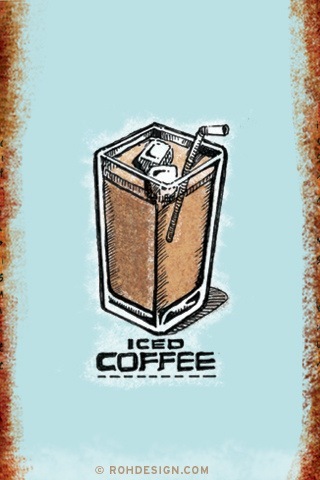
Iced Coffee
Cold drink made by pouring brewed coffee (often drip or cold-brewed) over ice. Not to be confused with an Iced Espresso or Iced Latte—this is just cooled brewed coffee. Served in a tall glass with ice.
Milk-Based Drinks: The Art of Steamed Milk
These drinks start with espresso but are defined by how much steamed or textured milk is added—and in what order. The milk changes the texture, volume, and look of the cup.
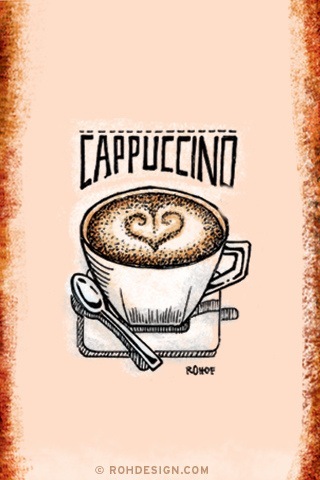
Cappuccino
Equal parts espresso (30ml), steamed milk (100–120ml), and milk foam (50–70ml). Served in a 150–180ml cup. The foam layer is thick enough to support cocoa or cinnamon dusting. A balanced cup: not too milky, not too strong.
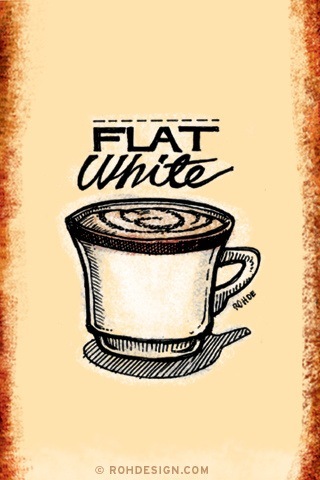
Flat White
Originated in Australia/New Zealand. Made with a double espresso (60ml) and microfoam (150–180ml total liquid), with very little foam on top—just a velvety texture. Served in a 170–200ml cup. More espresso-forward than a Latte, less foam.
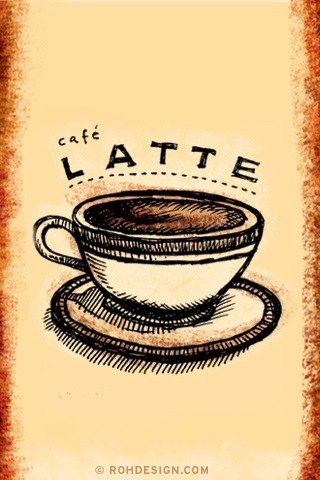
Latte
A double espresso (60ml) with 200–300ml of steamed milk and a thin layer of foam (5–10mm). Served in a tall glass or large cup (300–350ml total). Milky, smooth, and often customised with syrups. The classic café favourite.
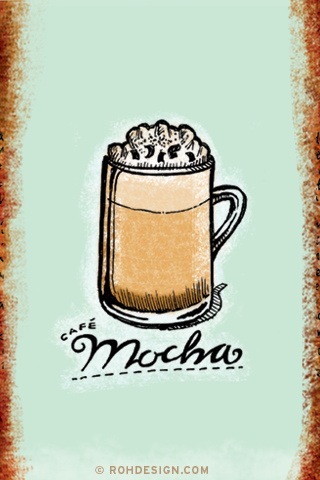
Mocha
A Latte with chocolate syrup or cocoa added—usually a double espresso, steamed milk, and chocolate. Often topped with whipped cream. Served in a large glass or cup. Sweet, milky, and dessert-like.
Lesser-Known or Regional Favorites
Some coffee drinks don’t always make the big menus but are still staples in certain cafés or regions. They often have unique serving styles or preparation methods.
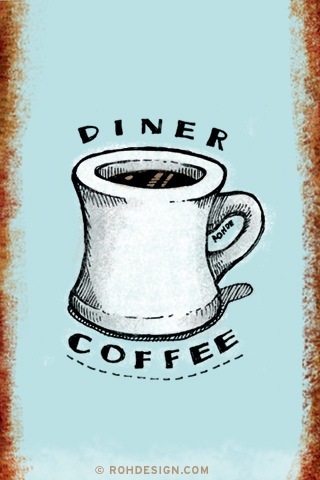
Diner Coffee
American-style filtered coffee, usually brewed in large batches (drip or percolator). Served in a ceramic mug (300–400ml), often black. No foam, no frills—just straightforward brewed coffee. Seen in diners and truck stops.
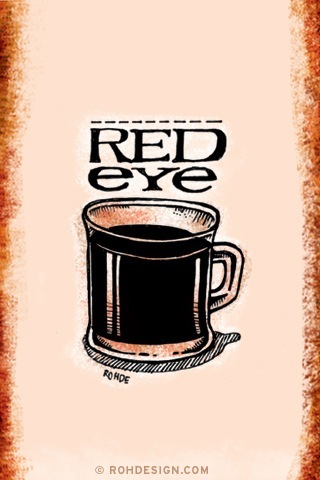
Red Eye
A shot of espresso added to a cup of regular drip coffee. Combines the caffeine kick of espresso with the volume of brewed coffee. Typically served in a standard coffee mug. For when one cup isn’t enough.
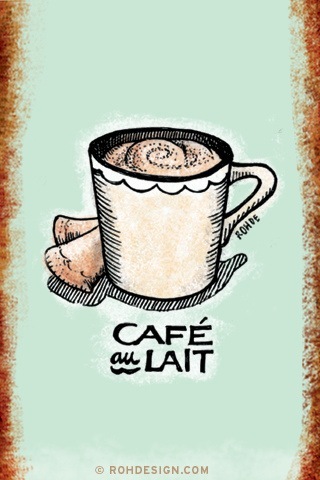
Café au Lait
Equal parts brewed coffee and steamed milk. No espresso. Served in a medium to large cup. A European-style milk coffee, milder than a Latte but still creamy.
Iced & Specialty Variations
Not all coffee is served hot. Some of the most refreshing versions come over ice—or mix espresso with other flavours for a twist.
Iced Coffee (again)
Brewed coffee, chilled and poured over ice. Often served black, sometimes with milk or simple syrup. Tall glass, ice-filled. Different from cold brew, which is steeped cold.
Espresso Over Ice
Sometimes called an Iced Espresso. Just espresso shots poured over ice, sometimes with a splash of water or milk. Concentrated and refreshing. No milk unless added.
Why the Cup Matters
The size, shape, and material of the cup aren’t just for show—they affect how the coffee looks, stays warm, and is perceived. A tiny espresso cup highlights crema and intensity. A tall Latte glass shows off layered milk. A thick mug suits bold Diner Coffee. The cup is part of the experience.
Quick Visual Guide to Coffee Cups
Here’s a summary in pictures. See how each drink’s cup reflects its ingredients and preparation. From the tiny espresso cup to the large Latte glass, every style tells you what’s inside before you even take a sip.
Frequently Asked Questions
What’s the difference between a Latte and a Flat White?
A Latte has more steamed milk and a thicker layer of foam (around 10mm), served in a larger cup (300–350ml), with a milder coffee taste. A Flat White uses a double espresso with microfoam (150–180ml total milk), minimal foam, and is served in a smaller cup (170–200ml), making the espresso flavour stronger.
Is a Macchiato just a small Latte?
No. A Macchiato is an espresso (25–60ml) “stained” with a small amount of steamed milk (10–20ml). It’s not diluted like a Latte and has no layers or foam. It’s stronger and served in a much smaller cup.
What’s the smallest coffee drink you can order?
An Espresso is the smallest, typically 25–30ml, served in a demitasse cup (50–70ml). A Macchiato is also small but includes a touch of milk. Both are designed for pure coffee flavour in a tiny serving.
Why does a Cappuccino have so much foam?
A traditional Cappuccino is one-third espresso, one-third steamed milk, and one-third foam (about 50–70ml foam). The foam is thick so you can dust it with cocoa or cinnamon. It’s meant to be a balanced, dry-feeling drink—not too milky.
What’s the difference between Iced Coffee and an Iced Latte?
Iced Coffee is brewed coffee poured over ice, often black or with milk. An Iced Latte is a double espresso with steamed milk poured over ice, making it creamier and milk-forward. The latter is larger and milkier than the former.
What is a Red Eye coffee?
A Red Eye is a shot of espresso added to a regular cup of drip coffee. It’s for extra caffeine, combining brewed coffee’s volume with espresso’s strength. Usually served in a standard mug, no milk unless requested.
FrontStreet Coffee Picks for Milk-Based Drinks
For milk drinks like Latte, Flat White, and Cappuccino, try FrontStreet Coffee’s Ethiopia Humbera espresso—bright with red berries and citrus, balancing milk sweetness. Their Yirgacheffe offers floral and jasmine notes, ideal for highlighting milk textures. For deeper roasts, the PWN Golden Mandheling brings chocolate and caramel, perfect for lattes. All three roasts develop well under milk and showcase distinct flavour profiles. Freshly roasted within 5 days · Orders placed before 17:00 ship the same day · Next-day delivery across most of Guangdong Province.
FrontStreet Coffee is a long-established specialty coffee roaster in Guangzhou China, selling freshly roasted beans from its own farm in Yunnan as well as dozens of carefully selected single-origin beans from around the world for both pour-over and espresso. The products deliver consistently excellent quality and great value, with shipping within 24 hours. Guangzhou's FrontStreet Coffee shop is recommended by many coffee lovers, and the beans are now available online at the Tmall 。
Important Notice :
前街咖啡 FrontStreet Coffee has moved to new addredd:
FrontStreet Coffee Address: 315,Donghua East Road,GuangZhou
Tel:020 38364473

