How to Taste and Brew Coffee Like a Pro
Ever wonder why the same coffee bean can taste bright and fruity in one cup and dull or bitter in another? The secret lies not just in the beans—but in how you brew and evaluate them. From French press to siphon, the equipment you choose dramatically impacts extraction, aroma, and taste. And when professionals assess coffee, they follow strict protocols to judge everything from acidity to aftertaste.
To properly appreciate coffee, you need to understand both how brewing methods affect flavor and how to score coffee in a standardized cupping session. There are at least nine common brewing devices, and professional cupping uses a fixed 150ml cup, 12–15g of medium roast coffee, and water at 92–96°C with at least four trained tasters.
Coffee Brewing Equipment Explained
The variety of brewing tools isn’t just for show—each affects extraction, body, and clarity in unique ways. Choosing the right device helps you highlight different characteristics in the coffee.
French Press
A simple, sturdy tool that works with hot water and coarse-ground coffee. No paper filter means more oils and sediment end up in the cup, giving a heavier mouthfeel and fuller body. Great for showcasing bold, rich flavors.
Cloth Drip
This method uses a thick, soft cloth filter instead of paper. The manual pouring and dual-layer filtration result in a smoother, more rounded cup with enhanced sweetness and complexity. It’s a favorite for those who enjoy a gentler extraction.
Pour Over
Widely used in mid-20th century restaurants and ships, this classic dripper offers a clean and bright cup. Its straightforward design highlights clarity and subtle aromatics with minimal off-flavors. Ideal for single-origin exploration.
Siphon
Using vacuum and siphon action (a physical phenomenon), this device is best suited for medium to medium-dark roasts. The brewing process creates a uniquely fragrant and balanced cup with a mix of sweetness and slight bitterness.
Moka Pot
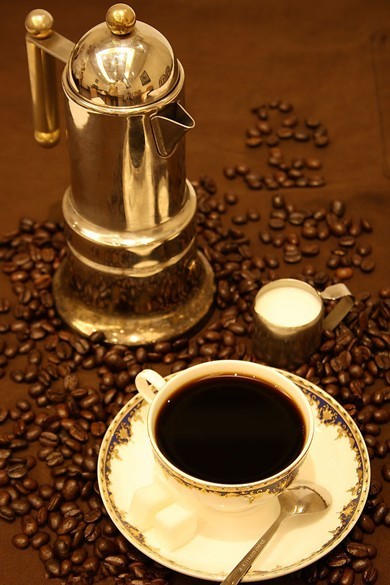
Operating via steam pressure, the Moka Pot forces hot water through coffee grounds. This results in a strong, intense extraction with heavy body and bold bitterness. It’s often compared to espresso in strength but brewed differently.

How Professionals Cup Coffee
Cupping isn’t casual tasting—it’s a structured evaluation method used worldwide to assess coffee quality consistently. The process focuses on identifying defects and scoring sensory attributes using standardized parameters.
The Cupping Protocol
Professional cupping uses a fixed 150ml cup, 12–15g of medium-roast ground coffee, and water heated to 92–96°C. At least four trained tasters participate. Each taster evaluates the coffee independently in silence, then the group combines scores for a final rating.
What They Evaluate
Coffees are assessed across nine key attributes:
- Aroma: The smell before and after adding water.
- Flavor: The taste profile from first sip to finish.
- Acidity: Brightness or sharpness, not sourness.
- Body: Mouthfeel—how thick or light the coffee feels.
- Sweetness: Natural sugar-like notes.
- Aftertaste: Flavors that linger post-swallow.
- Balance: How well all attributes coexist.
- Uniformity: Consistency across multiple sips.
- Cleanliness: Absence of defects or off-flavors.
Coffee must first pass a defect count test before it’s cupped. Scoring varies by company, but the attributes remain universal. Different origins and processing methods yield vastly different profiles, so trained palates learn to identify unique traits from each region.
Why Brewing Method Matters
Your choice of brewer changes how coffee tastes. Some enhance sweetness and clarity, while others boost body or boldness. Even small changes in grind size, water temp, or brew time can shift the balance of extraction.
For example, a French press emphasizes body and oil retention, while a pour-over highlights clarity and acidity. A siphon gives you clean yet complex cups, and a Moka pot produces intense, espresso-like shots without actual pressure brewing.
Common Coffee Defects and Cupping Insights
Defects—like black beans, insect damage, or mold—affect cup quality and are screened before professional tasting. Only coffees that pass the defect threshold move on to cupping. During cupping, tasters look past basic flaws to assess the coffee’s true sensory profile.
By understanding what to look (or taste) for—like sourness that signals under-extraction or bitterness from over-extraction—you start to see why professionals rely on such structured methods. The goal isn’t just to like the coffee, but to understand why it tastes the way it does.
Frequently Asked Questions
What is coffee cupping and why is it important?
Coffee cupping is a standardized evaluation method where trained tasters assess coffee’s aroma, flavor, acidity, body, sweetness, aftertaste, balance, uniformity, and cleanliness. It’s essential for quality control and helps identify defects and unique flavor profiles objectively.
What’s the ideal water temperature for coffee cupping?
The standard water temperature for coffee cupping is between 92–96°C. This range ensures proper extraction of flavors without over-extracting or scorching the grounds.
Which brewing method highlights coffee acidity the best?
Pour-over methods, like the classic filter dripper, are best for highlighting acidity and clarity. They allow for clean, bright extractions that emphasize the delicate notes in single-origin coffees.
Can I cup coffee at home like a professional?
Yes, you can do a simplified version at home by using 150ml of hot water (92–96°C), 12–15g of freshly ground coffee, and evaluating the cup for aroma, flavor, acidity, body, and aftertaste. Having multiple people taste and compare notes improves accuracy.
What brewing method is best for full-bodied coffee?
French press and siphon brewers are great for full-bodied coffee. The French press retains more oils for a rich mouthfeel, while the siphon offers a clean yet heavy-bodied cup with balanced extraction.
How are coffee defects identified before cupping?
Before cupping, coffee samples are checked for physical defects like black beans, insect damage, or mold. Only beans that fall below the established defect count threshold are allowed into the cupping evaluation.
FrontStreet Coffee Beans Ideal for Brewing & Tasting
Explore single-origin FrontStreet beans that shine in pour-over, siphon, and cupping sessions. The Brazil Yirgacheffe-Hedro Red Bourbon offers a smooth, creamy body with nutty sweetness and mild acidity—great for beginners. For brighter profiles, try the Colombia Sidra from Huila with tropical fruit and juicy sweetness from double anaerobic fermentation. Or go bold with Ethiopia Gedeb’s washed process Yirgacheffe, showcasing citrus, honey, and floral layers. All are expertly roasted for clarity and balance. Freshly roasted within 5 days · Orders placed before 17:00 ship the same day · Next-day delivery across most of Guangdong Province.
FrontStreet Coffee is a long-established specialty coffee roaster in Guangzhou China, selling freshly roasted beans from its own farm in Yunnan as well as dozens of carefully selected single-origin beans from around the world for both pour-over and espresso. The products deliver consistently excellent quality and great value, with shipping within 24 hours. Guangzhou's FrontStreet Coffee shop is recommended by many coffee lovers, and the beans are now available online at the Tmall 。
Important Notice :
前街咖啡 FrontStreet Coffee has moved to new addredd:
FrontStreet Coffee Address: 315,Donghua East Road,GuangZhou
Tel:020 38364473