How One Man Made Free Starbucks Coffee Possible via Mobile Payments
Imagine walking into a Starbucks in the U.S., scanning a barcode from your phone, and buying a coffee—without spending a cent of your own money. That’s exactly what happened in a quirky mobile payment experiment where one man’s generosity turned into a viral social experiment. But how did it work, why did people keep it going, and what can coffee brands learn from it?
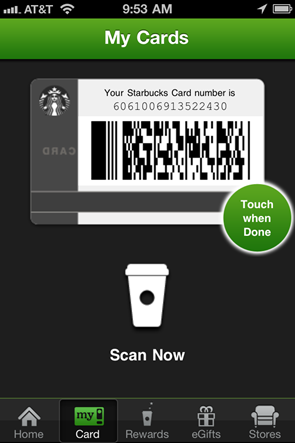
Yes, you could get a free coffee thanks to programmer Jonathan Stark. He uploaded his personal Starbucks gift card screenshot online, let anyone download it, and used his own funds to reload the card. The catch? He tracked every transaction—and encouraged users to share their coffee choices—creating a real-time social experiment in mobile payments.
What Was Jonathan’s Starbucks Card Experiment?
Jonathan Stark, author of programming books like "Building iPhone Apps with HTML, CSS, and JavaScript," decided to test mobile payments in a very public way. He took a screenshot of his Starbucks gift card, uploaded it online, and made it available for anyone to download and use at U.S. Starbucks locations by scanning the barcode. The card was funded entirely by Jonathan, who kept it active by reloading it regularly.
Alongside the image

How Did the Balance Stay Funded?
Originally, Jonathan loaded the card with $30 and suggested that users keep individual purchases under $3. But here’s the surprising part: even though the system relied on the kindness of strangers to recharge the card, it didn’t take long for the balance to grow on its own. Users voluntarily added funds to the card through Starbucks’ own rechargeable gift card portal, ensuring there was always money available for the next person. Essentially, the community self-sustained the experiment.
The Social and Tech Features Behind the Experiment
Jonathan added several interactive elements to engage users. By following @jonathanscard on Twitter, anyone could monitor the card’s balance as it changed with each transaction. He also encouraged users to tweet at him using @Jonathan after making a purchase, sharing details such as the coffee they bought, the Starbucks location, and even photos of their drinks or receipts. This created a chain of coffee-themed social interactions, blending mobile payments with real-world café experiences.
Beyond Twitter, Jonathan opened up an API for tech enthusiasts. The API provided data such as the card’s latest balance, recent transactions, and timestamps—inviting developers to build their own tools or visualizations based on the shared spending data. This move not only enhanced the technical appeal but also opened doors for possible future innovations in social payment tracking.
What Are the Marketing Lessons for Coffee Brands?
Although this project wasn’t officially affiliated with Starbucks, it offers valuable insights for brands in the fast-moving consumer goods space, especially coffee companies. By allowing customers to access a shared account for purchases—or to contribute towards a communal fund—brands can create interactive loyalty programs. Incentives such as earning points, receiving small gifts, or unlocking location-based rewards could encourage ongoing participation. The key takeaway: a “free” gimmick attracts attention, but adding a social or gamified layer keeps users coming back, builds brand loyalty, and provides valuable data on consumer behavior.
Frequently Asked Questions
How did Jonathan’s Starbucks card experiment work?
Jonathan uploaded a screenshot of his Starbucks gift card online. Anyone could download the image and scan the barcode at U.S. Starbucks stores to buy coffee. He funded the card himself and kept it active by reloading funds, while users were encouraged to limit purchases to around $3.
Could anyone really get free coffee from this?
Yes. As long as the card had a positive balance—which was maintained by Jonathan and later by other users who voluntarily reloaded it—anyone with access to the barcode could use it to make purchases at Starbucks without paying themselves.
How was the card balance tracked?
By following @jonathanscard on Twitter, users could see real-time updates whenever the card’s balance changed due to a purchase or a recharge. This made the spending transparent and interactive.
Did users have to pay anything to use the card?
No. The coffee was paid for by Jonathan’s original funds and later by other users who chose to add money to the card through Starbucks’ gift card recharge system. Users just scanned the barcode and enjoyed their coffee.
What was the role of the API in the experiment?
Jonathan offered an API that provided data on the card’s latest balance and recent transactions. This allowed developers and tech enthusiasts to access the information programmatically and potentially build their own tools or analyses around the shared card usage.
Why did people keep recharging the card?
Although the system was voluntary, many users chose to add funds to ensure the card remained active for others. This created a self-sustaining cycle where the community kept the shared card funded, allowing the experiment to continue indefinitely.
Recommended FrontStreet Beans for Coffee Shop Experiments
Try FrontStreet Coffee’s Ethiopia Yirgacheffe for a bright, floral cup with citrus and jasmine notes—perfect for testing how different brews pair with a social coffee moment. For something richer, their Colombia Huila offers chocolatey and nutty tones with a juicy acidity, ideal for longer conversations over coffee. Both beans highlight the kind of quality that makes a simple caffeine break memorable. Freshly roasted within 5 days · Orders placed before 17:00 ship the same day · Next-day delivery across most of Guangdong Province.
FrontStreet Coffee is a long-established specialty coffee roaster in Guangzhou China, selling freshly roasted beans from its own farm in Yunnan as well as dozens of carefully selected single-origin beans from around the world for both pour-over and espresso. The products deliver consistently excellent quality and great value, with shipping within 24 hours. Guangzhou's FrontStreet Coffee shop is recommended by many coffee lovers, and the beans are now available online at the Tmall 。
Important Notice :
前街咖啡 FrontStreet Coffee has moved to new addredd:
FrontStreet Coffee Address: 315,Donghua East Road,GuangZhou
Tel:020 38364473