
How to Brew a Great Cup of Coffee Using the Golden Cup Standard
If you’ve ever made coffee that tasted weak, bitter, or just ‘off,’ you’re not alone. Even with great beans, small variables in brewing can ruin the cup. So how do you consistently brew a balanced, flavorful coffee? The answer lies in controlling just two factors: how much coffee you use and how you extract it.
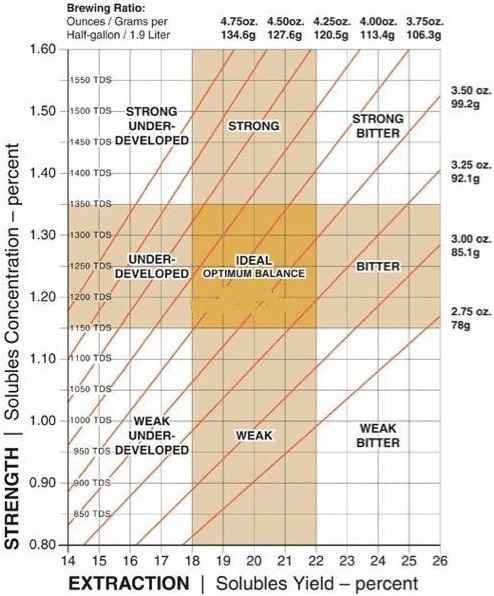
The quick answer? For the best-tasting coffee, use 60 grams of coffee grounds with 1000 milliliters (1 liter) of water heated to 92°C, at a brew ratio of 1:16.67. This hits the Specialty Coffee Association’s golden cup target: around 20% extraction and 1.3–1.45% coffee concentration.
What Is the Golden Cup Standard?
The Specialty Coffee Association (SCA) defines a ‘golden cup’ as coffee that achieves roughly 20% extraction of the soluble material from the coffee grounds, with a final brewed concentration between 1.3% and 1.45%. These numbers represent the sweet spot where coffee flavor is neither underdeveloped nor overly intense. Outside this range, coffee tends to taste weak, sour, bitter, or unpleasantly harsh.
Why Extraction and Concentration Matter
Each coffee bean holds roughly 30% of its mass in water-soluble compounds. However, not all of those compounds taste good—some are bitter or astringent. The goal is to dissolve around 20% of the bean’s mass into your brew. That extracted portion should include the desirable acids, sugars, and aromatics, while avoiding over-extraction of harsher elements. At the same time, the concentration of those dissolved solids in your cup—how strong the coffee tastes—should fall between 1.0% and 1.5%. Below 1.0%, coffee lacks body and sweetness; above 1.5%, it becomes overpowering and masks subtle flavors.
The Ideal Coffee-to-Water Ratio
For filtered or pour-over style brewing, the SCA’s golden cup parameters specify using 1000 milliliters (1 liter) of water at 92°C with 60 grams of coffee. That translates to a brew ratio of approximately 1:16.67 (60g coffee to 1000ml water). This ratio sits right in the center of the optimal extraction and concentration range, making it a reliable starting point for most coffee drinkers.
How Grind Size Affects Your Brew
Different brewing methods require different grind sizes to control extraction time and surface area exposure. Here’s how fine or coarse your coffee should be, depending on your brew method:
- French Press: Grind to about 100–300 particles per bean, roughly 0.7mm diameter—similar to coarse sea salt or No. 2 superfine sugar.
- Pour Over (e.g., V60, Kalita Wave): Aim for 500–800 particles per bean, ~0.5mm, like coffee companion sugar.
- Siphon (Vacuum Pot / ): Use a very fine grind of 1000–3000 particles per bean, ~0.35mm—close to table salt.
- Espresso: Grind extremely fine at 3500 particles per bean, ~0.05mm, just slightly coarser than flour.
- SCAA Cupping Standard: 70–75% of particles should pass through a 0.85mm sieve, slightly coarser than French press.
Brew Time by Method
The time your coffee grounds are in contact with water directly affects extraction. Here are typical brew durations for common methods:
- French Press: Steep for about 5 minutes due to the coarse grind.
- Pour Over: Total brew time is around 3 minutes.
- Siphon: Contact time is short—about 1 minute.
- Espresso: Extract 30 milliliters in roughly 30 seconds under high pressure.
How Much Coffee Should You Use?
Understanding coffee weight helps you measure accurately:
- Approximately 6–7 coffee beans make up 1 gram.
- A standard coffee scoop or spoon holds about 10 grams.
- A common beginner-friendly brew ratio is 1:16 — for example, 10 grams of coffee to 160 grams (milliliters) of water.
Other Variables That Impact Your Brew
Beyond grind size, dose, and brew time, many other factors influence the final cup:
- Water quality and temperature (SCAA recommends 92°C)
- Brewing device and filter medium
- Coffee bean freshness and roast level
- Total brew water volume
- Agitation or pouring technique
Because so many elements affect extraction, minimizing variation and controlling what you can leads to more consistent results. Mastering your equipment and adjusting variables to taste lets you fine-tune your coffee experience.
Frequently Asked Questions
What is the golden cup standard in coffee brewing?
The golden cup standard, defined by the Specialty Coffee Association (SCA), is a set of guidelines aiming for 20% extraction of soluble coffee material and a brewed coffee concentration between 1.3% and 1.45%. These values are considered ideal for balanced flavor and aroma in a cup of coffee.
What is the best coffee-to-water ratio?
For optimal extraction, use a brew ratio of 1:16.67—that’s 60 grams of coffee to 1000 milliliters (1 liter) of water. This ratio is central to the SCA’s golden cup definition and suits most filtered brewing methods.
What grind size should I use for pour over coffee?
For pour over brewing, aim for a grind size of 500–800 particles per coffee bean, roughly 0.5mm in diameter—about the size of coffee companion sugar or table salt. This allows for proper extraction without over- or under-extracting.
How does water temperature affect coffee flavor?
Water temperature influences how quickly and effectively solubles are extracted from coffee grounds. The SCA recommends a brewing temperature of around 92°C. Too cool, and extraction is incomplete; too hot, and you risk over-extraction and bitterness.
How long should I brew my coffee?
Brew time depends on your method: 5 minutes for French press, around 3 minutes for pour over, about 1 minute for siphon, and 30 seconds for espresso. Each method balances grind size and contact time to achieve proper extraction.
What causes over- or under-extracted coffee?
Over-extraction happens when too much material is pulled from the coffee grounds, usually from too fine a grind or too long a brew time, resulting in bitterness. Under-extraction occurs when too little is extracted, often from a coarse grind or short brew time, leading to sourness and weak flavor.
Recommended FrontStreet Beans for Golden Cup Brewing
For the best results using the golden cup standard, try FrontStreet Coffee’s Ethiopia Guji Humbera — bright and juicy with notes of blueberry and jasmine. Pair it with Yirgacheffe Konga for floral and lemony brightness, or their Brazil Cerrado for a nutty, chocolatey balance. All three respond well to the 1:16.67 brew ratio and 92°C water temperature. Freshly roasted within 5 days · Orders placed before 17:00 ship the same day · Next-day delivery across most of Guangdong Province.
FrontStreet Coffee is a long-established specialty coffee roaster in Guangzhou China, selling freshly roasted beans from its own farm in Yunnan as well as dozens of carefully selected single-origin beans from around the world for both pour-over and espresso. The products deliver consistently excellent quality and great value, with shipping within 24 hours. Guangzhou's FrontStreet Coffee shop is recommended by many coffee lovers, and the beans are now available online at the Tmall 。
Important Notice :
前街咖啡 FrontStreet Coffee has moved to new addredd:
FrontStreet Coffee Address: 315,Donghua East Road,GuangZhou
Tel:020 38364473

