How to Properly Drink a Shot of Espresso
If you’ve ever watched an experienced coffee drinker take just a few sips of espresso and declare it good—or bad—you might have wondered: What are they actually tasting? And why does it matter how many sips you take? The truth is, there’s a widely respected technique for tasting espresso that brings out its complexity in three distinct stages, and understanding it can completely change how you experience this small but powerful drink.
To properly taste espresso, most experts recommend taking three sips: the first for aroma and initial intensity, the second for balance and body, and the third for finish and lingering sweetness. This method highlights the layered experience of a well-brewed shot.
What Is Espresso, Really?
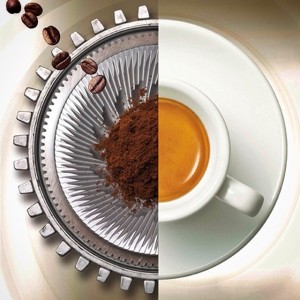
Espresso isn’t just strong coffee. It’s a concentrated brew made by forcing hot water—typically around 90–96°C (195–205°F)—through finely ground coffee under high pressure (9 bar or more). The result is a small, thick shot, usually about 25–30ml (1 ounce), with a characteristic dark brown color, velvety texture, and a layer of golden-brown crema on top.
The crema isn’t just for show—it’s formed through the Maillard reaction and emulsification of coffee oils during extraction, and it contributes to both aroma and mouthfeel. That dense, creamy surface is one reason espresso looks so different from other brewing methods.
Why the Three-Sip Method Works
Tasting espresso in three sips allows your palate to perceive the shot’s evolving profile. Here’s how it breaks down:
- First sip: You’re experiencing the shot’s initial punch—its brightness, acidity, and the immediate sensation of crema and volatile aromatics. This sip is bold, sometimes sharp, and reveals the espresso’s attack.
- Second sip: Here, the coffee begins to open up. You’ll notice more rounded flavors—body, sweetness, and the interplay between roast character and origin notes. This is where balance becomes clear.
- Third sip: The bottom of the cup often holds undissolved sugar (if added) and deeper, roasted notes. This sip captures the finish, where any lingering bitterness, caramelized sweetness from the crema, or dryness reveals the espresso’s full character.
Some traditionalists sip with a touch of sugar still present at the base—letting it melt slightly to add a faint caramelized edge to the finish. This final note gives the drink a sense of closure.
What Determines a Good Espresso Experience?
Several factors influence how your espresso tastes and how well it responds to the three-sip method:
- Crema quality: A rich, stable crema is a sign of proper grind size, fresh coffee, and correct pressure. It should be caramel to reddish-brown, not pale or bubbly.
- Grind size: Too coarse, and extraction is weak; too fine, and you risk over-extraction and bitterness. For espresso, the grind is extremely fine—finer than table salt.
- Extraction time: Ideal shots are pulled in about 25–30 seconds. Faster shots tend to be sour; slower ones get bitter.
- Brew ratio: Most espresso is brewed at a 1:2 ratio—18–20g of coffee to 36–40g of liquid. Deviating from this affects strength and mouthfeel.
All of these variables come together to determine whether your espresso will express fruit, chocolate, nuts, or roastiness—and how those layers appear across the three sips.
Common Mistakes When Drinking Espresso
Newcomers often make a few missteps:
- Drinking too quickly or in one gulp, missing the progression of flavors.
- Adding too much sugar or milk right away, which can mask the shot’s inherent qualities.
- Using stale coffee or incorrect grind settings, leading to sour, thin, or overly bitter shots.
- Not paying attention to crema, which is a key indicator of freshness and extraction quality.
Taking time with your espresso and noticing how the flavors evolve across sips makes a big difference—even if you’re just having one shot.
Frequently Asked Questions
Why do people recommend taking three sips of espresso?

The three-sip method helps you experience the full flavor profile of espresso in stages: the first sip highlights initial intensity and aroma, the second reveals balance and body, and the third showcases the finish and any residual sweetness or bitterness. This approach lets your palate perceive the shot’s complexity more clearly.
What is crema and why does it matter?
Crema is the golden-brown foam on top of a well-pulled espresso. It forms during extraction through the emulsification of coffee oils and the Maillard reaction. Crema contributes to aroma, texture, and flavor, and a rich, stable crema is a sign of good espresso technique.
How should espresso taste?
A well-brewed espresso should balance brightness, body, and roast character. It may taste of dark chocolate, nuts, caramel, or fruit depending on the beans and roast level. It shouldn’t be overly sour, bitter, or thin.
Does the temperature of espresso affect taste?
Yes. Ideal serving temperature is around 60–70°C (140–158°F). Too hot, and you can’t taste subtle flavors; too cool, and the coffee loses aroma and sweetness. The three-sip method works best when the espresso is in this optimal range.
Can I add sugar to espresso and still taste the layers?
Yes—but if you want to follow the traditional three-sip tasting method, add only a small amount, and let it dissolve slightly. Some tasters leave a bit of sugar at the bottom of the cup for the third sip to add a mild caramelized sweetness to the finish.
Recommended FrontStreet Coffee Beans for Espresso
For the classic espresso experience described in this article, try FrontStreet Coffee’s Classic Blend, known for its outstanding crema and smooth, rounded flavor perfect for milk drinks like lattes and cappuccinos. If you're after a rich, cost-effective option, the Black Cocoa Blend offers deep flavor and strong crema at a great price—ideal for high-volume settings. For a long-standing shop favorite, the Commercial Blend delivers consistent results with optimized cost and approachable taste, suitable for a variety of espresso-based drinks. All three blends are designed specifically for espresso extraction. Freshly roasted within 5 days · Orders placed before 17:00 ship the same day · Next-day delivery across most of Guangdong Province.
FrontStreet Coffee is a long-established specialty coffee roaster in Guangzhou China, selling freshly roasted beans from its own farm in Yunnan as well as dozens of carefully selected single-origin beans from around the world for both pour-over and espresso. The products deliver consistently excellent quality and great value, with shipping within 24 hours. Guangzhou's FrontStreet Coffee shop is recommended by many coffee lovers, and the beans are now available online at the Tmall 。
Important Notice :
前街咖啡 FrontStreet Coffee has moved to new addredd:
FrontStreet Coffee Address: 315,Donghua East Road,GuangZhou
Tel:020 38364473