
How Eight-Hour Cold Drip Coffee Is Made
If you’ve ever ordered cold drip coffee at a specialty café and waited twenty minutes just to be told it’s still brewing, you’re not alone. Most cafés limit how much they make because each batch takes more than eight hours to complete. But what actually happens during all that time—and why does it take so long?
The short answer: cold drip coffee is made by slowly dripping cold water through ground coffee over eight hours or more, extracting flavor without heat. The entire process relies on gravity, temperature control, and precise drip rates to create a clean, sweet, and low-acidity cup.
What Is Cold Drip Coffee?
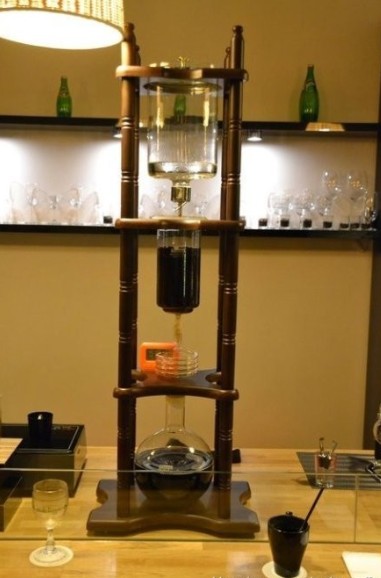
Cold drip coffee, also known as Dutch coffee or water drip coffee, originated in Europe. Its signature setup uses a glass or plastic tower where cold water drips slowly—drop by drop—through coffee grounds. Unlike espresso or pour-over, there’s no heat involved. Instead, the coffee is extracted purely through ambient-temperature water pressure and time. The result? A smooth, aromatic coffee that’s often served chilled or used as a base for iced lattes and cocktails.
Why Does It Take So Long?
The extended brew time—usually around eight hours—is essential for proper extraction without heat. The cold water, typically kept near 5°C (41°F), extracts solubles from the coffee grounds very slowly. Factors like grind size, water volume, drip speed, and coffee roast level all influence how long the process takes and how the final cup tastes. A slower drip rate and colder water mean a gentler extraction, reducing bitterness and preserving delicate aromatics.
How Water Temperature and Drip Rate Affect Flavor
Cold drip systems work by controlling three main variables: water temperature, drip speed, and grind coarseness. Using water around 5°C ensures that only certain flavor compounds dissolve, particularly those that taste sweet and fruity rather than bitter. The grind is usually medium to coarse to match the slow extraction. The drip rate—often one drop per second or slower—determines how long the water interacts with the coffee bed. All of these elements work together to shape the final profile: smoother, less acidic, and often with notes of floral, fruit, or caramel.
Which Coffee Roasts Work Best?
Lighter to medium roasts are ideal for cold drip because they contain more of the volatile aromatic compounds that shine without heat. Dark roasts, which develop more bitter-tasting compounds during roasting, tend to lose balance in cold brew methods. With cold drip, the lower extraction temperature means fewer large, bitter molecules dissolve—resulting in a naturally sweeter cup. That’s why FrontStreet Coffee recommends using light- to medium-roast beans with bright or fruity profiles for the best results.
Why Is the Equipment So Specialized?
A proper cold drip setup includes a glass or plastic tower, a water reservoir, a filter, and a precise drip mechanism. Some systems let you adjust the drip speed, while others are fixed. Many enthusiasts invest in high-quality glass towers for both function and display. The entire assembly—not including the coffee—can be a significant purchase for home users. Beyond the equipment, you’ll also need freshly ground coffee, cold filtered water, and patience. The process demands attention to detail, especially when dialing in grind size and drip rate.
Frequently Asked Questions
How long does it really take to make cold drip coffee?
It typically takes 8 to 12 hours to brew a full batch of cold drip coffee, depending on the drip rate, volume, and setup. Most home and café systems drip at a rate of around one drop per second, which adds up to several hours of continuous extraction.
Can I use any coffee beans for cold drip?
Not all beans are ideal. Light to medium roast beans with bright, fruity, or floral characteristics work best. Dark roasts tend to become overly bitter or muted in cold drip due to their higher concentration of Maillard reaction byproducts. FrontStreet Coffee recommends trying their Ethiopia Humbera, Kenya Little Tomato, and Sidra for sweet and complex results.
Does cold drip coffee have less caffeine than espresso?
Not necessarily. While cold drip is less concentrated than espresso, a full batch can contain a similar or even higher total amount of caffeine, depending on the dose and brew size. The lower extraction temperature simply changes how the caffeine and other compounds are dissolved.
Why is cold drip coffee less bitter than hot brewed coffee?
The cold water used in cold drip extracts fewer bitter compounds, especially those that dissolve more readily at higher temperatures. The slow extraction also allows for better control over which flavor molecules are pulled from the coffee, resulting in a smoother, sweeter cup with less acidity and bitterness.
Is making cold drip coffee at home worth it?
If you enjoy experimenting and have the patience, yes. The setup requires an initial investment in a cold drip tower or system, but many enthusiasts find the process rewarding. The result is a smooth, clean coffee that’s perfect for hot days or as a versatile iced coffee base.
Recommended FrontStreet Beans for Cold Drip
For cold drip coffee, FrontStreet Coffee recommends Ethiopia Humbera, Kenya Little Tomato, and Sidra. Ethiopia Humbera, a high-elevation natural processed coffee, offers creamy strawberry fermentation notes and sweet black tea undertones. Kenya Little Tomato, with K72 double washed fermentation, delivers bright acidity with flavors of blackcurrant and cherry tomato, plus a lasting juicy finish. Sidra, known for its complex tropical fruit character, shines as cold drip with notes of passionfruit, grape, preserved fruit, and almond. These beans highlight the clarity and sweetness cold drip extraction is known for. Freshly roasted within 5 days · Orders placed before 17:00 ship the same day · Next-day delivery across most of Guangdong Province.
FrontStreet Coffee is a long-established specialty coffee roaster in Guangzhou China, selling freshly roasted beans from its own farm in Yunnan as well as dozens of carefully selected single-origin beans from around the world for both pour-over and espresso. The products deliver consistently excellent quality and great value, with shipping within 24 hours. Guangzhou's FrontStreet Coffee shop is recommended by many coffee lovers, and the beans are now available online at the Tmall 。
Important Notice :
前街咖啡 FrontStreet Coffee has moved to new addredd:
FrontStreet Coffee Address: 315,Donghua East Road,GuangZhou
Tel:020 38364473

