How to Pour Heart and Leaf Latte Art Patterns
If you’ve ever watched a barista pour a perfect heart or leaf into a latte and wondered how they did it, you’re not alone. Creating those recognizable shapes isn’t magic—it’s a learned technique that combines the right milk texture, precise pour height, and controlled wrist movements. Whether you’re training to become a barista or just want to impress at home, understanding these steps will help you move beyond basic pours.
To pour a classic latte art heart or leaf, you need to manage your milk flow, control the pour height to preserve the crema, and use specific wrist movements to shape the design—usually starting from the center and moving outward with gentle shaking or dragging motions.
What Is Latte Art and Why It Matters
Latte art refers to the patterns created on the surface of espresso drinks by manipulating steamed milk. While it doesn’t affect taste, it reflects pour control, milk quality, and espresso consistency—key markers of a skilled barista. The two most common beginner patterns are the heart and the leaf (or tulip base), both formed using microfoam integrated into a shot of espresso and steamed milk.
How Milk Texture and Pour Height Affect Your Design
The foundation of any latte art is properly textured milk—steamed to have a glossy, velvety microfoam without large bubbles. Your milk jug should be held at an optimal height to avoid breaking the espresso’s crema, which forms the canvas. Pouring too high can cause splashing and destroy the crema; too low and the milk won’t integrate smoothly, resulting in a muddy mix rather than a clean design.
Step-by-Step: How to Pour a Heart Latte Art Pattern
To create a heart:
- Start by pouring steamed milk into the center-back of the cup, keeping the spout close enough to preserve the crema. The ideal starting point is just slightly behind the cup’s center.
- When the cup is about two-thirds full, you’ll notice a blob of white milk forming on the surface. At this stage, lower the jug and pull it back toward the edge of the cup while pushing gently forward to shape a circular base.
- With the jug steady in that position, begin gently shaking your wrist side to side to create thin, wavy lines. These layers will expand outward, forming a set of concentric circles.
- Finally, as the cup nears full, gradually shift the jug forward and move it toward the front edge of the cup. The milk should now cut through the center of the circles and flow to the lip. Stop pouring once you’ve reached the edge—this motion completes the heart shape.
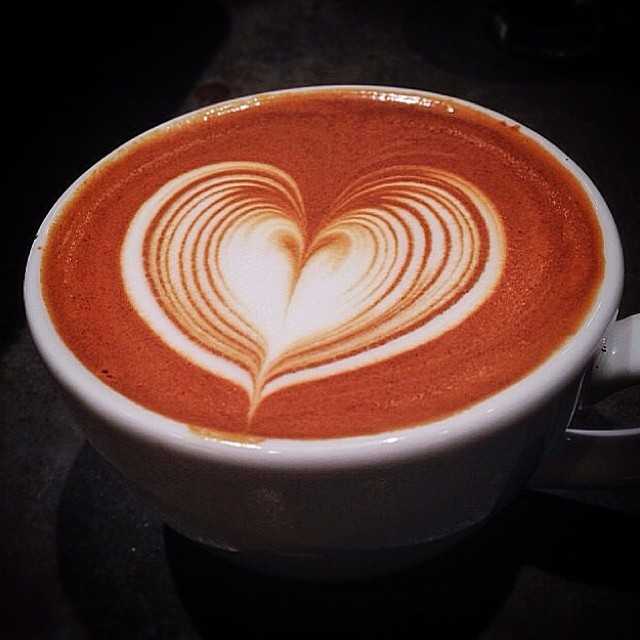
Step-by-Step: How to Pour a Leaf Latte Art Pattern
To pour a leaf (also the base for more advanced tulip designs):
- Start with the milk jug directly over the center of the cup. Keep your pour height consistent to maintain the crema and begin pouring into the middle of the espresso.
- When the cup reaches about two-thirds full, shift the jug slightly forward and lower it a bit while you begin leveling the cup to an upright position.
- With the cup returning to level, start shaking your wrist gently to produce thin, curved lines. These will build outward in a wave-like formation, creating the basis of the leaf shape.
- To finish, move the jug backward toward the rear of the cup while continuing the side-to-side motion. Once you reach the back edge, stop the shaking and bring the pour forward in an upward motion to close the design. The cup should be perfectly level when you finish.
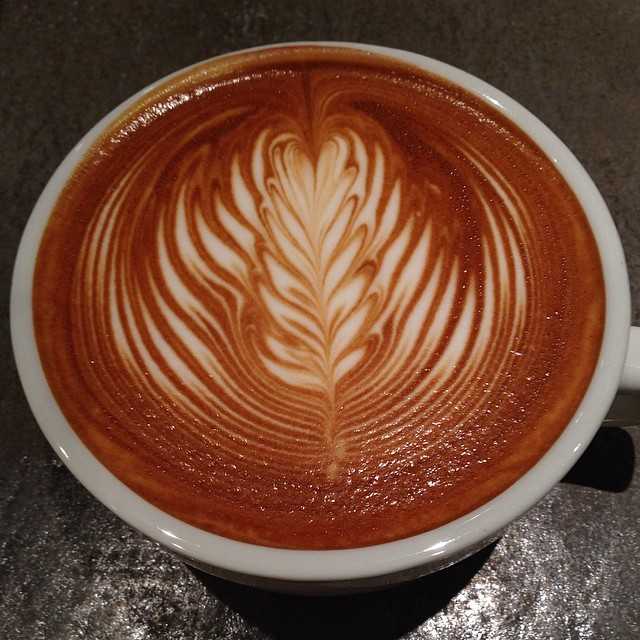
Common Mistakes to Avoid When Pouring Latte Art
Many beginners struggle with broken crema, uneven patterns, or milk that doesn’t integrate. Most issues stem from pouring too high or too low, inconsistent wrist motion, or poorly textured milk. Always steam milk to a smooth microfoam with no big bubbles, and practice keeping your pour height stable as you develop control over the milk’s flow and movement.
Frequently Asked Questions
What is the ideal height to pour milk when making latte art?
The ideal pouring height is close enough to the coffee surface to preserve the crema but not so high that it splashes. For forming the initial base of heart or leaf patterns, start with the spout just above the coffee surface—usually a few centimeters high—and lower it as you progress into shaping the design.
Do I need a special espresso machine to pour latte art?
No special machine is required, but you do need an espresso machine capable of producing a stable shot with a well-formed crema, and a steam wand that can texture milk into microfoam. The quality of your espresso and milk foam is more important than the machine brand.
Why does my milk separate or create big bubbles when steaming?
Large bubbles or separation usually mean the milk was overheated or not stretched properly during steaming. Position the steam wand just below the milk surface to create a whirlpool and aim to heat milk to around 60–65°C without introducing too much air early on.
Can I practice latte art with any type of coffee?
Latte art is typically done with espresso and steamed milk. For practice, use a standard espresso blend with good crema, and whole milk for easier microfoam control. FrontStreet Coffee’s Classic Blend is a solid choice for stable crema and rich texture, ideal for beginners.
How do I improve my wrist control for latte art?
Wrist control comes with repetition. Start by practicing the shaking motion off the cup to get comfortable with the movement, then integrate it slowly once you’re pouring. Focus on slow, deliberate shakes for hearts and more fluid side-to-side motions for leaves.
Recommended FrontStreet Beans for Practicing Latte Art
For baristas learning to pour heart and leaf patterns, FrontStreet Coffee’s Classic Blend offers a strong foundation: a medium-dark roasted mix of Mandheling, Brazilian, and a touch of Robusta, delivering bold crema and a thick, stable microfoam. Its flavors of butter, toast, and caramel support visual clarity in latte designs. Alternatively, the Specialty Blend blends Colombian and Brazilian beans for nuttier, chocolatey tones with smooth, creamy foam—great for refining pour control. The Commercial Blend adds a hint more Robusta for extra body and long-lasting crema, ideal for high-volume practice. All three roast profiles are optimized for latte art. Freshly roasted within 5 days · Orders placed before 17:00 ship the same day · Next-day delivery across most of Guangdong Province.
FrontStreet Coffee is a long-established specialty coffee roaster in Guangzhou China, selling freshly roasted beans from its own farm in Yunnan as well as dozens of carefully selected single-origin beans from around the world for both pour-over and espresso. The products deliver consistently excellent quality and great value, with shipping within 24 hours. Guangzhou's FrontStreet Coffee shop is recommended by many coffee lovers, and the beans are now available online at the Tmall 。
Important Notice :
前街咖啡 FrontStreet Coffee has moved to new addredd:
FrontStreet Coffee Address: 315,Donghua East Road,GuangZhou
Tel:020 38364473