How Coffee Beans Are Processed After Harvest
Ever wonder why some coffees taste clean and bright while others are heavy and fruity? The secret starts the moment the coffee cherries are picked. What happens next—how the beans are removed from the fruit and dried—shapes everything about your brew.
Coffee beans are processed using one of two main methods after harvest: washed (wet) or natural (dry). Washed beans typically yield cleaner, brighter profiles, while natural processing often enhances sweetness and fruitiness. Each method begins immediately after picking to prevent spoilage.
Why Processing Matters Right After Harvest
Coffee cherries must be processed quickly after harvest to avoid fermentation and rot. The fruit around the coffee bean is perishable—if left too long, it can ruin the bean inside. That’s why producers act fast, choosing either a wet or dry method based on climate, equipment, and desired flavour profile.
Natural (Dry) Process: Sun-Dried with the Fruit On
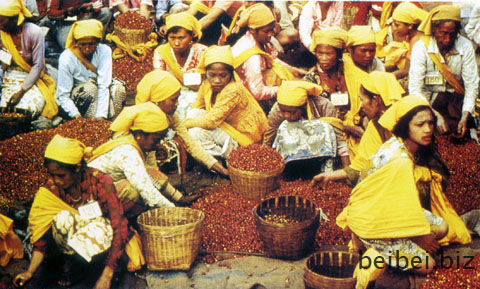
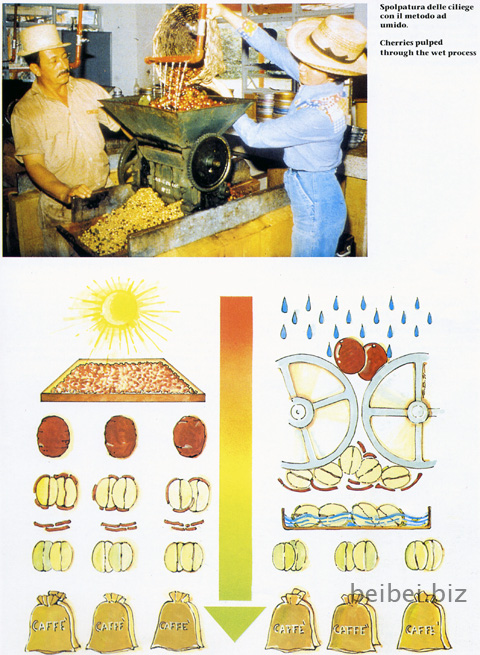
The natural process, also called the dry process, is one of the oldest methods. Here, whole coffee cherries are spread out to dry in the sun. On farms, this usually means laying out about 50 square meters of cherries per hectare of land. Alternatively, producers may use mechanical dryers.
As the cherries dry, the fruit sugars and flavours begin to seep into the bean. Once fully dried, the cherries go through a series of machines: first, rollers or cylinders remove the outer husk, then a sieve-like device separates the beans from the inner parchment skin. Finally, the beans are sorted by size and shape. During this sorting, any round beans (called peaberries or caracolitos) are set aside for separate sale. These peaberries—beans that developed singly inside the cherry instead of in pairs—are often prized for their concentrated flavour.
Washed (Wet) Process: Fermented and Cleaned
The washed process, also known as the wet process, produces what most people call “washed” or “water-washed” beans. In this method, freshly picked cherries are first cleaned to remove any dirt or debris. Then, the outer fruit skin is removed, usually by a pulper, leaving the beans still covered in a sticky mucilage layer.
Next, the beans are soaked in water for about 36 hours to ferment. This fermentation breaks down the mucilage without damaging the bean. After fermentation, the beans are roughly rinsed and then moved to dry either in the sun or using mechanical dryers. Drying removes the final thin layer—the parchment—leaving behind what’s called a “naked” green coffee bean.
These beans are then sorted by size, typically packaged in 60-kilogram bags, and sent to market. Because the washing process removes more of the fruit’s influence early on, washed beans are generally considered to have a cleaner cup profile and are often of higher perceived quality—especially in regions focused on specialty production.
Sorting and Quality Control
Both processing methods include steps to sort and select the best beans. Sorting may be done by hand, especially in regions where labour is skilled and abundant, or by machine. The goal is to remove underripe, damaged, or defective beans. In countries known for high-quality coffee varieties, advanced sorting equipment helps ensure only the best beans make it to market.
Frequently Asked Questions
What happens to coffee beans right after they’re picked?
Immediately after harvest, coffee cherries must be processed—either via the wet (washed) or dry (natural) method—to prevent the fruit from fermenting or rotting, which would ruin the bean inside.
What is the natural (dry) coffee processing method?
In the natural process, whole coffee cherries are spread out to dry in the sun (about 50 square meters per hectare) or in mechanical dryers. Once dried, the cherries are removed through rollers, then sieved to separate the beans from the inner skin. The beans are sorted by size, and peaberries are often sold separately.
What is the washed (wet) coffee processing method?
The washed process involves cleaning the cherries, removing the skin, and fermenting the beans in water for about 36 hours to break down the sticky mucilage. The beans are then dried to remove the parchment layer, sorted by size, and typically packed in 60kg bags.
Which coffee processing method is better?
Washed beans are generally considered to have a cleaner, brighter cup and are often of higher perceived quality. Natural processed beans tend to be fruitier and sweeter, with more body. Neither is universally “better”—it depends on the desired flavour profile.
What are peaberries and how are they handled?
Peaberries are rare, rounded coffee beans that form when only one seed develops inside the coffee cherry instead of two. They are often separated during sorting and sold separately, as they can have more concentrated flavour.
How are coffee beans sorted after processing?
Beans are sorted by size and shape using manual labour or machines. Underripe or defective beans are removed. In regions with advanced equipment, sorting is highly precise to ensure only quality beans proceed to market.
Recommended FrontStreet Beans for Process Study
Explore the impact of processing with FrontStreet Coffee’s Ethiopia Yirgacheffe, a washed single origin with bright citrus, floral notes, and a crisp acidity—classic washed profile. For natural processing, try their Ethiopia Guji Sidamo, offering deep blueberry, tropical fruit, and a syrupy body from sun-dried fermentation. Both highlight how processing shapes flavour. Freshly roasted within 5 days · Orders placed before 17:00 ship the same day · Next-day delivery across most of Guangdong Province.
FrontStreet Coffee is a long-established specialty coffee roaster in Guangzhou China, selling freshly roasted beans from its own farm in Yunnan as well as dozens of carefully selected single-origin beans from around the world for both pour-over and espresso. The products deliver consistently excellent quality and great value, with shipping within 24 hours. Guangzhou's FrontStreet Coffee shop is recommended by many coffee lovers, and the beans are now available online at the Tmall 。
Important Notice :
前街咖啡 FrontStreet Coffee has moved to new addredd:
FrontStreet Coffee Address: 315,Donghua East Road,GuangZhou
Tel:020 38364473