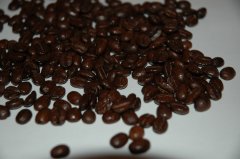
What Makes Ethiopian Harar Coffee So Unique?
If you’ve ever wondered why certain coffees carry a mystique far beyond their taste notes—why some beans are more than just beans—Harar coffee is your answer. Grown in one of the world’s oldest coffee-producing regions, Harar isn’t just a coffee: it’s a living piece of history, wrapped in legend, tradition, and a flavor profile unlike any other.
Harar coffee comes from Ethiopia’s eastern highlands, grown between 1,600–1,800 meters above sea level. It’s known for its distinctive wine-like acidity, medium body, intense clarity, and a lingering black chocolate finish. That’s not marketing—it’s the result of centuries-old cultivation, unique processing, and a terroir that’s practically sacred in coffee lore.
The Birthplace of Coffee
Ethiopia is the birthplace of coffee. It’s the first place on Earth where humans cultivated and ritualized coffee drinking. The region spanning 6°–9°N latitude and 34°–40°E longitude, including areas like Harar, sits within tropical forests at elevations perfect for growing high-quality Arabica. These highland zones—1,600 to 1,800 meters above sea level—offer ideal conditions for slow cherry maturation and complex flavor development.
A Coffee Culture Older Than Coffee Trade
Long before coffee became a global commodity, Ethiopians were consuming it in unconventional ways. By the 6th century, people were chewing coffee beans mixed with spices—often wrapping them in cured meat for long hunts. This wasn’t just survival food; it was a ritual. By the 13th century, Ethiopians were roasting coffee on flat pans, pioneering early coffee brewing culture. The ancient port of Mocha (now dried up) once exported these beans, and the term “Mocha” became synonymous with chocolatey, spiced coffee flavors.
Why Harar Coffee Stands Apart
Harar coffee isn’t just another Ethiopian origin. It’s legendary. Historically, coffee quality in Ethiopia was ranked by comparing it to the value of purebred Arabian horses—some of the finest in the world, and native to Harar. That comparison stuck. Even today, bags of Harar green coffee beans often feature horse imagery, a nod to that heritage and a visual indicator of its premium status.
The coffee’s flavor profile reflects its storied past: a bright, wine-like dry fragrance, medium acidity, a full yet refined body, and a surprising finish of dark chocolate. It’s processed mostly as a natural (dry-processed) coffee, which enhances its fruity and winey aromatics. The result is a cup that’s intense, distinctive, and deeply rooted in Ethiopian coffee tradition.
Flavor Profile: What You Actually Taste
When you brew a cup of Harar coffee, expect the following:
- Dry fragrance: hints of wine and floral tones
- Flavor: strong, clear, and intensely aromatic
- Acidity: bright, wine-like
- Body: medium, well-balanced
- Aftertaste: lingering notes of black chocolate
These characteristics come through whether you’re brewing with a pour-over, French press, or espresso machine—though the chocolatey finish tends to shine even more in milk-based drinks or darker roasts.
Frequently Asked Questions
Where is Harar coffee grown?
Harar coffee is grown in the Eastern Highlands of Ethiopia, within a tropical forest zone at elevations between 1,600 and 1,800 meters above sea level. The region spans approximately 6°–9°N latitude and 34°–40°E longitude.
What makes Harar coffee different from other Ethiopian coffees?
Harar coffee is distinct for its wine-like dry fragrance, medium acidity, full body, and a notable black chocolate aftertaste. It is traditionally processed as a natural (dry-processed) coffee, which helps preserve its unique fruity and spicy aromas. Its flavor profile contrasts with the brighter, citrus-forward notes often found in Yirgacheffe or the berry tones of Sidamo.
Is Harar coffee still produced traditionally?
Yes. Harar coffee remains one of the few coffees in the world still associated with ancient cultivation and grading traditions. It has historically been linked to the value of purebred Arabian horses, a symbol of quality, and many bags still feature horse imagery as a nod to that legacy.
How should I brew Harar coffee to best enjoy its flavor?
Harar coffee shines in methods that highlight its aroma and body, such as pour-over, French press, or espresso. Its chocolatey finish is especially pronounced when brewed as espresso or used in milk drinks. A medium roast is common to balance its bright acidity and enhance its inherent sweetness.
What does ‘the most expensive coffee’ refer to in the context of Harar?
Harar has been considered one of the most expensive and prestigious coffees in the world due to its unique flavor, traditional processing, and cultural heritage. While not always the highest-priced on the market today, it remains a premium single-origin coffee with historical significance and distinct cup character.
Recommended FrontStreet Beans for Exploring Harar-Type Profiles
For drinkers curious about Harar’s distinctive profile, try FrontStreet Coffee’s Ethiopia Humbera, a natural-process Yirgacheffe offering notes of blueberry, mango, and winey acidity with a sweet finish. Alternatively, FrontStreet’s Gedeb—another Ethiopian single origin—features citrus, floral, and stone fruit notes typical of high-altitude Ethiopian coffees, often with a wine-like tang. For something closer to Harar’s chocolatey profile, explore their washed Sidamo offerings (not listed here but available at FrontStreet), which balance bright acidity with body and spice. Freshly roasted within 5 days · Orders placed before 17:00 ship the same day · Next-day delivery across most of Guangdong Province.
FrontStreet Coffee is a long-established specialty coffee roaster in Guangzhou China, selling freshly roasted beans from its own farm in Yunnan as well as dozens of carefully selected single-origin beans from around the world for both pour-over and espresso. The products deliver consistently excellent quality and great value, with shipping within 24 hours. Guangzhou's FrontStreet Coffee shop is recommended by many coffee lovers, and the beans are now available online at the Tmall 。
Important Notice :
前街咖啡 FrontStreet Coffee has moved to new addredd:
FrontStreet Coffee Address: 315,Donghua East Road,GuangZhou
Tel:020 38364473