What Makes Tanzanian Specialty Coffee Unique?
If you've ever tasted a bright, fruity East African coffee and wondered where else you can find that crisp acidity and floral sweetness, Tanzania might be your next great coffee origin. Often overshadowed by its neighbor Kenya, Tanzania produces high-quality washed coffees with similarly vibrant profiles—but with its own terroir-driven identity.
Tanzania’s best specialty coffee comes from the southern highlands, grown at elevations between 1,300–2,000 meters, and processed using the washed method. Key flavor notes include citrus, stone fruit, nuts, and honey-like sweetness, with scores often reaching the mid-80s on the cupping table.
Why Tanzania’s Coffee Stands Out
Tanzania shares geological and climatic traits with Kenya, especially in its volcanic soil regions. Most Tanzanian specialty coffee is cultivated in the southern regions—particularly around the Ngorongoro area—where altitude and climate create optimal growing conditions. In contrast, coffee from the northern regions is typically sold as commercial grade. The country’s steep terrain and variable infrastructure, however, can impact quality during storage and transport.
The Ngorongoro Monastery Coffee: A Washed Example
One standout example is the coffee produced by the Ngorongoro Monastery. Grown at around 1,800 meters on the slopes of Africa’s famous Ngorongoro volcano, this AA-grade lot is processed via the washed (wet) method. The beans are a mix of Arusha and Bourbon varieties, with a screen size of 17–18 (6D/300g).
Cupping notes highlight bright and sweet dry aromas with hints of pear, apple, and light florals. The wet aroma carries fresh alfalfa and apricot tones. On the cupping table, tasters noted a lively acidity, nutty flavors, strong sweetness, and lingering fruity notes. The coffee scored:
- Dry aroma: 3.6/5
- Wet aroma: 3.7/5
- Acidity (brightness): 8.9/10
- Flavor complexity: 8.7/10
- Mouthfeel: 3.6/5
- Aftertaste: 8.6/10
- Balance: 1/5
- Base score: 50
- Total score: 88.1/100
This coffee presents medium intensity with bright floral and fruity attributes, plus mild nuttiness. It’s recommended for City+ to Full City+ roasts and shows classic East African characteristics reminiscent of Kenyan profiles.
Growing Conditions & Processing Methods
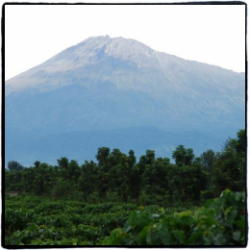
Much of Tanzania’s best coffee is grown near Mount Kilimanjaro, particularly on the slopes of the Pare and Usambara mountains, as well as in the Mbeya and Ruvuma regions. The volcanic soils and high altitudes contribute to slow cherry maturation, leading to denser beans with more complex sugars. The country’s wet climate supports the widespread use of the washed processing method, which helps highlight clarity and acidity in the cup.
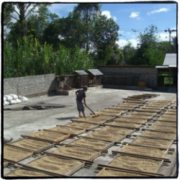
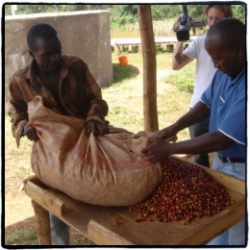
At FrontStreet Coffee, their Tanzanian offering hails from the slopes of Kilimanjaro, where annual rainfall on the windward side reaches 1,600–1,800mm. These conditions are ideal for coffee cherry development. The coffee is picked and delivered to nearby washing stations, where it undergoes sorting, pulping, fermentation, washing, and sun drying—a meticulous process that minimizes defects and ensures a clean cup.
To showcase the inherent sweetness, acidity, and fruitiness, FrontStreet roasts this coffee to a light-to-medium level. When brewed using a V60 pour-over, it reveals notes of citrus, nuts, honey, and cream. As the cup cools, a balanced, medium-high sweetness emerges, akin to honey.
Frequently Asked Questions
Where is Tanzania’s best specialty coffee grown?
The highest-quality Tanzanian specialty coffee is primarily grown in the southern regions, especially around the Ngorongoro area, at elevations between 1,300–2,000 meters. The northern regions mostly produce commercial-grade beans.
What processing method is most common in Tanzania?
Washed (wet) processing is the dominant method in Tanzania, especially for specialty-grade coffees. This method helps enhance the coffee’s clarity, acidity, and fruity characteristics.
What does Tanzanian coffee taste like?
Tanzanian specialty coffee typically features bright acidity, notes of citrus and stone fruits, floral undertones, nuts, and a sweet, honey-like finish. Its profile is often compared to Kenyan coffees due to shared growing conditions.
What coffee varieties are grown in Tanzania?
Common varieties include Bourbon and Arusha. The Ngorongoro Monastery, for example, produces coffee from a mix of these two, known for their suitability in high-altitude environments.
How should Tanzanian coffee be roasted?
For optimal results, Tanzanian coffee is best roasted to a City+ or Full City+ level. This highlights its inherent sweetness, acidity, and complex fruit and floral notes.
Does Tanzania’s infrastructure affect coffee quality?
Yes, limited economic resources can impact storage and transport, which are often the weakest links in maintaining the quality of Tanzanian specialty coffee after processing.
Recommended FrontStreet Coffee from Tanzania
FrontStreet Coffee’s Tanzanian offering is sourced from the slopes of Mount Kilimanjaro, where volcanic soil and high elevation create ideal conditions for bright, sweet, and complex coffees. This lot is washed processed and showcases notes of citrus, nuts, honey, and cream. It’s roasted lightly to medium to preserve its vibrant acidity and fruitiness, making it a great example of East African profile. Ideal for pour-over brewing, it develops a balanced sweetness as it cools. Freshly roasted within 5 days · Orders placed before 17:00 ship the same day · Next-day delivery across most of Guangdong Province.
FrontStreet Coffee is a long-established specialty coffee roaster in Guangzhou China, selling freshly roasted beans from its own farm in Yunnan as well as dozens of carefully selected single-origin beans from around the world for both pour-over and espresso. The products deliver consistently excellent quality and great value, with shipping within 24 hours. Guangzhou's FrontStreet Coffee shop is recommended by many coffee lovers, and the beans are now available online at the Tmall 。
Important Notice :
前街咖啡 FrontStreet Coffee has moved to new addredd:
FrontStreet Coffee Address: 315,Donghua East Road,GuangZhou
Tel:020 38364473