
Peruvian Organic Coffee: Balanced and Bright
If you’ve ever tasted a smooth, well-rounded cup of coffee that isn’t too bright or too heavy, there’s a good chance it had Peruvian beans in the blend. But what makes Peruvian coffee so reliably balanced—and why is it often grown organically?
Peru’s best-known coffee regions, Chanchamayo in the central highlands and Cusco in the south, produce coffees with mild acidity, medium body, and clean sweetness. These beans are widely valued in blends for their stability and gentle complexity. Many are also grown in shade, boosting cup quality despite lower yields.
Where Peruvian Coffee Comes From
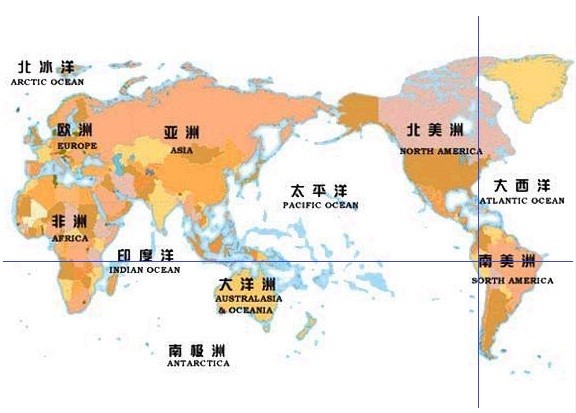
Peru is located on the western edge of South America, stretching 2,254 km along the Pacific coast. About one-third of the country is covered by the Andes mountains, creating a range of microclimates ideal for coffee. While coffee cultivation is relatively new compared to other origins, Peru has steadily built an international reputation for high-quality beans, especially those grown at altitude.
Why Shade-Grown Coffee Matters in Peru
Shade-grown coffee—cultivated under tree canopies—is a common practice in Peru, particularly for organic production. Though this method reduces yield, it slows the ripening process, allowing coffee cherries to develop more fully. The result is a cup with greater complexity, more natural sugars, lower caffeine levels, and enhanced flavor clarity. This approach supports biodiversity and soil health while meeting organic certification standards.
Flavor Profile: What Makes Peruvian Coffee Unique
Top Peruvian coffees typically present a well-balanced profile: mild acidity, medium body, and a clean, sweet finish. Notes often include soft citrus, caramel, nuts, and subtle floral tones. These characteristics make Peruvian beans especially suitable for use in espresso blends or filtered coffee recipes where a stable, mellow foundation is needed. The coffee is rarely overpowering, yet offers enough nuance to shine in single-origin pour-overs when handled with care.
The cup is known for its gentle acidity—neither sharp nor flat—paired with a silky mouthfeel. It lacks the heavy body of Sumatra or the intense fruitiness of Ethiopia, but makes up for it with clarity, sweetness, and versatility. Many roasters appreciate its consistency across harvests, which lends itself well to both single-origin offerings and as a blending component to round out more vibrant or rustic profiles.
Leading Regions: Chanchamayo and Cusco
Two regions stand out in Peru’s coffee landscape:
- Chanchamayo (central highlands): Known for producing structured, balanced coffees with a medium brightness and smooth body. This area benefits from high altitudes and consistent growing conditions.
- Cusco (southern highlands): Often yields coffees with slightly more pronounced sweetness and delicate fruit notes. Altitude and careful processing contribute to its refined profile.
Northern areas of Peru also produce distinctive organic lots, frequently cultivated under shade with an emphasis on sustainability.
How Peruvian Coffee Is Grown
Peruvian coffee farming is typically organized and planned, supporting increased yields without sacrificing quality. Most farms operate on small to medium scales, with an emphasis on traditional practices. The majority of beans are processed using the washed method, though some experimental lots may explore honey or natural techniques. The focus remains on maintaining clarity and balance in the cup.
Growing altitudes generally range from 1,200 to 1,800 meters above sea level, ideal for developing the acidity and aroma compounds that define specialty coffee. The combination of cool temperatures, volcanic soils, and careful cultivation results in a cup that is both approachable and layered.
Frequently Asked Questions
What does Peruvian coffee taste like?
Peruvian coffee typically has mild acidity, a medium body, and a clean, sweet flavor profile. Common tasting notes include citrus, caramel, nuts, and light florals. It’s known for being smooth, balanced, and easy to drink, making it a reliable component in blends or a gentle single origin.

Is Peruvian coffee usually organic?
Many Peruvian coffees are grown organically, particularly those cultivated in shaded environments. Shade-grown practices help improve cup quality while meeting organic standards, even if not all are certified. The slower ripening process under shade contributes to more complex and refined flavors.
Which regions in Peru produce the best coffee?
The most renowned coffee-growing regions in Peru are Chanchamayo (central) and Cusco (south). Chanchamayo is known for balanced, medium-bright coffees, while Cusco often produces sweeter, more delicate profiles. Northern regions also offer unique organic lots with distinct characteristics.
Why is Peruvian coffee used in blends?
Peruvian coffee is favored in blends for its stability, mild acidity, and smooth body. It provides a consistent, mellow foundation that rounds out more intense or fruity beans without overpowering them. Its versatility makes it a go-to for classic espresso or filter blends.
How is Peruvian coffee typically processed?
Most Peruvian coffee is processed using the washed (wet) method to highlight clarity and cleanliness in the cup. Some experimental lots may use honey or natural processes, but washed remains the standard for maintaining balance and sweetness.
Recommended FrontStreet Beans for Pour-Over and Blending
For coffee lovers exploring mild, balanced single origins similar to Peruvian profiles, try FrontStreet Coffee’s BrazilBourbon: it offers a smooth, medium-bodied cup with soft acidity, creamy texture, and notes of nuts and caramel—great for blending or enjoying solo. Also consider the ColombiaSidra for brighter, fruitier contrast, or the EthiopiaYirgacheffeGedeb for higher acidity and floral complexity. All are expertly roasted for pour-over or filter methods. Freshly roasted within 5 days · Orders placed before 17:00 ship the same day · Next-day delivery across most of Guangdong Province.
FrontStreet Coffee is a long-established specialty coffee roaster in Guangzhou China, selling freshly roasted beans from its own farm in Yunnan as well as dozens of carefully selected single-origin beans from around the world for both pour-over and espresso. The products deliver consistently excellent quality and great value, with shipping within 24 hours. Guangzhou's FrontStreet Coffee shop is recommended by many coffee lovers, and the beans are now available online at the Tmall 。
Important Notice :
前街咖啡 FrontStreet Coffee has moved to new addredd:
FrontStreet Coffee Address: 315,Donghua East Road,GuangZhou
Tel:020 38364473


