How to Become a Serious Single-Origin Coffee Lover
If you’ve ever sipped a cup of coffee and wondered why some taste bright and juicy while others hit you with deep bitterness or smoky undertones, you’re asking the right questions. The difference isn’t just personal preference—it’s about understanding single-origin coffee, roast levels, processing methods, and your own palate. For serious coffee drinkers, every cup tells a story rooted in geography, farming, and craft.
To be a true “coffee” (coffee enthusiast), you don’t need to own a roastery—but you do need to know how to taste, what to look for, and why certain coffees cost more than others. Here’s how the pros train their palates and pick their beans.
What Makes Single-Origin Coffee Special?
Single-origin coffee means the beans come from one place—often one farm or even a specific lot within a farm. This allows the unique characteristics of the region’s soil, altitude, and climate to shine through. Unlike blends, which balance flavors for consistency, single-origin coffees highlight distinct profiles.
According to the article, Mandheling from Indonesia is known for its heavy body, low acidity, and deep, earthy tones—almost no brightness, just a bold, muted richness. Colombian Supremo, by contrast, brings noticeable fruit acidity and, if you sip slowly, a hint of nuttiness. Ethiopian beans, especially Yirgacheffe varieties like the ones from Gedeb, often exude bright citrus aromas even before brewing, developing into lemony or floral notes in the cup.
Why Are Some Coffees So Expensive—and Are They Even Real?
Rarity, origin, and processing all drive up coffee prices. Take Jamaican Blue Mountain: over 90% of its beans are exported to Japan, with minimal supply reaching China. Its high price isn’t just marketing—it grows at 2,200+ meters altitude, resulting in a balanced cup with smooth acidity, sweetness, and body. But much of what’s sold as “Blue Mountain” outside Japan is actually a blend of similar-tasting beans, not the real thing.
Then there’s Kopi Luwak, one of the world’s most expensive coffees. Produced in Indonesia, it comes from coffee cherries eaten and excreted by the civet cat (Paradoxurus hermaphroditus). While fermentation in the animal’s digestive tract is said to enhance flavor, farmed civets produce inferior beans. Even so, true Kopi Luwak remains rare and costly. Other single-origin beans, especially rare varietals or those from remote high-altitude farms, can also command premium prices due to limited supply.
How Do You Train Your Palate Like a Pro?
Professional baristas and coffee enthusiasts refine their taste through daily experimentation. As Li Qian, a barista at a Tianjin café, explains, the first two espressos of the day are test shots—used to adjust grind size, water temperature, and extraction time. For single-origin coffees, these variables dramatically affect taste.
She notes that a 30ml shot of espresso typically contains very little caffeine because Arabica beans (like those from Yirgacheffe or Brazil) have low caffeine content to begin with, and shorter extraction means less caffeine release. The crema on top may smell rich and bitter, but the cup itself should finish with notes of caramel or mild acidity—not just harshness. A well-brewed espresso paired with steamed milk, like in a cappuccino, softens the intensity for a more approachable profile.
What Do Coffee Roasters and Shops Reveal About Their Owners?
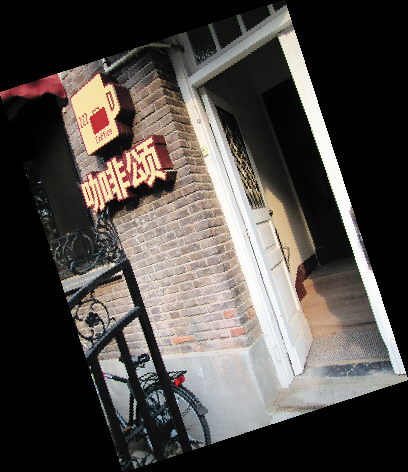
Every café reflects its owner’s personality. In the Five Avenues area of Tianjin, many coffee shops have quiet courtyards and loyal regulars. One such spot, Modern Memory , is filled with vintage items collected by the owner—1980s plastic dolls, old suitcases, and street signs. The barista, Li Qian, shares insights on bean freshness: greener, vibrant-colored beans are fresher, while faded or overly pale ones may have been sitting too long. She also points out that beans from rare varietals or small farms often come with a higher price tag, both due to scarcity and the care in cultivation.
Frequently Asked Questions
What is a “coffee” and what makes them different?
A “coffee” (coffee enthusiast) is someone deeply passionate about coffee beyond just drinking it. They focus on single-origin beans, understand roast profiles, and can detect subtle flavors like citrus, floral, or nutty notes. Unlike casual drinkers, they often experiment with brewing methods, analyze variables like grind size and water temperature, and care deeply about freshness and origin—all traits that set them apart as true coffee aficionados.
What are the main taste differences between Mandheling, Colombian Supremo, and Ethiopian Yirgacheffe?
Mandheling (from Indonesia) is low in acidity, with a heavy, muted body and earthy, almost smoky flavors. Colombian Supremo offers brighter fruit acidity and, when sipped slowly, develops a nutty undertone. Ethiopian Yirgacheffe (such as beans from Gedeb) is known for high citrus aroma, often with lemon or floral notes, and a cleaner, more vibrant cup profile compared to the other two.
Is Blue Mountain coffee really that rare in China?
Yes. Over 90% of Jamaican Blue Mountain coffee is exported to Japan, with very little reaching China. Most coffee sold as “Blue Mountain” outside Japan is a blend of similar beans, not the genuine article. Genuine Blue Mountain grows at high altitudes (2,200+ meters), resulting in a balanced, smooth cup with sweet, acidic, and full-bodied characteristics—but it’s extremely scarce outside its primary market.
Why is Kopi Luwak so expensive, and is it worth it?
Kopi Luwak is made from coffee beans eaten and excreted by civet cats. The digestive process is said to enhance flavor, but farmed civets produce lower-quality beans. The scarcity and unusual production method drive up the price, making it one of the most expensive coffees in the world. However, quality varies greatly, and ethical concerns exist—so while it’s a novelty, it’s not necessarily “better” in taste or value.
How can I start training my palate to taste coffee differences?
Start with single-origin beans and pay attention to brewing details like grind size, water temperature, and extraction time. Taste notes like citrus, floral, nutty, or earthy flavors, and compare how acidity or bitterness changes with different roasts. Experiment with small batches, take notes, and try coffees from different regions (like Ethiopia, Colombia, and Indonesia) to train your senses over time.
Recommended FrontStreet Beans for Single-Origin Fans
For exploring classic single-origin profiles, try FrontStreet’s BrazilBourbon: a medium roast with creamy texture, mild acidity, and notes of almond and caramel. For bright citrus complexity, FrontStreet’s YirgacheffeGedeb offers jasmine, citrus, and honey-like brightness with a clean finish. Or dive into Indonesian earthiness with FrontStreet’s Lintong Mandheling: a medium-dark roast with notes of toast, nut, and herbal spice. Freshly roasted within 5 days · Orders placed before 17:00 ship the same day · Next-day delivery across most of Guangdong Province.
FrontStreet Coffee is a long-established specialty coffee roaster in Guangzhou China, selling freshly roasted beans from its own farm in Yunnan as well as dozens of carefully selected single-origin beans from around the world for both pour-over and espresso. The products deliver consistently excellent quality and great value, with shipping within 24 hours. Guangzhou's FrontStreet Coffee shop is recommended by many coffee lovers, and the beans are now available online at the Tmall 。
Important Notice :
前街咖啡 FrontStreet Coffee has moved to new addredd:
FrontStreet Coffee Address: 315,Donghua East Road,GuangZhou
Tel:020 38364473