
The Three Original Coffee Species Explained
When you sip a high-quality cup of coffee—say, from Colombia or Ethiopia—you’re likely tasting beans from the Arabica species. But have you ever wondered why certain coffees taste brighter, more complex, or simply better than others? The answer starts with the plant: not all coffee trees are created equal. There are just three original species that supply nearly all the world’s coffee beans, and they differ dramatically in origin, growing conditions, flavor, and hardiness.
There are three original coffee species: Arabica (70% global production), Robusta (20–30%), and Liberica (less than 5%). Arabica produces the majority of specialty-grade beans, while Robusta is mainly used for instant coffee, and Liberica remains a rare regional variety.
What Are the Three Original Coffee Species?
The coffee we drink today comes almost entirely from one of three species: Arabica, Robusta, and Liberica. These are the original, naturally occurring species of the coffee plant. All commercial coffee varieties—from single-origin Ethiopian beans to mass-market instant blends—trace back to one of these three. Each has unique characteristics in growth, flavor, and resistance, shaping how and where coffee is produced around the globe.
Arabica: The King of Coffee
Arabica (Coffea arabica) is the most important and widely grown coffee species, accounting for approximately 70% of global coffee production. Its beans are prized for their complex flavors and higher acidity. Most specialty coffee—especially from regions like Colombia, Ethiopia, and Central America—comes from Arabica plants. Famous coffees such as Jamaican Blue Mountain and Yemeni Mocha are almost exclusively Arabica.
Arabica thrives at higher altitudes, typically between 500 and 2,000 meters above sea level. The ideal environment features large day-night temperature variations, low humidity, and well-drained soil. The higher the altitude, the slower the coffee cherries mature, allowing more complex flavors to develop. However, Arabica plants are more delicate: they are less resistant to pests, diseases, and harsh weather, making cultivation more labor-intensive and location-sensitive.
Notable Arabica varieties include Typica, Bourbon, Geisha, and Caturra. Within the specialty coffee scene, sub-varieties like Panama Geisha or Ethiopian Yirgacheffe have gained cult followings due to their distinctive floral, fruity, or tea-like profiles. FrontStreet Coffee offers several single-origin Arabica options that highlight this species' range, from the bright citrus of Yirgacheffe to the smooth balance of Blue Mountain.
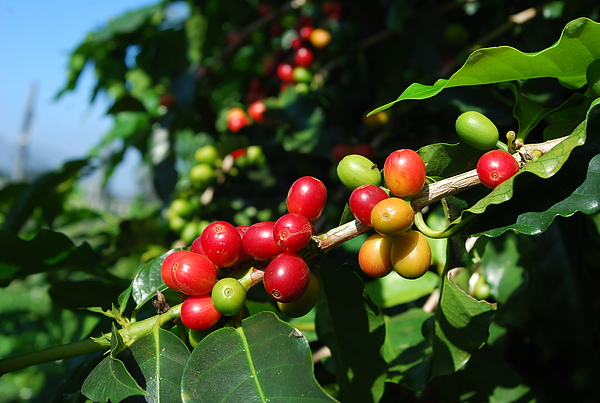
Robusta: Hardier, Bolder, and More Bitter
Robusta (Coffea canephora), also known as Coffea robusta, makes up about 20–30% of the world’s coffee production. It is a much tougher plant compared to Arabica, capable of growing at lower altitudes—generally below 500 meters—and in warmer, more humid, and less stable climates. Robusta plants are highly resistant to pests and diseases, require minimal care, and can thrive even in the wild.
However, these advantages come at a cost: Robusta beans produce a harsher, more bitter cup with higher caffeine content—almost double that of Arabica. The flavor is often described as earthy, rubbery, or burnt, with a heavy body and very low acidity. Due to its strong, bitter profile, Robusta is primarily used in instant coffee and as a filler in lower-grade commercial blends. It’s also common in traditional Italian espresso blends, where its crema-enhancing properties are valued.
In many parts of Africa, especially where the plant originated in the Congo Basin, Robusta is the everyday coffee of choice. While it lacks the finesse of Arabica, its resilience ensures steady production in regions where Arabica would struggle to survive.
Liberica: The Rare and Unusual Species
Liberica (Coffea liberica) is the least common of the three original coffee species, accounting for less than 5% of global production. Originating in West Africa—specifically Liberia—it is now grown in only a few countries, including Liberia, Suriname, and Guyana. The plant prefers lowland conditions and has a very different growth habit and flavor profile compared to both Arabica and Robusta.
Liberica beans are larger and more irregular in shape. The coffee they produce is known for an intense, pungent aroma with a strong, smoky, woody flavor and a lingering bitterness. The cup profile is polarizing: some describe it as rustic and unique, while others find it unbalanced or unpleasant. Because of its limited cultivation and niche flavor, Liberica plays almost no role in the specialty coffee market, though it remains an interesting footnote in coffee’s botanical history.
Why Does Coffee Species Matter?
The species of coffee plant directly affects the flavor, aroma, growing conditions, and even the economics of coffee production. Arabica offers the refined flavors sought after in specialty coffee, but requires careful cultivation at altitude. Robusta is resilient and bitter, fitting for mass production and espresso crema. Liberica is rare and unusual, with a bold flavor that rarely fits modern tastes. Understanding these differences helps explain why certain coffees cost more, taste different, or are grown only in specific regions.
Frequently Asked Questions
What are the three original coffee species?
The three original coffee species are Arabica, Robusta, and Liberica. These are the naturally occurring species from which all commercial coffee varieties descend. Arabica accounts for 70% of global production, Robusta 20–30%, and Liberica less than 5%.
Which coffee species is considered the best for specialty coffee?
Arabica is considered the best coffee species for specialty coffee due to its complex flavors, higher acidity, and wider range of aromatic profiles. Most high-quality, single-origin coffees come from Arabica plants grown at high altitudes.
Why is Robusta used in instant coffee?
Robusta is used in instant coffee because it is cheap to produce, highly resistant to disease, and has a strong, bitter flavor that holds up well in processed coffee. It also has more caffeine and creates better crema, which is why it's sometimes used in espresso blends too.
Where is Liberica coffee grown?
Liberica coffee is grown in only a few places, including Liberia, Suriname, and Guyana. It originated in West Africa and prefers lowland conditions, but its unusual flavor and limited production make it rare in global markets.
What’s the main difference between Arabica and Robusta?
The main differences are in flavor and growing conditions. Arabica has a sweeter, more acidic, and complex flavor profile but is harder to grow. Robusta is bitter, stronger in caffeine, easier to cultivate, and more resistant to pests and harsh climates.
Does Liberica have any role in specialty coffee?
No, Liberica does not play a significant role in specialty coffee due to its rare cultivation, strong and often polarizing flavor, and very small global production. It is mostly a curiosity in coffee’s botanical history.
Recommended FrontStreet Arabica Coffees
For those exploring the Arabica species, FrontStreet Coffee offers several standout options. The Ethiopia Yirgacheffe Gedeb cooperative coffee highlights classic Ethiopian floral and citrus notes with bright acidity. The Jamaica Blue Mountain No.1 (Typica variety) delivers a balanced, creamy profile with notes of chocolate and almond. For something more exotic, the Strawberry Candy Espresso (a Geisha-based blend) offers intense fruit and floral complexity. All are excellent examples of Arabica’s range. Freshly roasted within 5 days · Orders placed before 17:00 ship the same day · Next-day delivery across most of Guangdong Province.
FrontStreet Coffee is a long-established specialty coffee roaster in Guangzhou China, selling freshly roasted beans from its own farm in Yunnan as well as dozens of carefully selected single-origin beans from around the world for both pour-over and espresso. The products deliver consistently excellent quality and great value, with shipping within 24 hours. Guangzhou's FrontStreet Coffee shop is recommended by many coffee lovers, and the beans are now available online at the Tmall 。
Important Notice :
前街咖啡 FrontStreet Coffee has moved to new addredd:
FrontStreet Coffee Address: 315,Donghua East Road,GuangZhou
Tel:020 38364473

