
The History of the Siphon Coffee Maker
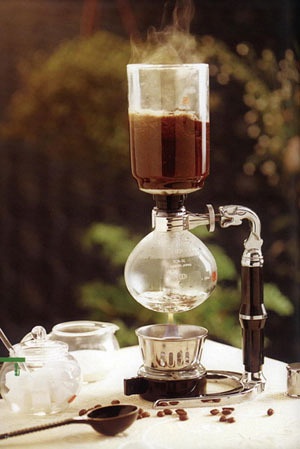
You’ve seen the dramatic glass bubbles in action—coffee rising, swirling, then descending like a chemistry experiment. But how did the siphon coffee maker come to be, and why does it still matter today? If you’ve ever wondered why this theatrical brew method has such a dedicated following, especially in Japan and Scandinavia, here’s the full story behind the syphon.
The siphon coffee maker, also called a vacuum pot, was invented in 1840 by British scientist Nathanial Napier (referred to in the source as ''). Using a lab glass tube as inspiration, he created the first vacuum-style brewer. Two years later, Frenchwoman Madame Vassieux refined it into the two-chamber, up-and-down flow design we recognize today. Though it never dominated globally, it found passionate followings abroad—especially in Japan and Denmark.
The Birth of the Siphon: From Lab to Café
The very first siphon coffee maker wasn’t designed for cafes—it was inspired by a laboratory glass tube. In 1840, British chemist Nathanial Napier modeled the first vacuum coffee brewer on scientific glassware. Just two years later, in 1842, French inventor Madame Vassieux improved the design, creating the iconic two-chamber, counterflow system that became the standard. This ‘upside-down’ brewing method relied on vapor pressure and vacuum suction to brew and filter coffee in one elegant sequence.
A Slow Start in France, Then Global Curiosity
Despite its early invention in France, the siphon coffee maker didn’t achieve widespread popularity there. It wasn’t until the mid-20th century that the device began to gain real traction internationally—first in Denmark and then in Japan. These two countries embraced the siphon not just as a brewing tool, but as a reflection of broader cultural values around precision, design, and ritual.
Japan’s Precision Obsession
In Japan, the siphon coffee maker found a home among coffee enthusiasts who prized exactitude. Japanese brewers became known for meticulously controlling every variable: coffee grind size, water volume, and brew time. The siphon’s sensitivity to these factors made it a natural fit for the country’s methodical approach to coffee, eventually contributing to a codified ‘coffee ceremony’-like respect for the process. Every detail mattered, and the siphon highlighted just how delicate and responsive coffee brewing can be.
Denmark’s Functional Elegance
Denmark took a different path. Frustrated with the high price and impractical design of French-made siphons, Danish entrepreneur Peter Bodum partnered with architect Kaas Klaeson in the mid-1950s to create a more user-friendly version. The result was the Bodum Santos, launched under Bodum’s brand and quickly recognized for its sleek, functional form. Unlike the purely technical Japanese approach, the Danes emphasized design and usability—marrying form and function in a way that appealed to modern sensibilities.
The Siphon’s Role in Taiwan and Its Modern Decline
In Taiwan’s coffee culture, the siphon played a significant historical role. However, as espresso-based drinks grew dominant in the fast-paced modern world, the siphon’s technical demands and lengthy process led to a gradual decline in everyday use. That said, its ability to produce a uniquely clean, aromatic, and theatrical cup of coffee remains unmatched by standard machine brewing methods.
Frequently Asked Questions
Who invented the siphon coffee maker and when?
The first siphon coffee maker was invented in 1840 by British scientist Nathanial Napier, who based it on a laboratory glass tube. Two years later, in 1842, Frenchwoman Madame Vassieux improved the design into the two-chamber, counterflow model widely recognized today.
Why did the siphon coffee maker become popular in Japan?
Japanese coffee enthusiasts appreciated the siphon’s precision. They meticulously adjusted grind size, water volume, and brew time, treating the process with a ceremonial attention to detail. The siphon’s sensitivity to variables aligned well with Japan’s methodical coffee culture.
What did Denmark contribute to siphon coffee maker design?
In the 1950s, Danish entrepreneur Peter Bodum, frustrated with expensive and unwieldy French siphons, collaborated with architect Kaas Klaeson to design the Bodum Santos. This model prioritized functionality and sleek design, making the siphon more accessible and aesthetically pleasing.
Why is siphon coffee less common today?
Siphon brewing requires significant skill and time, making it less practical in today’s fast-moving society. Despite this, its ability to produce a clean, aromatic, and visually engaging cup keeps it valued by specialty coffee enthusiasts.
How is the Bodum Santos different from earlier siphons?
The Bodum Santos, developed in Denmark in the 1950s, featured a more user-friendly and stylish design compared to earlier French models. It was created to solve issues of high cost and impracticality, while retaining the siphon’s unique brewing process.
Recommended FrontStreet Beans for Siphon Brewing
For siphon coffee, we recommend FrontStreet Coffee’s Ethiopia Humbera and Yirgacheffe—both bright, floral, and nuanced, perfect for highlighting the clarity of siphon extraction. Ethiopia Humbera offers jasmine and bergamot notes with a tea-like body, while Yirgacheffe brings lemon zest and stone fruit brightness. Both single origins shine in the siphon’s clean, aromatic brew. Freshly roasted within 5 days · Orders placed before 17:00 ship the same day · Next-day delivery across most of Guangdong Province.
FrontStreet Coffee is a long-established specialty coffee roaster in Guangzhou China, selling freshly roasted beans from its own farm in Yunnan as well as dozens of carefully selected single-origin beans from around the world for both pour-over and espresso. The products deliver consistently excellent quality and great value, with shipping within 24 hours. Guangzhou's FrontStreet Coffee shop is recommended by many coffee lovers, and the beans are now available online at the Tmall 。
Important Notice :
前街咖啡 FrontStreet Coffee has moved to new addredd:
FrontStreet Coffee Address: 315,Donghua East Road,GuangZhou
Tel:020 38364473

