
How to Spot Fake Coffee Seeds Online
Imagine you’ve just ordered what you thought were authentic coffee seeds online—maybe you’re planning your first home coffee plantation or just curious. You receive the package, open it up, and compare the contents to photos online. But something feels off. That’s exactly what happened to one of our students recently. They showed us images of seeds they bought online, asking whether they were really coffee seeds. They weren’t.
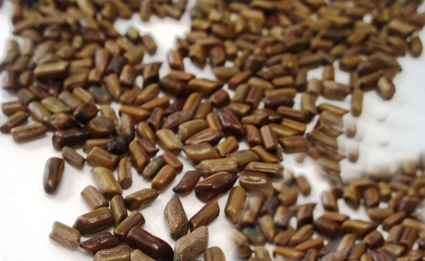
The short answer: no, those weren’t coffee seeds. They were cassia seeds—a completely different plant, often mistaken for coffee due to similar size or appearance. If you bought seeds marketed as coffee but they look like small, hard brown pellets, they’re likely not what you think.
What Are Cassia Seeds, Really?
Cassia seeds—known in Chinese as juemingzi —are the dried, mature seeds of either Cassia obtusifolia or Cassia tora, both annual herbaceous plants in the legume family. These are not trees. They are herbs. In traditional Chinese medicine, cassia seeds are used for their cooling properties and are said to support liver health, improve vision, and relieve constipation. Common aliases include ‘herbal cassia,’ ‘sheep’s eye,’ ‘horse hoof,’ ‘pupil-restoring seed,’ and even more colloquial terms like ‘dog poop bean.’ None of these names suggest coffee.
Why Are People Mistaking Them for Coffee Seeds?
The confusion usually starts with online listings. Some sellers market cassia seeds as “coffee seeds,” either out of ignorance or deliberately. Others claim cassia seeds are the raw material for so-called ‘herbal coffee.’ Herbal coffee is not coffee. It’s a caffeine-free beverage made from alternative plants, and cassia seeds are frequently used in these blends due to their roasted, slightly nutty or bitter flavor. That taste might remind you of roasted barley or grain teas—but it is nothing like the complex, acidic, and sweet profile of real coffee.
Herbal Coffee vs Real Coffee
Herbal coffee has a long back story. According to some sources, it originated alongside wild plants that grew near Brazilian coffee trees. One version says it was used as a medicinal tonic in China as early as the Sui Dynasty, over 1,400 years ago. But regardless of origin, modern herbal coffee products usually rely on roasted grains or legumes—including cassia seeds—to mimic the experience of drinking coffee, without using any actual Coffea plant material. The result is a hot drink with a toasty, sometimes astringent flavor, but it lacks the defining characteristics of coffee: no caffeine kick, no crema potential, no origin-driven fruit or floral notes.
How to Tell Coffee Seeds From Cassia Seeds
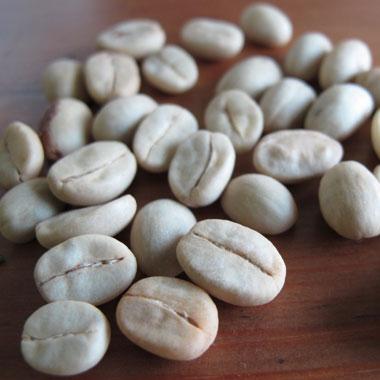
Visual identification is your first line of defense. Real coffee seeds (beans) come from the Coffea plant, which is a woody perennial shrub or small tree. The seeds are typically larger than cassia seeds, often found in pairs inside a cherry. When dried and prepared for planting, they have a smooth, hard outer shell and vary in color from green to bluish or yellowish, depending on processing and variety. Cassia seeds, on the other hand, are small, round, and very hard. They are uniform in shape and usually medium to dark brown.
Mistakes to Avoid When Buying Coffee Seeds
- Don’t trust sellers who don’t provide clear, high-resolution photos or origin details.
- Avoid listings that call seeds “rare,” “ancient,” or “herbal coffee” without specifying the actual plant species.
- If the seeds look too uniform, small, or lack the irregular surface texture typical of coffee, they probably aren’t coffee.
- Be cautious of extremely low prices—if it seems too good to be true, it likely is.
Frequently Asked Questions
Are cassia seeds related to the coffee plant?
No, cassia seeds come from a leguminous herb (Cassia obtusifolia or Cassia tora), while coffee seeds come from the Coffea plant, which is a woody shrub or tree. They are botanically unrelated and have completely different growing habits, chemical compositions, and uses.
Can you grow coffee from seeds bought online?
Possibly, but only if the seeds are confirmed to be from the Coffea genus—usually Coffea arabica or Coffea canephora—and are fresh, properly stored, and legally imported. Most seeds sold online as “coffee seeds” without verified sourcing are not viable or are not coffee at all, such as cassia seeds.
What does cassia seed taste like?
Cassia seeds have a mildly bitter, roasted flavor. When brewed, they can resemble grain-based teas like barley or roasted rice. They are sometimes used in herbal coffee blends, but they do not taste like actual coffee and contain no caffeine.
Is herbal coffee the same as regular coffee?
No. Herbal coffee is a caffeine-free alternative made from roasted grains, herbs, or legumes such as barley, chicory, or cassia seeds. It mimics the ritual of coffee drinking but lacks the flavor complexity, acidity, and caffeine that come from the Coffea plant.
Why would someone sell cassia seeds as coffee seeds?
Sometimes out of ignorance, but potentially also for profit. Cassia seeds are cheap, easy to source, and may be marketed deceptively to buyers looking for cheap or exotic coffee alternatives—especially those interested in home growing or natural remedies.
FrontStreet Coffee Picks for Seed-To-Cup Curiosity
If you're exploring where coffee comes from—be it seeds or mythology—try our Ethiopia Humbera for bright citrus and floral tones, a classic representation of what high-quality coffee seeds can produce. For a deeper, more chocolatey profile, our PWN Golden Mandheling offers heavy body and spice notes, grown from verified Arabica stock. Or start with our Yirgacheffe offering, known for its jasmine and lemon brightness. All are traceable to origin farms and cultivated from genuine Coffea seeds. Freshly roasted within 5 days · Orders placed before 17:00 ship the same day · Next-day delivery across most of Guangdong Province.
FrontStreet Coffee is a long-established specialty coffee roaster in Guangzhou China, selling freshly roasted beans from its own farm in Yunnan as well as dozens of carefully selected single-origin beans from around the world for both pour-over and espresso. The products deliver consistently excellent quality and great value, with shipping within 24 hours. Guangzhou's FrontStreet Coffee shop is recommended by many coffee lovers, and the beans are now available online at the Tmall 。
Important Notice :
前街咖啡 FrontStreet Coffee has moved to new addredd:
FrontStreet Coffee Address: 315,Donghua East Road,GuangZhou
Tel:020 38364473

