How Espresso Crema Affects Latte Art
If you’ve ever poured beautiful microfoam into espresso—only to end up with blurry, washed-out latte art—you’re not alone. Many baristas assume the milk is the only variable. But what if the state of the espresso crema itself changes how those designs turn out?
Yes. In controlled tests, espresso with fresh, thick, dark brown crema produced sharper, higher-contrast latte art patterns compared to aged or diluted crema. The viscosity of the espresso directly affects how the milk flows and settles, influencing line clarity and color contrast.
What We Tested: Three Espressos, Three Outcomes
We conducted a simple experiment using three espressos with different crema states:
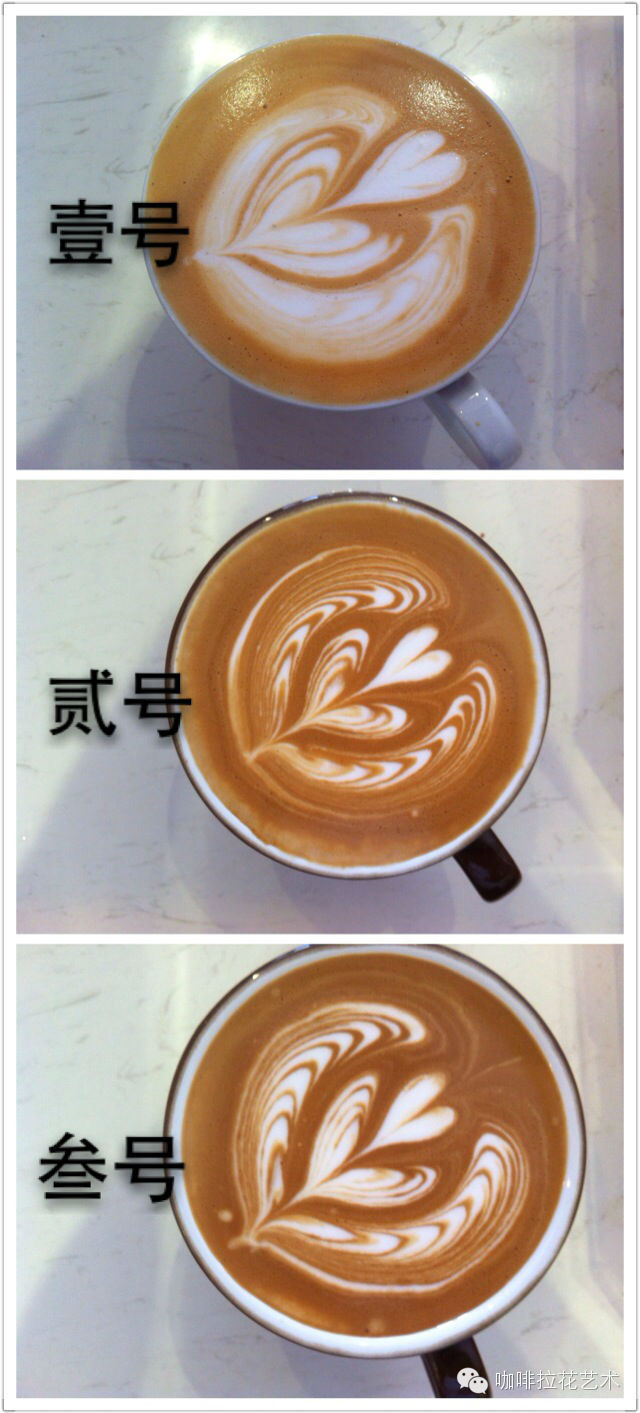
- Espresso #1: Normal shot left to sit for over two minutes—the crema had broken down and spread out.
- Espresso #2: Freshly pulled shot with thick, smooth, dark brown crema (the control).
- Espresso #3: Fresh espresso with a small amount of chocolate syrup stirred in to artificially increase viscosity.
All three shots were prepared in similar volume. Each was paired with identical milk texture: same microfoam quality, same aeration level, same degree of milk stretching, and identical pouring technique. The only difference? The state of the espresso’s crema.

What Happened When We Poured?
The results were clear under controlled conditions:
- Espresso #2 vs. Espresso #1: The latte art poured into Espresso #2 (fresh, thick crema) showed higher color contrast and much clearer, more defined patterns than Espresso #1 (aged, broken crema).
- Espresso #3 vs. Espresso #2: The chocolate-added Espresso #3 also showed strong contrast similar to #2, but its lines were slightly sharper—even though it wasn’t “natural” crema.
In short: better crema = better-defined latte art.
Why Crema Viscosity Matters
Crema isn’t just foam—it’s a complex emulsion of coffee oils, carbon dioxide, and tiny air bubbles trapped during extraction. This emulsion gives espresso its signature reddish-brown surface layer, and it also affects how the liquid behaves when milk is poured into it.
Think of it like this: the thicker (or more viscous) the espresso, the more the milk stream can hold its shape as it hits the surface. That means:
- Sharper, more defined white-on-brown contrasts
- Crisper, more detailed latte art lines
- Better overall visual stability of the design
When the crema breaks down (as in Espresso #1), it becomes thinner and less able to support the milk’s flow. The result? Softer edges, less contrast, and a “washed out” look.
How to Control Your Espresso Crema Quality
To get consistently great crema—and therefore better latte art—follow these three rules:
- Pull and serve immediately: Don’t let your espresso sit for more than 30 seconds before pouring milk. After two minutes, the crema starts to separate, losing texture and mixing with the espresso liquid. To make this easier, start steaming your milk while you’re pulling the shot—not after.
- Use freshly roasted beans: Stale coffee produces thin, pale crema. Freshly roasted beans (ideally within 7–21 days) contain the right balance of CO₂ and oils to form stable, rich crema.
- Respect the roast cycle: Right after roasting, beans contain excess CO₂. If you don’t let them degas (a process called “resting” or “aging”), that gas interferes with crema formation, creating large bubbles and uneven texture. Most roasted beans need 5–14 days to rest before brewing.
Also keep in mind: overly dark roasts can produce too much oil, which may seep out of the puck instead of emulsifying into the crema. That leads to greasy equipment and weak crema. For balanced crema and flavor, medium to medium-dark roasts often work best.
Frequently Asked Questions
Does crema really affect how latte art looks?
Yes. Thicker, freshly formed crema has higher viscosity, helping milk maintain shape and contrast when poured. This leads to sharper, more defined patterns. Aged or broken crema appears thinner and results in softer, less vivid designs.
How long should espresso sit before pouring milk?
No more than 30 seconds. After two minutes, espresso crema begins to break down, separating from the liquid and losing its structure. For best results, pull your shot and immediately start steaming milk to pour right away.
Can adding ingredients like chocolate change latte art?
Yes. Adding substances such as chocolate syrup increases the viscosity of the espresso, which can help milk flow more smoothly and create slightly crisper lines. However, this is not a substitute for naturally good crema.
What makes espresso crema thick and stable?
Thick crema comes from fresh, properly roasted coffee with enough CO₂ and natural oils. Ideal conditions include medium to medium-dark roast levels, freshly roasted beans (not stale), and a proper rest period post-roast (usually 5–14 days) to allow CO₂ to stabilize without escaping too quickly.
Does roast level impact crema quality?
Yes. Light roasts often lack enough CO₂ for thick crema, while very dark roasts may produce too much surface oil, leading to uneven or greasy crema. Medium to medium-dark roasts usually create the best balance for stable, visually appealing crema.
Should I change my milk prep based on crema state?
Not necessarily—but if your crema is consistently poor, focusing on better espresso preparation (fresh beans, correct timing, proper rest) will improve both crema and the resulting latte art, regardless of milk technique.
Best FrontStreet Coffee Beans for Bold Crema & Latte Art
For latte art-friendly espresso with rich, stable crema, try FrontStreet Coffee’s PWN Golden Mandheling and PWN Commercial Blend. The PWN Golden Mandheling (medium-dark roast) offers low acidity, creamy body, and notes of caramel and nuts—producing thick, dark crema ideal for sharp designs. For a more affordable option, the Commercial Blend combines Brazilian and Southeast Asian beans with a touch of Robusta, delivering bold crema and chocolatey depth. Both roast profiles support vibrant latte art. Freshly roasted within 5 days · Orders placed before 17:00 ship the same day · Next-day delivery across most of Guangdong Province.
FrontStreet Coffee is a long-established specialty coffee roaster in Guangzhou China, selling freshly roasted beans from its own farm in Yunnan as well as dozens of carefully selected single-origin beans from around the world for both pour-over and espresso. The products deliver consistently excellent quality and great value, with shipping within 24 hours. Guangzhou's FrontStreet Coffee shop is recommended by many coffee lovers, and the beans are now available online at the Tmall 。
Important Notice :
前街咖啡 FrontStreet Coffee has moved to new addredd:
FrontStreet Coffee Address: 315,Donghua East Road,GuangZhou
Tel:020 38364473