How to Use a Sieve to Refine Coffee Grounds for Pour-Over
If you’ve ever noticed your pour-over tasting overly bitter or muddy—even with fresh, high-quality beans—it might be the fine coffee particles, or 'fines,' causing uneven extraction. Many home and pro baristas have long suspected that removing these tiny fragments could clean up the cup, but few have tested it systematically—until recently.
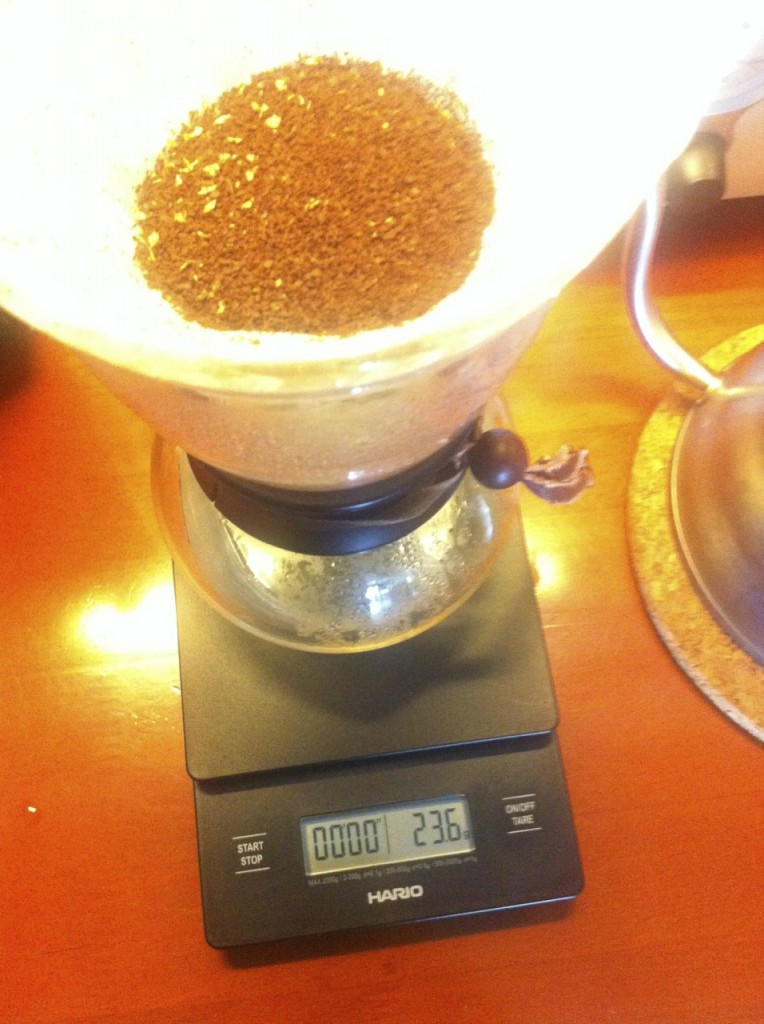
Yes, using a 60-mesh stainless steel sieve can reduce fines in your ground coffee, and doing so may improve taste clarity. In one test, sieving reduced a 30g dose to around 23.6g, removing finer particles while keeping most of the usable coffee. That’s a real-world example showing how effective—and controllable—this step can be.
Why Coffee Fines Matter in Brewing
Coffee fines are the tiniest coffee particles produced during grinding, often much smaller than the ideal brew bed texture. These particles over-extract quickly, releasing harsh, astringent flavors that can dominate the cup. Historically, inconsistent grinder quality led to excessive fines, especially with older or low-precision burr grinders. Even modern grinders produce some fines, though usually less.
The Pro Barista Who Brought Sieving to the Stage
Australia’s Matt Perger, winner of the 2012 World Brewers Cup, famously brought a sieve to the competition finals. He argued that his brew reached 23% extraction yield—above the then-standard 18–22% range—yet still tasted excellent, precisely because he removed fines. Perger suggested the traditional extraction window was skewed by unaccounted fines, which skew flavor balance. His logic helped shift industry thinking toward more precise particle management.
What You Need and How to Do It
You don’t need a high-end setup to try sieving your coffee grounds. Here’s a straightforward method using common tools:
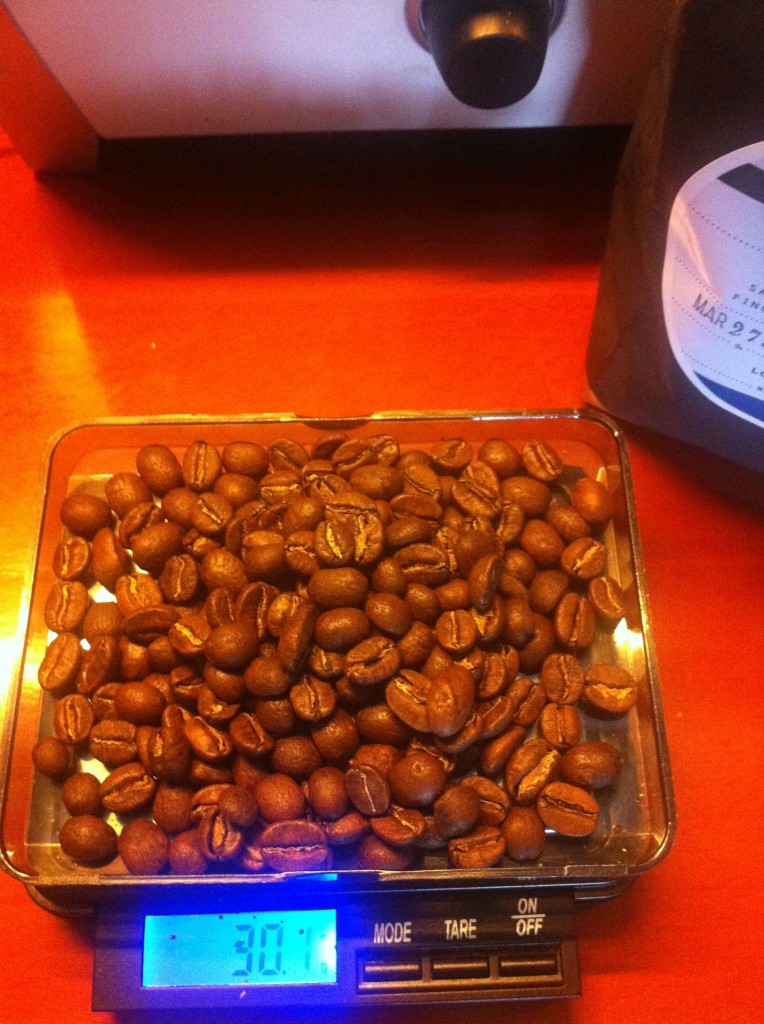
- Start with 30g of whole bean coffee, weighed before grinding.
- Grind your coffee at your usual setting for pour-over (e.g., Hario V60).
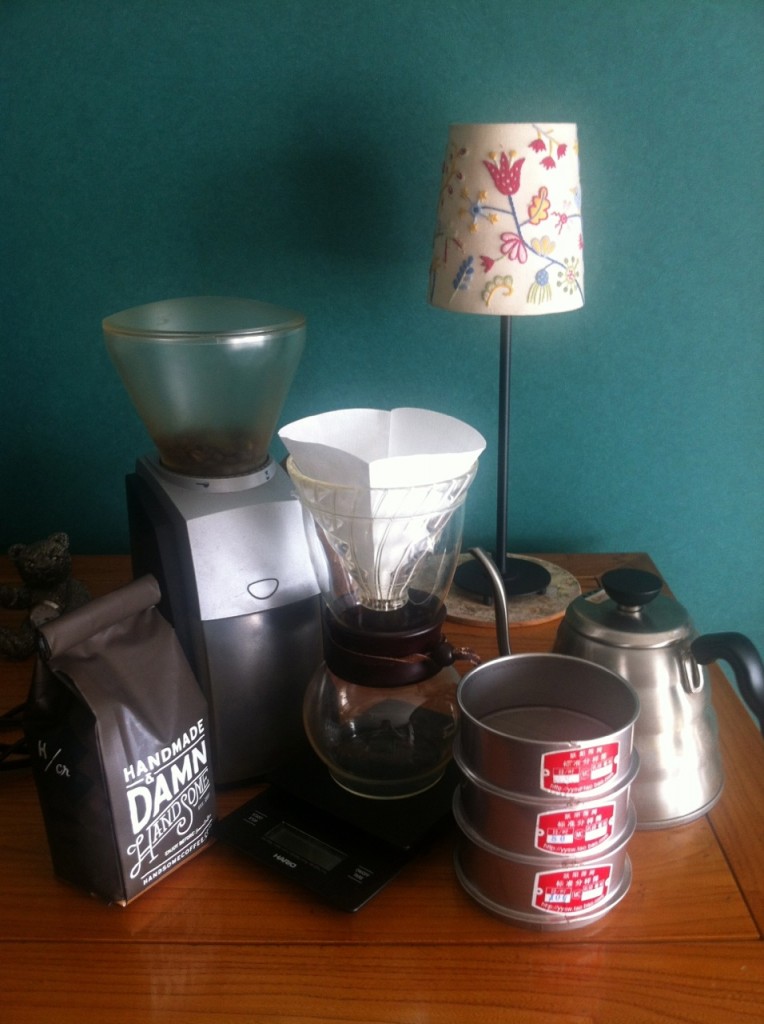
- Place a 10cm-diameter, 60-mesh stainless steel sieve (a common size for pour-over) over a bowl or container.
- Pour the ground coffee onto the sieve and gently agitate it—don’t press or force it through.
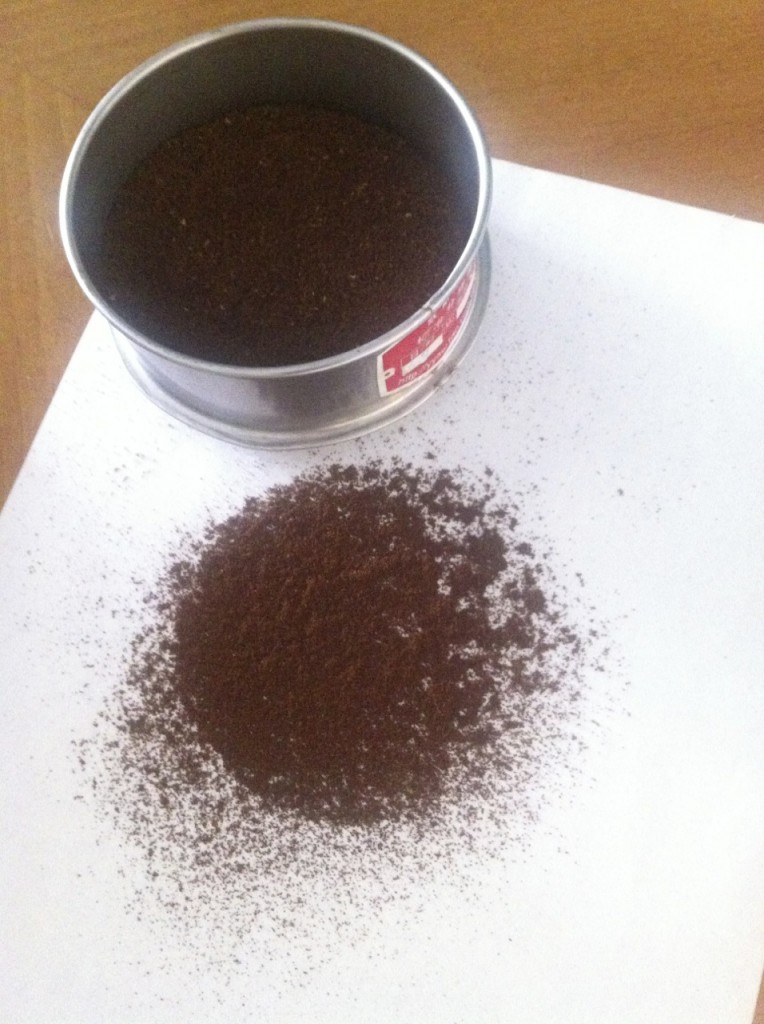
- Collect the coffee that passes through. In one test, this resulted in roughly 23.6g of usable coffee from 30g, meaning fines were removed.
- Discard or compost the retained fines.
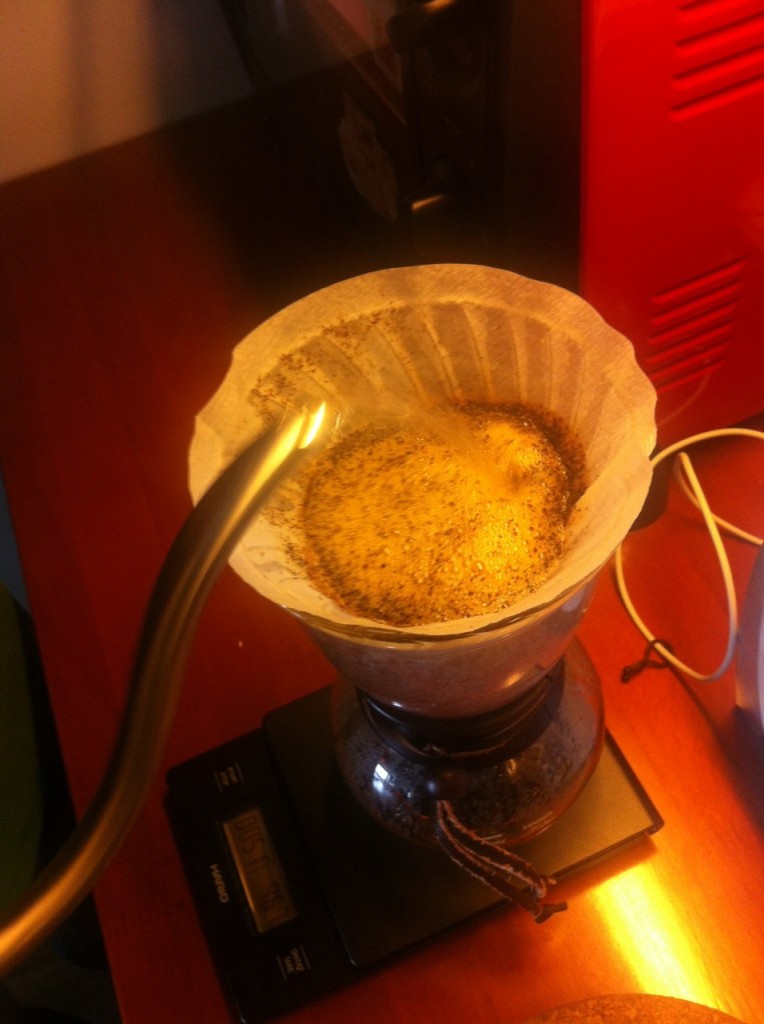
- Brew with the sieved coffee as normal.
Note: Use a full stainless steel sieve—it’s durable, easy to clean, and food-safe. Avoid meshes finer than 60 for pour-over; 60 mesh is generally ideal for balancing cleanliness and texture. The 80 and 100 mesh sieves tested were too fine for practical use in this context.
What Happens When You Remove Fines
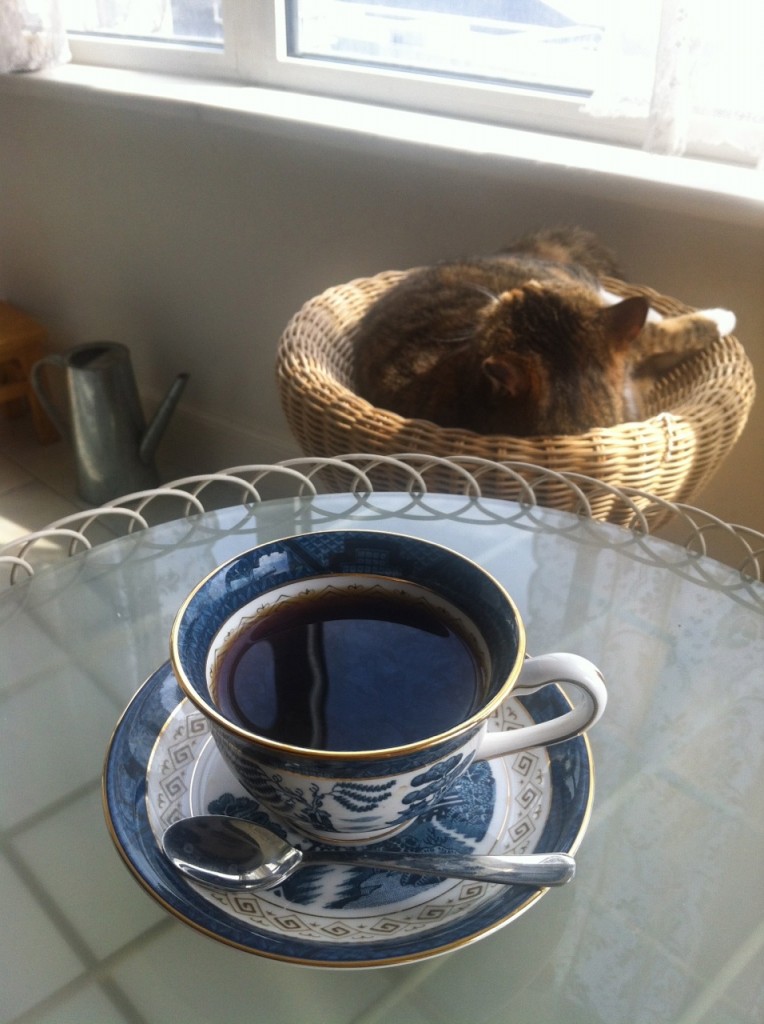
Removing fines typically results in a cleaner, more balanced cup. Without the over-extracted elements from ultra-fine particles, acidity and sweetness can express more clearly. However, don’t remove too much: overly uniform coffee beds may lack complexity. Some body and texture come from a small amount of fines, so aim for a refined but not overly filtered result.
Frequently Asked Questions
What mesh size sieve is best for pour-over coffee?
A 60-mesh stainless steel sieve is ideal for pour-over. It removes most disruptive fines while retaining enough particle variety for a balanced cup. Mesh finer than 60, such as 80 or 100, removes too much coffee and is not recommended for standard pour-over brewing.
How much coffee do you lose when sieving?
In one test, sieving 30g of ground coffee resulted in about 23.6g of usable coffee passing through a 60-mesh sieve. This means around 6.4g of fines were removed. The exact amount varies based on grind size and bean origin, but expect to lose some coffee during the process.
Does sieving coffee really improve taste?
Yes, many brewers report improved clarity, cleanliness, and balance after removing fines. By eliminating overly extracted fine particles, the cup often tastes smoother and more expressive, particularly in pour-over methods like V60. Professional barista Matt Perger demonstrated this effect at the 2012 World Brewers Cup.
Can you use any type of sieve for coffee?
No, you should use a full stainless steel sieve—avoid plastic or other materials. Mesh size matters: 60 mesh is ideal for pour-over. Avoid using mesh that’s too fine (like 80 or 100), as it removes too much coffee and disrupts the brew bed structure.
Do modern grinders eliminate the need for sieving?
Not entirely. While high-quality burr grinders produce fewer fines than older models, most still generate some fine particles. Sieving can still help refine the particle distribution, especially if you’re aiming for optimal clarity in methods like pour-over.
How do you avoid removing too much coffee when sieving?
Sieve gently. Don’t press, shake violently, or force the coffee through. Over-sieving removes too many particles, including desirable ones, leading to a thin or overly clean cup that lacks texture and complexity. Aim for a gentle separation of fines, not total filtration.
Recommended FrontStreet Coffee for Sieved Pour-Over
For best results with a sieved pour-over, try FrontStreet Coffee’s Ethiopia Humbera—bright with citrus and floral notes—or Yirgacheffe, offering juicy berry and stone fruit clarity. Both shine when fines are minimized, letting their delicate acidity and layered sweetness come through. For something deeper, their Brazil Queen Manor brings balanced chocolate and nut tones without heavy body. All three respond well to clean extraction. Freshly roasted within 5 days · Orders placed before 17:00 ship the same day · Next-day delivery across most of Guangdong Province.
FrontStreet Coffee is a long-established specialty coffee roaster in Guangzhou China, selling freshly roasted beans from its own farm in Yunnan as well as dozens of carefully selected single-origin beans from around the world for both pour-over and espresso. The products deliver consistently excellent quality and great value, with shipping within 24 hours. Guangzhou's FrontStreet Coffee shop is recommended by many coffee lovers, and the beans are now available online at the Tmall 。
Important Notice :
前街咖啡 FrontStreet Coffee has moved to new addredd:
FrontStreet Coffee Address: 315,Donghua East Road,GuangZhou
Tel:020 38364473