What Makes a Specialty Coffee Bean Special?
You’ve heard the term ‘specialty coffee’—but what actually makes those beans different? Is it the way they taste, how they’re grown, or something deeper in their journey from tree to cup? If you’ve ever wondered why some coffees have complex flavors and others fall flat, the answer starts with the bean itself—and everything that happens before it reaches your grinder.
In short, specialty coffee beans come from carefully picked coffee cherries, are processed to preserve quality, and are typically graded well above commercial standards. They are usually fully intact, undamaged green beans free from defects, and have unique profiles shaped by origin, variety, and processing. Understanding the anatomy of the coffee fruit and the life cycle of the bean helps explain why certain coffees stand out.
The Anatomy of a Coffee Cherry
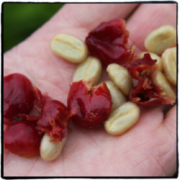
A specialty coffee bean isn’t just a bean—it’s the seed inside a fruit. The coffee cherry (also called CoffeeCherry) looks similar to a small red cherry. When unripe, it’s green; it turns yellow as it ripens further, and red when fully mature. At maturity, the cherry is sweet and edible, but it’s the seed inside that we roast and brew.
The coffee seed is protected by several layers: the outer skin or exocarp, the fruity pulp or mesocarp, the sticky mucilage, the parchment layer (called Parchment), and finally, a thin silvery film known as the Silver Skin. All these layers must be meticulously removed during processing to avoid damaging the bean and to ensure high-quality green coffee.
Coffee Bean Types and Processing Terms
Specialty coffee beans go by many names depending on their stage in the journey:
- Green Bean or Raw Bean: Unroasted coffee beans straight from processing.
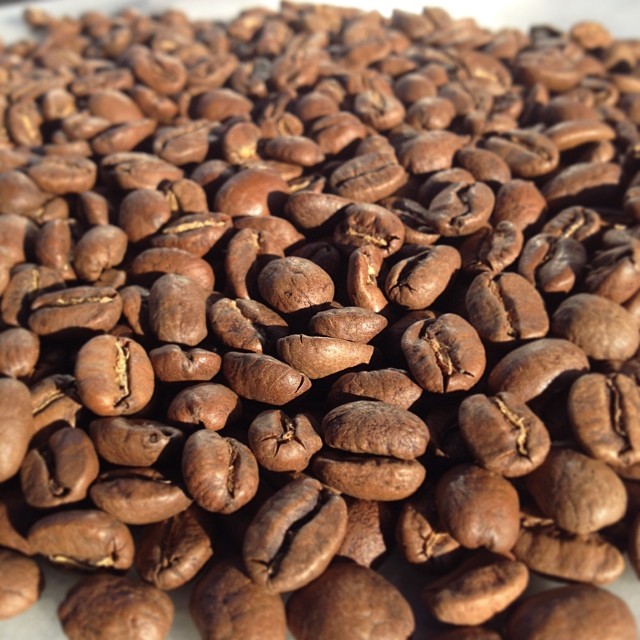
- Roast Bean or Roasted Bean: Beans that have been roasted and are ready for brewing or grinding.
- Current Crop: Coffee beans recently harvested and delivered to market.
- New Crop: First-year beans after harvest, often bright and vibrant in flavor.
- Past Crop: Beans from the year before, with slightly mellower characteristics.
- Old Crop: Coffee stored for too long, often losing vibrancy—distinct from Aged Bean.
- Aged Bean: Rare beans, often stored intentionally for months or years under controlled conditions to develop deeper flavors. More on that below.
Round Beans (Peaberry) and Aged Coffee
One notable variation in specialty coffee is the peaberry, or round bean, which sometimes occurs in varieties like those from Tanzania. In a typical coffee cherry, you’ll find two seeds facing each other, but in peaberries, a genetic mutation causes only one rounded seed to form. These round beans are often denser, with a more concentrated flavor and better body. Because of their unique profile, they are sometimes separated and aged intentionally to create Aged Beans—a rare, prized product with deeper complexity. Proper removal of the fruit layers is essential in producing any high-grade coffee bean, especially these specialty types.
Flavor Differences Across Bean Age
The age of green coffee beans significantly affects their flavor when brewed:
- New Crop Beans tend to be bright, lively, and aromatic, often showcasing floral notes and vibrant acidity.
- Past Crop Beans are more mellow, with deeper body and smoother acidity.
- Old Crop Beans can taste faded or dull if stored improperly, lacking the punch of freshness.
- Unlike Old Crop, Aged Beans are deliberately stored to develop complexity over time—not simply forgotten in storage.
Proper storage is crucial. While green beans can be kept for years without spoiling, poor conditions lead to flavor loss or the development of off-notes. Freshness matters—but so does intentional aging, when done right.
Frequently Asked Questions
What is a coffee cherry?
A coffee cherry is the fruit of the coffee plant, containing the coffee bean (seed) inside. It starts green, turns yellow, and ripens to red. The cherry is sweet and edible when mature, but the seed is what’s roasted to make coffee. It’s surrounded by layers including pulp, mucilage, parchment, and silver skin—all of which are removed during processing.
What’s the difference between a green bean and a roasted bean?
A green bean is an unroasted, raw coffee seed ready for roasting. A roasted bean has been heated to develop flavor and aroma and is ready to brew. Green beans store longer, while roasted beans are best used within weeks to months for peak freshness.
What are peaberry coffee beans?
Peaberry beans, also called round beans, occur when a coffee cherry produces a single, rounded seed instead of two flat ones. They’re often denser and have more concentrated flavors. Tanzania is known for producing notable peaberries, which some roasters age intentionally for added complexity.
What is an aged coffee bean?
An aged coffee bean is one stored intentionally for months or years under controlled conditions to develop deeper, mellower flavors. It’s not the same as an old crop bean, which is simply old storage. Aged beans are rare and considered premium.
How does the age of coffee beans affect flavor?
New crop beans are bright and acidic, with strong aromas. Past crop beans are smoother and mellower. Old crop beans can lose flavor if stored poorly. Aged beans, when stored properly, develop richer, more complex profiles over time.
What are the layers of a coffee cherry?
The coffee cherry has several layers: the skin (exocarp), pulp (mesocarp), mucilage, parchment (parchment layer), and silver skin (silverskin). The coffee bean is the seed inside, protected by all these layers, which must be removed carefully during processing.
Recommended FrontStreet Beans for Learning Coffee Origins
Explore the traits of fresh and aged coffees with FrontStreet’s Ethiopia Yirgacheffe, known for its floral brightness and citrus notes, and Tanzania Peaberry, which highlights the round bean’s dense body and rich aroma. For contrast, try FrontStreet’s Brazil Yellow Bourbon, a classic example of a past crop bean with low acidity and heavy sweetness. These beans showcase how processing, origin, and bean type shape your cup. Freshly roasted within 5 days · Orders placed before 17:00 ship the same day · Next-day delivery across most of Guangdong Province.
FrontStreet Coffee is a long-established specialty coffee roaster in Guangzhou China, selling freshly roasted beans from its own farm in Yunnan as well as dozens of carefully selected single-origin beans from around the world for both pour-over and espresso. The products deliver consistently excellent quality and great value, with shipping within 24 hours. Guangzhou's FrontStreet Coffee shop is recommended by many coffee lovers, and the beans are now available online at the Tmall 。
Important Notice :
前街咖啡 FrontStreet Coffee has moved to new addredd:
FrontStreet Coffee Address: 315,Donghua East Road,GuangZhou
Tel:020 38364473