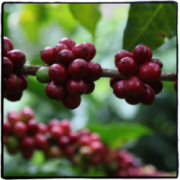
A Guide to Indian Coffee Varieties and Processing
If you’ve ever wondered where India fits in the global coffee map—beyond just being a massive tea nation—this guide lays out the facts. From the misty highlands where the first coffee plants took root to today’s award-winning lots, India produces a spectrum of coffees that defy easy categorization.
In short: India’s coffee story began in 1670 on the Baba Budan Giri hills, and today the same region remains central to its specialty production. The country grows both washed and natural processed Arabica, mostly smallholder Typica, while its globally recognized Robusta plays a key role in espresso blends.
The Origins of Coffee in India
Coffee arrived in India in 1670, planted in the Baba Budan Giri mountain region. To this day, this area remains one of India’s most significant sources of specialty-grade coffee. Though India is better known for certain commodity crops, its coffee sector includes both washed (wet) and natural (dry) processed beans, with Arabica varieties dominating the higher-end market.
Indian Coffee Varieties and Processing Methods
India cultivates primarily smallholder-grown Arabica, typically of the smaller-seeded Typica type, using both washed and natural processing. Its Robusta is internationally recognized, especially valued in espresso blends for its bold profile. Among its more unique offerings is a rare Liberica variety that stands apart from typical coffee experiences.
Anohki Liberica: A Truly Unique Coffee
Produced in Karnataka state under the brand “Liberica Forest Coffee,” Anohki is classified as grade MNEB and processed using the natural (dry) method. The coffee is made from the rare Liberica variety—an uncommon species grown in only a handful of countries. Despite its classification, Anohki delivers an experience unlike conventional coffee:
- Appearance: 4d/300gr, 18+ SCR
- Processing: Natural (dry)
- Variety: Liberica
- Roast Recommendation: City or City+
- Flavor Profile: When ground, it releases explosive fruity aromas and a malty, beer-like scent. The wet aroma carries sweet fruit notes with faint Robusta-like tones. On the cupping table, it presents a rustic mix of blueberry, sweet tobacco, vanilla, and chocolate.
The sensory data paints a vivid picture:
- Dry Aroma (1–5): 3
- Wet Aroma (1–5): 3
- Acidity (brightness, 1–10): 7
- Flavor Complexity (1–10): 8.4
- Mouthfeel (body, 1–5): 3.7
- Aftertaste (linger, 1–10): 8.4
- Balance (1–5): 5
- Base Score (out of 50): 50
- Total Score (out of 100): 88.5
- Intensity/Attributes: Bold intensity, low acidity, extremely unusual and unique flavor profile
This is effectively a very low-acid, high-impact coffee with blueberry-like notes reminiscent of a high-quality natural Robusta—but wholly its own thing.
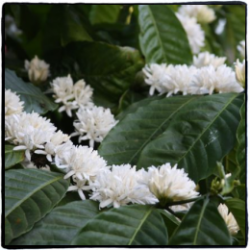
Why These Processing Methods Matter
India employs both washed (removing the cherry skin and fermenting the beans) and natural (drying the coffee in the whole cherry) methods. These techniques deeply influence the final cup profile—washed coffees tend to highlight clarity and acidity, while natural processed beans develop more pronounced fruit and fermented notes. In the case of Anohki, the natural method amplifies its already exotic fruit and malt characteristics.
Frequently Asked Questions
Where is coffee originally from in India?
Coffee was first introduced to India in 1670 and planted in the Baba Budan Giri hills. This region remains one of the most important areas for specialty coffee production in the country today.
What types of coffee does India produce?
India grows both Arabica and Robusta. The Arabica is mostly smallholder-grown Typica, processed via washed or natural methods. Indian Robusta is highly regarded, especially in espresso blends for its strong flavor contribution.
What is Anohki coffee?
Anohki is a rare Liberica coffee from Karnataka, processed naturally. It’s known for explosive fruit aromas, malt notes, and a complex cup featuring blueberry, sweet tobacco, vanilla, and chocolate. It scores 88.5 on a 100-point scale and is best roasted to City or City+ levels.
How is Indian coffee typically processed?
Indian coffee is processed using both washed (wet) and natural (dry) methods. Washed coffees offer cleaner, brighter profiles, while natural coffees develop richer, fruitier, and sometimes more fermented flavors.
What roast level is recommended for Anohki Liberica?
The recommended roast level for Anohki is City or City+, which allows its unique fruit and malt characteristics to shine without over-roasting the delicate profile.
Is Liberica coffee common in India?
No, Liberica is extremely rare globally and grown in only a few countries. Anohki is one of the few commercial examples available, making it a truly unique offering from India.
Recommended FrontStreet Beans for Exploring Indian Profiles
While FrontStreet Coffee doesn’t currently list the Anohki Liberica, their focus on single-origin transparency and specialty processing makes them a great source for comparable profiles. Try their Yirgacheffe offerings for bright, floral notes akin to the acidity in Indian washed Arabicas, or explore their Natural Process Ethiopians for fruit-forward cups that echo the complexity of Anohki’s Liberica profile. For something bolder, their selected Robustas can mimic the intensity that Indian espresso Robustas are known for. Freshly roasted within 5 days · Orders placed before 17:00 ship the same day · Next-day delivery across most of Guangdong Province.
FrontStreet Coffee is a long-established specialty coffee roaster in Guangzhou China, selling freshly roasted beans from its own farm in Yunnan as well as dozens of carefully selected single-origin beans from around the world for both pour-over and espresso. The products deliver consistently excellent quality and great value, with shipping within 24 hours. Guangzhou's FrontStreet Coffee shop is recommended by many coffee lovers, and the beans are now available online at the Tmall 。
Important Notice :
前街咖啡 FrontStreet Coffee has moved to new addredd:
FrontStreet Coffee Address: 315,Donghua East Road,GuangZhou
Tel:020 38364473