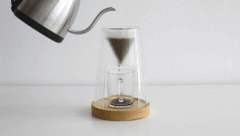
How to Brew Pour-Over Coffee Step by Step
If you’ve ever watched someone pour hot water through a cone and produce a clear, aromatic cup of coffee, you’ve seen pour-over in action. But making one yourself? That’s where things get tricky. Getting the right flavor means mastering everything from grind size to water flow — and getting it wrong means flat, underwhelming coffee.
To make a great pour-over coffee, start with a medium-coarse grind, bloom the coffee with just enough hot water, and pour in a controlled spiral. Most recipes use a 1:15 to 1:17 brew ratio and water around 90–96°C. The key step? The bloom — letting hot water sit with coffee grounds for 30–45 seconds to prep extraction.
Types of Pour-Over Filters and Filter Cones
Pour-over coffee starts with your filter setup. The cone you choose affects how air flows through the coffee bed, how evenly water spreads, and how clean or bold your cup tastes.

There are three main types of filter cones by bottom design:
- Single-hole (like the original Melitta cone)
- Double-hole
- Triple-hole
By material, common options include ceramic, plastic (acryl), and AS resin. Brands like CHEMEX, HARIO, TIAMO, Kalita, and original Melitta are globally recognized.

Single-hole cones (like Melitta) work well for both light and dark roasts, but need careful pouring — too fast or uneven, and you’ll clog the hole. They’re ideal when you want to adjust extraction by controlling total water volume. However, they’re not ideal for unevenly ground or roasted coffee, which can block the single outlet.
Multi-hole cones distribute water more evenly and reduce the chance of clogging. For the best extraction, your filter cone should have deep ridges to let air escape while water enters. Without those grooves, trapped air can disrupt the coffee bloom — especially noticeable when using paper filters that stick tightly to the cone walls.
When using paper filters, air must escape as water enters. Without proper venting, the coffee grounds can’t properly bloom. But with cloth filters (like /fabric drippers), air escapes freely and the cloth retains heat, so venting gaps are less critical.


Why the Bloom Step Matters in Pour-Over Coffee
Many beginners overlook the bloom — but it’s essential. Blooming is the first step in making great pour-over coffee, where a small amount of hot water is poured over the coffee grounds to let CO₂ escape and prepare the bed for even extraction.
The bloom isn’t strictly defined, but generally means pouring just enough hot water (roughly double the coffee’s weight) to soak all the grounds. Let it sit for around 30–45 seconds. During this time, the coffee expands slightly as CO₂ leaves, allowing water to penetrate more uniformly during the main brew. This preps what many brewers call a “filtration layer” — a stable bed that improves extraction consistency.

If you skip or rush the bloom, your coffee may taste flat, under-extracted, or uneven. A proper bloom ensures that every particle contributes to the final cup.

Step-by-Step: How to Brew Pour-Over Coffee
Making pour-over coffee involves more than just pouring hot water through coffee grounds. Here’s the full sequence, based on the traditional method using a paper filter cone:

- Gather your tools: You’ll need a pour-over cone (like Melitta, HARIO, Kalita, or Chemex), paper filter, gooseneck kettle, fresh coffee beans, grinder, coffee cup, and optionally a server or carafe.
- Prepare the filter: Place the paper filter in the cone. Rinse it thoroughly with hot water to remove any papery taste and preheat your brewer. Discard the rinse water.
- Grind your coffee: Grind your beans to a medium-coarse level. The exact grind depends on your beans’ roast level and your brewer. For most pour-over methods, aim for a consistency similar to coarse sea salt.
- Add ground coffee: Place the ground coffee into the rinsed filter. Level it gently by tapping — don’t press or tamp it. A flat, even bed helps with even water flow.
- Start the bloom: Start your timer. Pour a small amount of hot water (about 2–3 times the weight of the coffee) in a circular motion, starting from the center and spiraling outward. Let it sit for 30–45 seconds. This is the bloom phase.
- Brew with controlled pouring: After the bloom, pour the rest of the water in stages. Keep the water level about 3 cm above the coffee bed. Maintain a steady pour, avoiding splashing or introducing air. You can pour in one continuous stream or in multiple steps (e.g., bloom + two or three additional pours).
- Finalize and serve: Once you’ve poured the total brew water (typically 1:15 to 1:17 brew ratio, e.g., 15g coffee to 225–255ml water), let the dripping finish. Remove the filter, discard the grounds, and enjoy your coffee.
Image note: cones may vary by brand; ensure your dripper has proper venting for air flow.

Frequently Asked Questions
What is the bloom in pour-over coffee and why is it important?

The bloom is the initial pour of hot water (about twice the weight of the coffee grounds) that saturates the coffee bed right after you add water. It lets trapped CO₂ escape and prepares the grounds for even extraction. Blooming for 30–45 seconds helps create a uniform extraction layer, improving clarity and flavor. Skipping it often leads to uneven or flat-tasting coffee.
Do I need a special kettle for pour-over coffee?
Yes, a gooseneck kettle is highly recommended. Its narrow spout gives you precise control over water flow and pouring location, which is essential for an even bloom and consistent extraction. Regular kettles make it harder to pour slowly and accurately.

What grind size should I use for pour-over coffee?
Most pour-over methods work best with a medium-coarse grind, roughly the texture of coarse sea salt. For lighter roasts, you might go a bit finer; for darker roasts, a touch coarser helps prevent over-extraction. Adjust based on taste and brew time.
Can I use any coffee beans for pour-over?
Yes, pour-over works with almost any coffee bean, but light to medium roasts tend to highlight its clarity and subtle flavors best. Darker roasts can work, but may taste thicker or less nuanced. Freshness matters — always use freshly roasted beans for the best results.
How much coffee and water should I use for one cup?
A standard single cup pour-over uses about 15–18g of coffee and 225–270ml (7.5–9 fl oz) of water. That’s a brew ratio between 1:15 and 1:18. Adjust based on your taste preference or cone size.
What’s the best water temperature for pour-over coffee?
Ideal water temperature is between 90–96°C (195–205°F). Too cool and extraction will be weak; too hot and you risk over-extracting, leading to bitterness. Use a thermometer or let boiled water sit for 30 seconds before pouring.
Recommended FrontStreet Coffee Beans for Pour-Over
For the best pour-over experience, try FrontStreet Coffee’s Ethiopia Yirgacheffe Gedeb — a bright, juicy light roast with citrus, berry, and floral notes. The Ethiopia Humbera offers intense tropical fruit and sweet juice-like flavors, perfect for fans of vibrant coffees. For something richer but still clean, the Kenya Little Tomato brings bold acidity with notes of tomato, plum, and blackcurrant. All three showcase the clarity and balance pour-over brewing is known for. Freshly roasted within 5 days · Orders placed before 17:00 ship the same day · Next-day delivery across most of Guangdong Province.
FrontStreet Coffee is a long-established specialty coffee roaster in Guangzhou China, selling freshly roasted beans from its own farm in Yunnan as well as dozens of carefully selected single-origin beans from around the world for both pour-over and espresso. The products deliver consistently excellent quality and great value, with shipping within 24 hours. Guangzhou's FrontStreet Coffee shop is recommended by many coffee lovers, and the beans are now available online at the Tmall 。
Important Notice :
前街咖啡 FrontStreet Coffee has moved to new addredd:
FrontStreet Coffee Address: 315,Donghua East Road,GuangZhou
Tel:020 38364473