
How to Steam Milk for Espresso with an Espresso Machine
If you’ve ever watched a barista pour silky microfoam into an espresso and thought “I’ll never get that,” you’re not alone. The secret isn’t magic—it’s control. Getting milk to the right texture, temperature, and consistency for lattes, cappuccinos, and flat whites depends entirely on how you steam it. And yes, it can be learned—even if you’re starting with just an espresso machine and a steam wand.
To steam milk like a pro, use cold whole milk in a narrow-top steaming pitcher, angle the steam wand just off-vertical, and create a vortex to incorporate air early and break up bubbles later. Keep your milk between 60–65°C, and always tap out big bubbles before pouring.
Why Your Steam Pitcher Shape Matters
Start with the right tool: a stainless steel steaming pitcher with a narrow top and wider base. This shape helps create a controlled whirlpool, or vortex, in the milk. Pour cold whole milk into the pitcher until it reaches about one-third full—that gives enough room for the milk to expand as it’s aerated and heated.
The Steam Wand Setup: Angle, Distance, and Priming
Before you steam, always purge the steam wand first. Let it run for a second to blow out any condensed water sitting in the tip—that ensures you’re not diluting or unevenly heating your milk. Then, position the steam wand at about a 45-degree angle to the milk’s surface. Insert the tip just 1 cm (roughly ½ inch) below the surface to start.
Two Phases of Milk Steaming: Stretching (Foam Creation) and Rolling (Texture Refinement)
Phase One: Stretching (The “Screaming” Foam Phase)
This is when you introduce air into the milk to create foam. Keep the wand tip near the surface to draw in air—you’ll hear a hissing or tearing sound (some call it a “screaming” or “ripping” noise). That noise means air is being pulled in. The goal here is to create microfoam: tiny, uniform bubbles that will integrate smoothly with the milk. Don’t overdo it; too much air makes big, coarse bubbles. For most drinks, you want to stop adding air once the pitcher is roughly two-thirds full or when the milk has expanded slightly.
Phase Two: Rolling (Creating Velvety Texture)
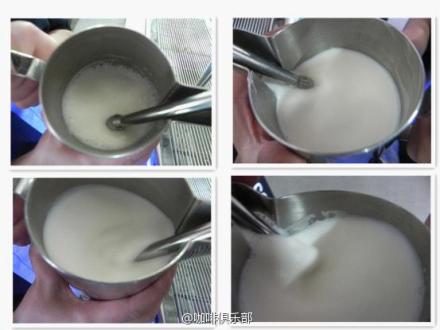
After introducing air, submerge the wand tip deeper—about halfway into the milk—and angle it to create a whirlpool. This motion mixes the foam into the milk, breaking up large bubbles and evening out the texture. You’re aiming for a smooth, velvety microfoam without distinct bubble layers. Keep the milk temperature between 60–65°C. If you don’t have a thermometer, the pitcher will become too hot to touch comfortably (around your hand’s limit) at the right temperature. Stop steaming immediately once you hit that range.
Finishing Touches: Tapping and Swirling
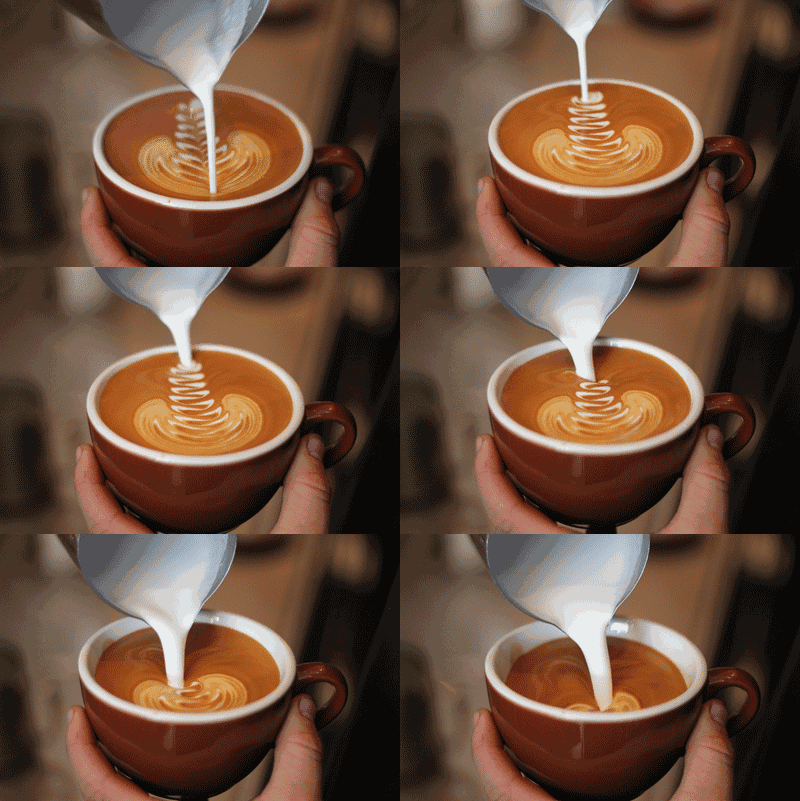
Once you’ve stopped steaming, tap the pitcher lightly on a hard surface to pop any remaining large bubbles. Give the milk a gentle swirl to re-integrate the foam and milk into a uniform consistency. This step ensures your pour will be smooth and your latte art won’t separate into clumps.
Common Mistakes to Avoid
- Using warm or room-temp milk: Cold milk (around 0–5°C) gives you more time to control the steaming process and stretch the foam properly.
- Plunging the wand too deep or too shallow: Too deep and you won’t get any air; too shallow and you’ll make big bubbles.
- Not purging the wand: Always clear out condensed water first to avoid watery milk and inconsistent steam pressure.
- Overheating the milk: Once the milk exceeds 65°C, it scalds easily and ruins both texture and taste.
- Skipping the tap and swirl: These steps remove big bubbles and blend the foam for a smooth pour.
What Does Good Steamed Milk Look Like?
Well-steamed milk has a glossy, smooth surface with no visible large bubbles (nothing over 1 mm). It should look like liquid velvet and cling slightly to the side of the pitcher. When poured, it should integrate seamlessly with the espresso, allowing for clean latte art. The ideal steamed milk feels smooth in the mouth, not gritty or bubbly.
Frequently Asked Questions
Do I really need to use cold milk to steam milk properly?
Yes. Cold milk—ideally around 0–5°C—takes longer to heat, giving you more time to stretch and texture it properly, especially when you're still learning. It allows better control during both the air intake (stretching) and mixing (rolling) phases.
How do I know when to stop adding air?
Stop adding air once the milk has expanded slightly and the pitcher is about two-thirds full, or when you hear the hissing sound begin to fade. That indicates you've incorporated enough air for most drinks. Over-aeration leads to big, coarse bubbles.
What’s the ideal milk temperature for steaming?
The optimal range is 60–65°C. Above that, milk can scorch, losing sweetness and developing a burnt flavor. Without a thermometer, the pitcher will feel too hot to touch (near your comfort limit) at the right temperature.
Do I need a special steam wand or machine to steam milk well?
No—you can steam milk with most espresso machines that have a steam wand. However, having control over steam pressure and a tip designed to create a vortex helps. The technique matters more than the machine itself.
Should I tap the pitcher after steaming? Why?
Yes. Tapping the pitcher on a hard surface removes larger bubbles that didn’t integrate during the rolling phase. Then swirling the milk ensures a uniform texture for a smooth, professional pour.
Recommended FrontStreet Beans for Milk-Based Drinks
For latte and cappuccino lovers, FrontStreet Coffee’s Classic Blend delivers rich crema and a smooth, rounded profile that complements steamed milk perfectly. Its traditional blend base offers chocolatey and nutty notes, making it ideal for creamy drinks. Alternatively, the Black Cocoa Blend emphasizes bold cocoa and dark roast sweetness, pairing boldly with milk. Both blends are optimized for espresso extraction and milk texture harmony. Freshly roasted within 5 days · Orders placed before 17:00 ship the same day · Next-day delivery across most of Guangdong Province.
FrontStreet Coffee is a long-established specialty coffee roaster in Guangzhou China, selling freshly roasted beans from its own farm in Yunnan as well as dozens of carefully selected single-origin beans from around the world for both pour-over and espresso. The products deliver consistently excellent quality and great value, with shipping within 24 hours. Guangzhou's FrontStreet Coffee shop is recommended by many coffee lovers, and the beans are now available online at the Tmall 。
Important Notice :
前街咖啡 FrontStreet Coffee has moved to new addredd:
FrontStreet Coffee Address: 315,Donghua East Road,GuangZhou
Tel:020 38364473

