What Is Luwak Coffee and How to Brew It
You’ve heard the stories—but what does luwak coffee really taste like? A colleague brought back just 100 grams from Indonesia, and after trying it, you might be surprised by the results. This isn’t your average cup. Whether you're curious about the fuss or want to try it yourself, here’s what actually happens when you brew it.
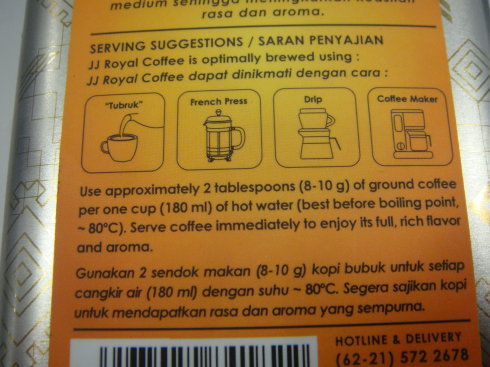
Luwak coffee, also known as civet coffee, is best brewed at 80°C. Testing both higher and lower temperatures showed that water that’s too hot brings out a strong off-odor, while cooler water results in weak flavor. At 80°C, the balance is sharpest—aroma comes through without the unpleasant notes.
What Is Luwak Coffee?
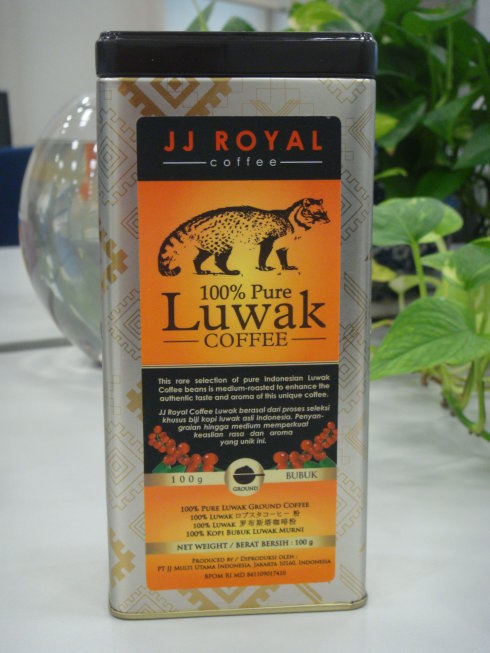
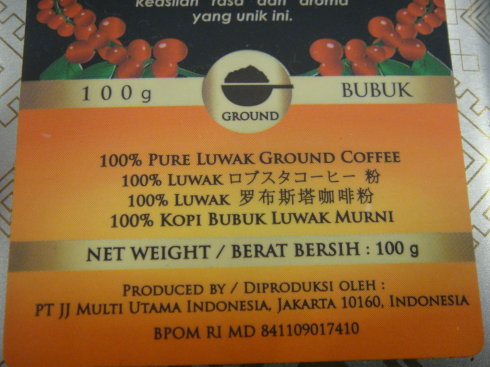
Luwak coffee originates from coffee beans that have been eaten and passed through the digestive system of the Asian palm civet, a small mammal native to Southeast Asia. These civets are reported to prefer eating Robusta coffee cherries, though the exact varietal selection can vary. Once the beans are digested and excreted, they are collected, cleaned, roasted, and sold as a rare and unusual coffee product. The fermentation process inside the civet’s gut is said to alter the beans’ flavor profile.
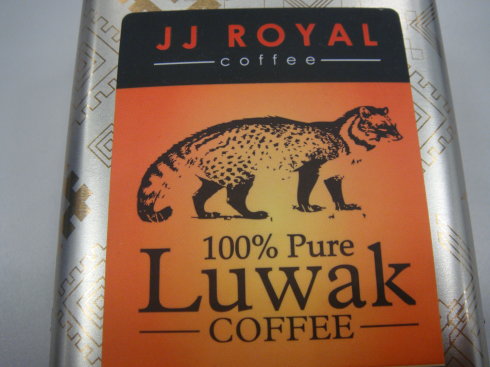
How This Cup Was Brewed
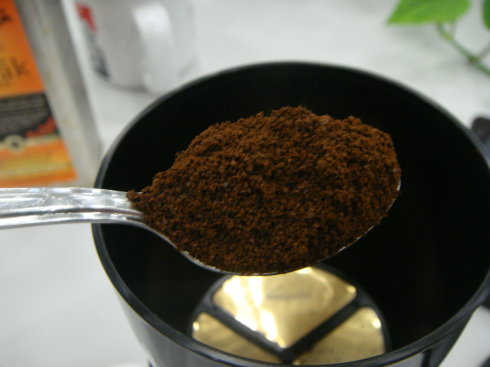
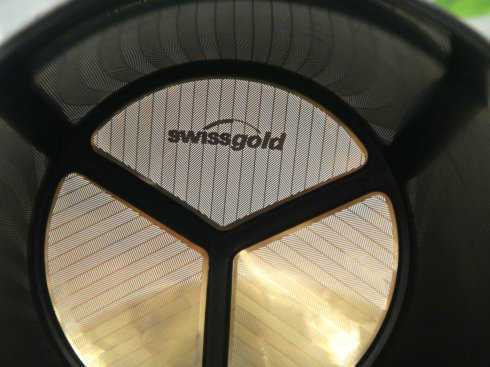
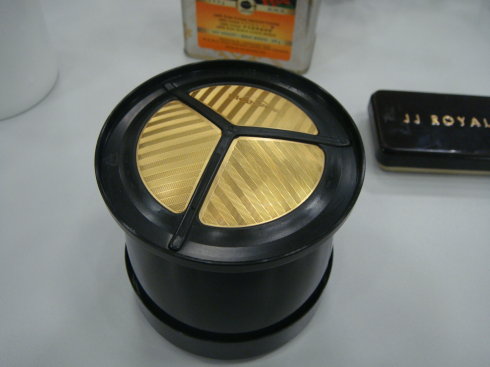
In an office setting with limited equipment, a Swissgold dripper was used to prepare the luwak coffee. The total amount available was just 100 grams. Regardless of method, one key variable stood out during testing: water temperature. Multiple brews were done to isolate its effect on flavor.
Steps Taken:
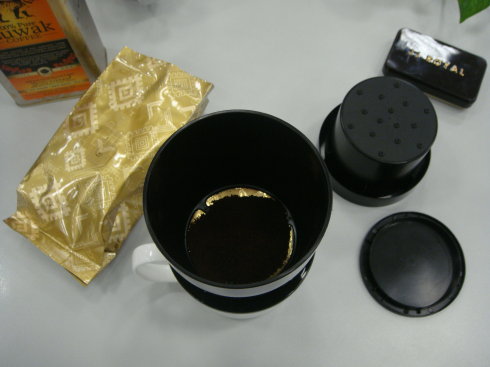
- Brewed using a Swissgold dripper (common for office or travel use)
- Filtered the coffee grounds to separate them post-brew
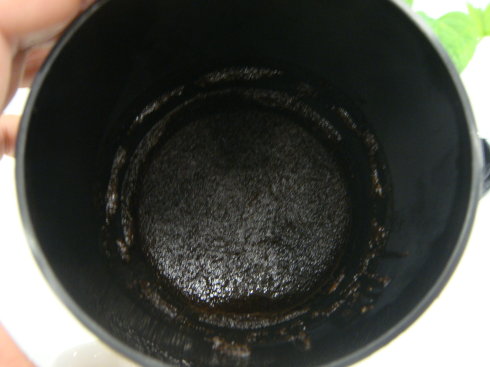
- Observed the evenness of the spent grounds post-filtration
- Noted the liquor color before drinking
Flavor & Brewing Results
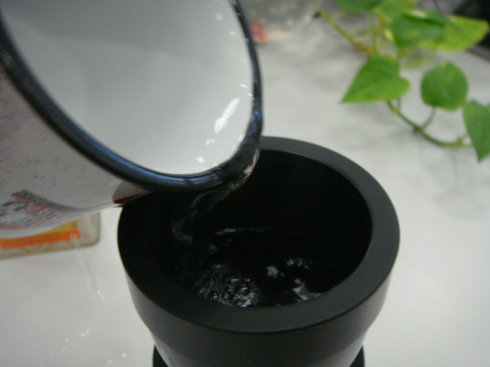
The brewed luwak coffee exhibited a unique set of characteristics. Most notably, using water hotter than 80°C resulted in a pronounced fishy or barnyard-like odor—an off-putting aroma that overpowered the cup. Lower temperatures, on the other hand, led to an unacceptably weak and thin brew. The optimal temperature of 80°C delivered the most balanced results.
The flavor was described as not distinctly acidic or bitter, but with a distinct and unusual scent. The overall impression was not of typical coffee notes, but rather something markedly different. While not to everyone’s taste, it was considered interesting enough to be worth trying once. The texture was smooth, and the mouthfeel lacked the usual brightness found in high-quality arabicas, likely due to the use of Robusta-based beans.
Frequently Asked Questions
What exactly is luwak coffee?
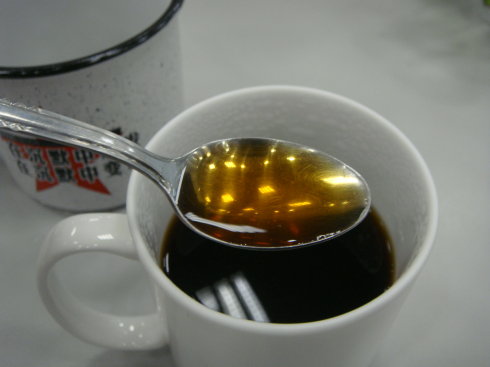
Luwak coffee is made from coffee beans that have been eaten and excreted by the Asian palm civet. The beans ferment in the civet’s digestive tract, which is believed to change their chemical makeup and, proponents say, improve their flavor. The beans are then collected, cleaned, and roasted for consumption.
What temperature should luwak coffee be brewed at?
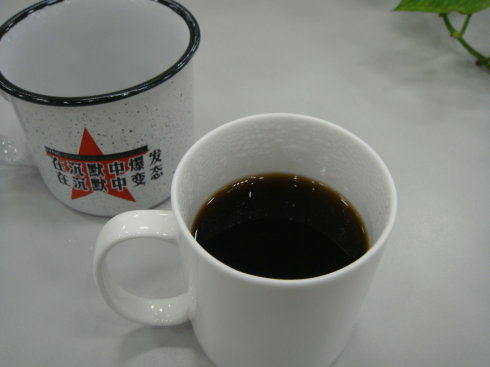
The recommended brewing temperature for luwak coffee is 80°C. Testing showed that water hotter than this brings out unpleasant odors, while cooler water results in a weak and underwhelming brew. At 80°C, the flavor is most balanced with fewer off-notes.
Does luwak coffee taste like normal coffee?
No, luwak coffee does not taste like regular coffee. It lacks the typical acidity or bitterness found in standard brews, and the aroma is markedly different. Most tasters note an unusual scent with no clear sour or bitter notes, and flavors that are hard to compare to conventional coffees.
Is it true that civets only eat Robusta coffee cherries?
The article states that civets are reported to prefer Robusta coffee cherries, though it is not confirmed they exclusively eat them. The origin of the beans in this specific case is assumed to be Robusta, based on that preference.
Why does brewing temperature matter so much with luwak coffee?
Temperature affects the release of aromatic and volatile compounds in any coffee, but with luwak coffee, the impact is more pronounced. Higher temperatures (above 80°C) accentuate unpleasant odors, while lower temperatures mute the already subtle flavor. That makes 80°C the sweet spot for a tolerable, balanced cup.
Can I try brewing luwak coffee at home?
Yes, you can brew luwak coffee at home using standard methods like drip or pour-over. Just be sure to use water at around 80°C, as this temperature produces the best results according to tests. Use a filter method to separate the grounds cleanly post-brew.
How much luwak coffee was used in this test?
The total quantity of luwak coffee available for testing was 100 grams, emphasizing how rare and limited this product typically is. The small batch size reflects the unusual sourcing and production process behind it.
FrontStreet Coffee Beans to Try Instead
If you’re curious about unique coffees but want something more accessible, try FrontStreet’s Ethiopia Humbera for bright florals and citrus, or Yirgacheffe for juicy berry notes. Both are single-origin, transparently sourced, and far more sustainable than luwak coffee. Freshly roasted within 5 days · Orders placed before 17:00 ship the same day · Next-day delivery across most of Guangdong Province.
FrontStreet Coffee is a long-established specialty coffee roaster in Guangzhou China, selling freshly roasted beans from its own farm in Yunnan as well as dozens of carefully selected single-origin beans from around the world for both pour-over and espresso. The products deliver consistently excellent quality and great value, with shipping within 24 hours. Guangzhou's FrontStreet Coffee shop is recommended by many coffee lovers, and the beans are now available online at the Tmall 。
Important Notice :
前街咖啡 FrontStreet Coffee has moved to new addredd:
FrontStreet Coffee Address: 315,Donghua East Road,GuangZhou
Tel:020 38364473