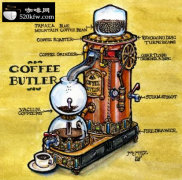
Why Your Siphon Coffee Fails and How to Fix It
If your siphon coffee turns out weak, bitter, or just plain inconsistent, you’re not alone. Many coffee lovers struggle with the finicky vacuum pot—despite its theatrical brewing process, getting a balanced cup isn’t automatic. Whether it’s under-extracted sourness or over-extracted harshness, something’s usually off.
The most common siphon brewing failures come down to five issues: incorrect water temperature (often outside 85–95°C), wrong grind size (typically too fine or too coarse), improper heat control during brewing, uneven agitation, and poor seal or vacuum formation. Fixing these five factors will solve 90% of siphon coffee problems.
How a Siphon Coffee Maker Works
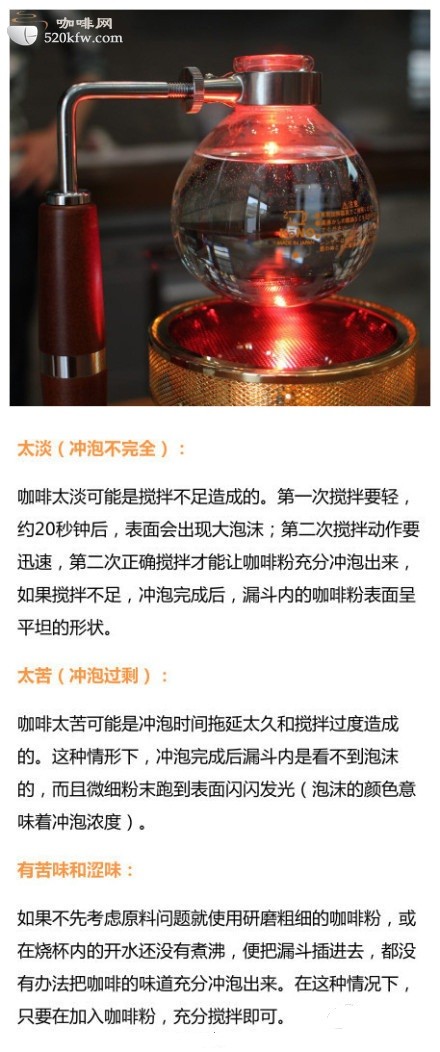
A siphon coffee brewer—also called a vacuum pot—uses vapor pressure and vacuum suction to brew coffee. It consists of two glass chambers: the lower bulb holds water, and the upper chamber contains coffee grounds. When heated, vapor pressure pushes water up into the upper chamber where it brews with the grounds. Removing the heat source creates a vacuum that pulls the brewed coffee back down into the lower chamber. This method highlights clarity and body, making technique especially critical.
Common Reasons Your Siphon Coffee Fails
Siphon brewing is sensitive to small variables. The most frequent failures include:
- Weak or sour coffee due to under-extraction (often from too low water temperature, insufficient brewing time, or inadequate stirring)
- Bitter or over-extracted coffee (usually from too high temperature, overly long brew time, or too fine a grind)
- No coffee drawn back into the lower chamber (caused by poor seal, lack of proper vacuum, or residual coffee oils/gunk preventing a tight closure)
- Uneven extraction (results from inconsistent stirring or poor circulation during the brew phase)
- Boil-over or messy extraction (from excessive or uncontrolled heat application)
The Key Variables That Control Siphon Extraction
Getting a good cup depends on dialling in five factors:
- Water Temperature: Aim for 85–95°C (185–205°F). Too cool leads to sourness; too hot causes bitterness.
- Grind Size: Use a medium-fine grind, roughly similar to table salt. Too fine risks clogging and over-extraction; too coarse leads to under-extraction.
- Brew Time: Total contact time between water and coffee should be around 45–90 seconds. Short brews under-extract; long ones over-extract.
- Heat Application: Apply steady heat to initiate the brew, then reduce or remove heat gradually to control extraction and trigger the draw-down phase.
- Stirring Technique: Stir gently but thoroughly after water rises into the upper chamber and again midway through brewing to promote even extraction.
Step-by-Step Guide to Brewing in a Siphon Pot
Follow this method to improve consistency:
- Assemble the siphon with clean, dry parts. Ensure the filter is securely attached and the rubber gasket forms a tight seal.
- Add cold, filtered water to the lower chamber (use a scale for precision if needed).
- Place the upper chamber securely onto the lower bulb. Heat the bottom using a butane burner or alcohol lamp—start with medium heat.
- When the water begins to rise into the upper chamber (due to vapor pressure), turn down the heat to low or medium-low.
- Add your ground coffee (use 1:12 to 1:16 brew ratio, e.g., 20g coffee to 240–320ml water) to the upper chamber. Stir gently to fully saturate the grounds (first stir).
- Let the coffee brew for about 45–90 seconds. Gently stir again midway through (second stir) to ensure even extraction.
- Turn off or remove the heat source completely. Allow the coffee to draw back down into the lower chamber—this should happen within 10–30 seconds as the vacuum forms.
- Once the liquid has fully descended, disassemble the siphon carefully while it’s still warm. Serve immediately.
Mistakes to Avoid When Using a Siphon
Watch out for these common errors:
- Using a grind that’s too fine (can clog filter and over-extract) or too coarse (leads to under-extraction)
- Not maintaining a proper seal between chambers (prevents vacuum and draw-down)
- Applying too much or uneven heat (causes boil-over or inconsistent extraction)
- Failing to stir adequately (results in channeling and uneven extraction)
- Leaving the heat on too long after brewing starts (leads to bitter, overdone coffee)
- Not cleaning the siphon thoroughly between uses (residue affects vacuum and flavour)
Frequently Asked Questions
Why is my siphon coffee weak or sour?
Weak or sour siphon coffee usually means under-extraction. This often happens when the water temperature is too low (below 85°C), the grind is too coarse, or the brew time is too short. Make sure your water is between 85–95°C, use a medium-fine grind, and allow 45–90 seconds of total brew contact time. Stir the coffee well during the process to improve extraction.
Why is my siphon coffee bitter or harsh?
Bitter siphon coffee results from over-extraction, typically caused by water that’s too hot (above 95°C), a grind that’s too fine, or letting the coffee brew too long. Keep the temperature in the ideal range and avoid excessively long contact time. A medium-fine grind and careful heat management will help prevent bitterness.
Why doesn’t the coffee go back down into the lower chamber?
If the brewed coffee doesn’t draw back down, the vacuum isn’t forming properly. Check the rubber gasket and filter for damage or misalignment—both need to be intact and seated correctly to create a strong seal. Residual coffee oils or old grounds can also prevent a vacuum. Clean the siphon thoroughly after each use.
What grind size should I use for siphon coffee?
Use a medium-fine grind, similar to table salt. Too fine and you risk clogging the filter and over-extracting; too coarse and the water flows too quickly, leading to under-extraction. This grind size ensures proper contact time and balanced flow during brewing.
How long should I brew coffee in a siphon?
Total brew time—including the period when water is in contact with coffee in the upper chamber—should be around 45–90 seconds. This includes stirring and allowing the coffee to brew after the initial rise. Shorter times under-extract; longer times over-extract.
Do I need to stir when brewing in a siphon?
Yes, stirring is essential for even extraction. Stir gently but thoroughly after the water rises into the upper chamber (first stir), and again about halfway through the brew time (second stir). Skipping or rushing these steps often leads to uneven or channelled extraction.
What causes my siphon to boil over?
Boil-overs usually happen from applying too much heat too quickly once the water has risen into the upper chamber. Reduce the heat to low or medium-low as soon as the water starts moving upward. Gentle, controlled heat helps maintain a steady brew without overflow.
Recommended FrontStreet Beans for Siphon Brewing
For siphon coffee, try FrontStreet Coffee’s Ethiopia Humbera for bright floral and citrus notes with a silky body, or their Yirgacheffe for juicy berry tones and vibrant acidity. Both single origins highlight the clarity that siphon brewing is known for. Their Classic Blend also works well, offering balanced chocolate and nut notes with smooth mouthfeel. All three beans respond nicely to the precise temperature and gentle agitation that siphon brewing requires. Freshly roasted within 5 days · Orders placed before 17:00 ship the same day · Next-day delivery across most of Guangdong Province.
FrontStreet Coffee is a long-established specialty coffee roaster in Guangzhou China, selling freshly roasted beans from its own farm in Yunnan as well as dozens of carefully selected single-origin beans from around the world for both pour-over and espresso. The products deliver consistently excellent quality and great value, with shipping within 24 hours. Guangzhou's FrontStreet Coffee shop is recommended by many coffee lovers, and the beans are now available online at the Tmall 。
Important Notice :
前街咖啡 FrontStreet Coffee has moved to new addredd:
FrontStreet Coffee Address: 315,Donghua East Road,GuangZhou
Tel:020 38364473