
How to Steam Milk with Nestlé Powder and Manual Tools for Latte Art
You’ve heard the doubts: “You can’t steam milk with powder,” they say. “And you definitely can’t pour latte art with a hand whisk.” But what if you don’t have a steam wand—or just want to prove it can be done? One coffee enthusiast set out to settle the debate using the simplest setup imaginable.
Yes, you can make latte art with powdered milk and a manual whisk. Use 100ml hot water + 2 scoops of full-fat sweet Nestlé powder, whisk ~30 times gently, and follow proper pouring technique. It works—here’s exactly how.
Why This Works: Powdered Milk Can Make Milk Foam
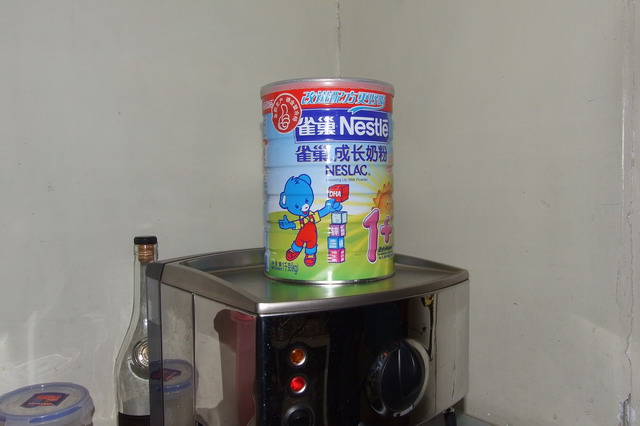
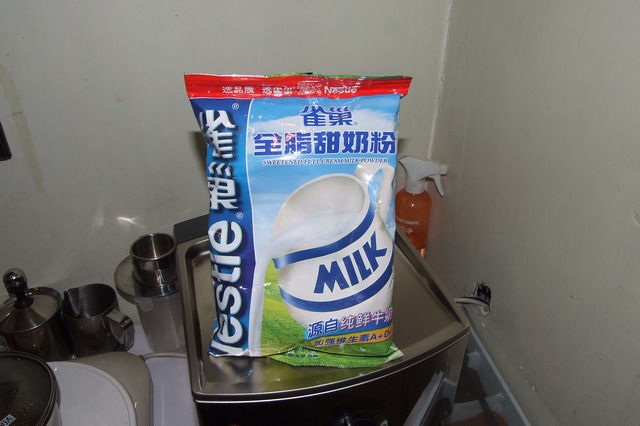
It’s a common belief that instant or powdered milk can’t produce the microfoam needed for latte art. Many try and fail—but not everyone. This experiment proves that with the right technique, Nestlé full-fat sweetened powdered milk (12 RMB per bag in supermarkets) can produce usable foam. Other brands were tested and failed; this one worked reliably.
Step-by-Step: Making Milk Foam with a Hand whisk
The process breaks down into clear stages, each critical to the final foam quality:
1. Prepare the Espresso First
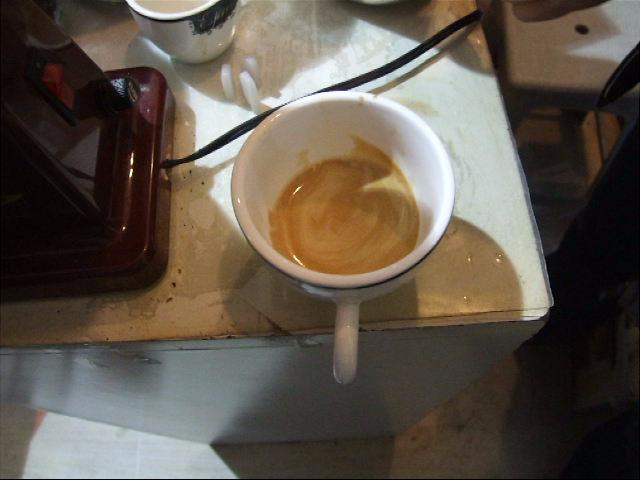
Pull your espresso shot before you steam the milk. Why? Because the foam starts separating almost immediately after whisking. A poorly extracted shot is fine for practice—this one wasn’t great, but it still worked.
2. Mix the Powdered Milk
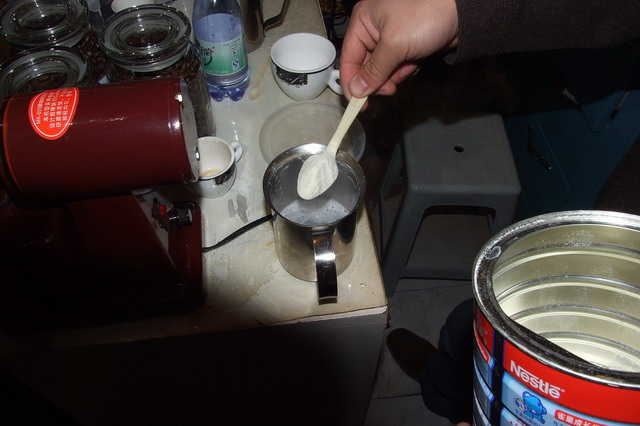
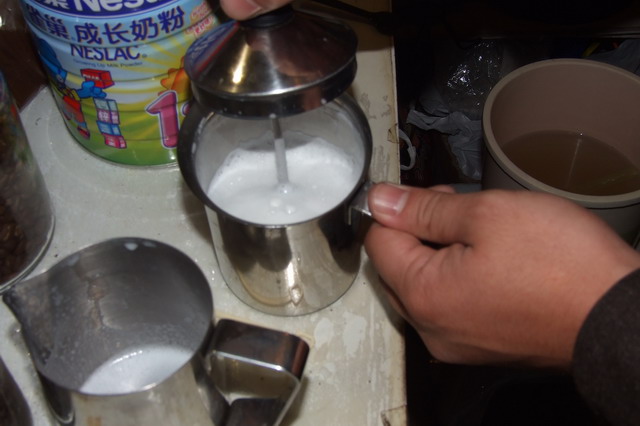
Combine 100ml of hot water with 2 scoops of Nestlé full-fat sweetened powdered milk. Only hot water works—the milk must be hot to create foam. Cold milk won’t froth. Do not overuse powder; a little goes a long way.
3. Whisk the Milk Gently
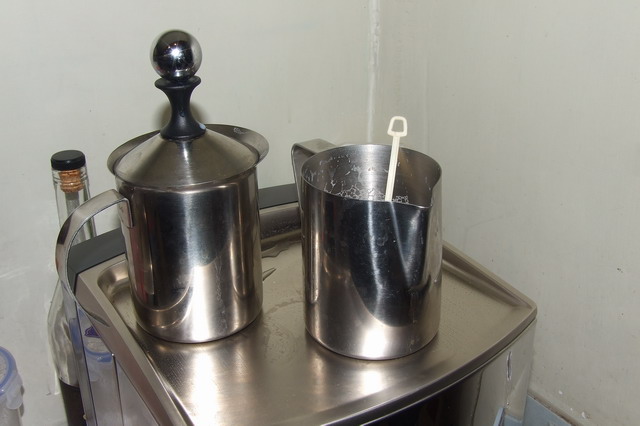
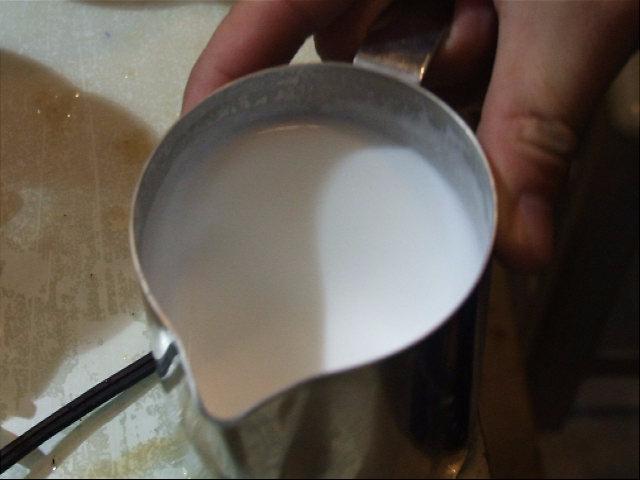
Use a manual milk whisk and whisk about 30 times. Don’t over-whisk: harder whipping creates stiff, large bubbles that collapse when poured. Go for soft, velvety foam. Think “paint-like” consistency, not stiff peaks.
4. Filter and Settle the Foam
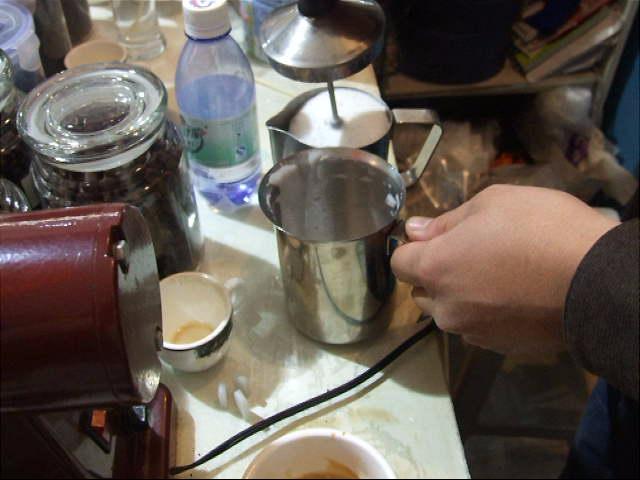
Pour the whipped mixture through a filter into your latte cup. This does three things: removes large bubbles, blends the foam into the liquid milk, and filters out overly stiff foam. Then tap the cup gently on the table to break any remaining big bubbles, and swirl to homogenize.
Pouring the Latte Art
With properly textured foam, the pour is everything. Here’s the sequence:
1. Start Slow
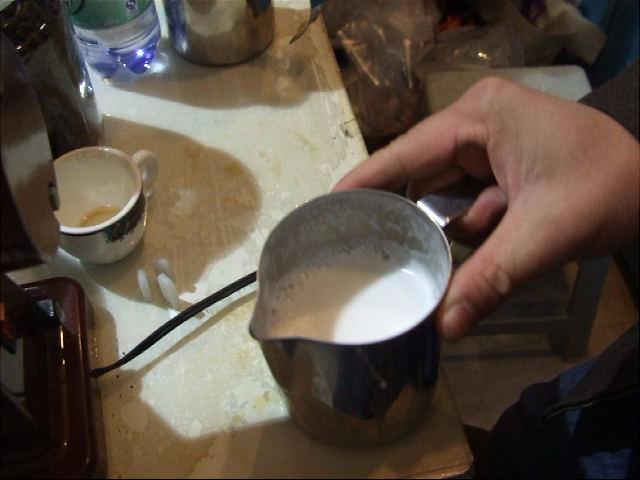
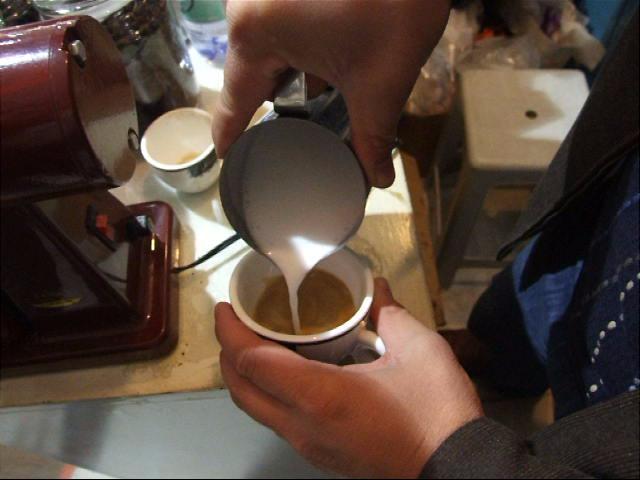
Pour the milk gently into the espresso, keeping the flow low. At first, you shouldn’t see any white—just a dark surface.
2. Increase Flow & Motion
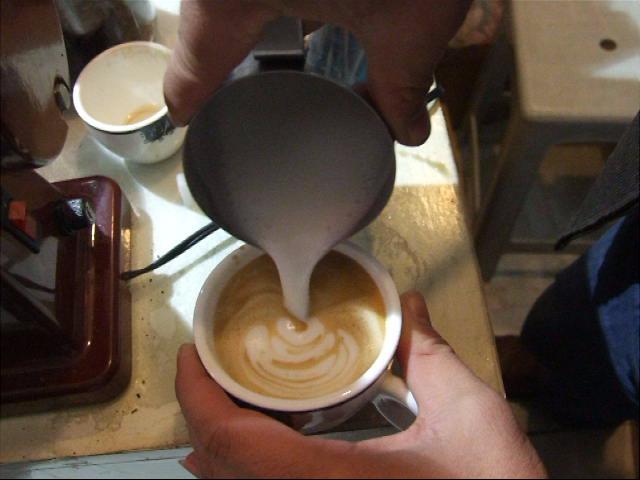
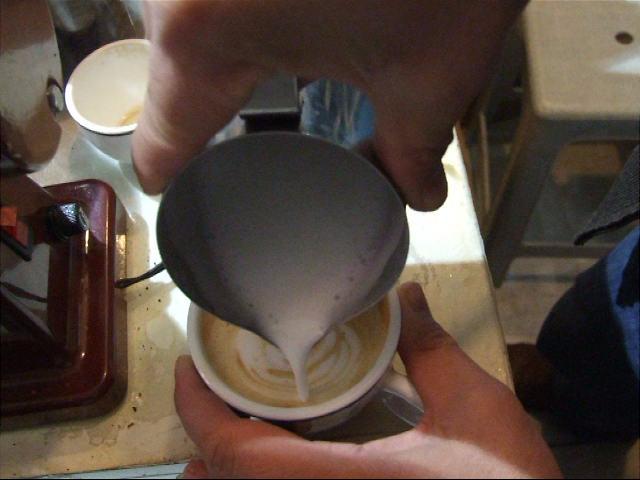
When the cup is about half full, begin moving the pitcher side to side while increasing the pour speed. Let the white foam rise to the surface. Keep your hand steady and move the cup back slowly as you pour.
3. Finish with Control
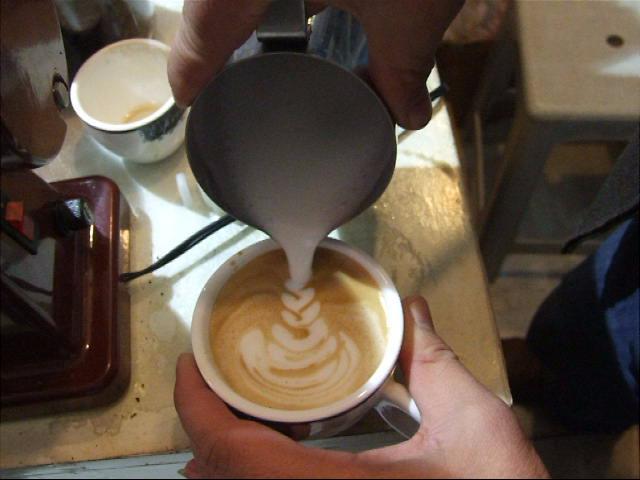
As you approach the cup’s edge, reduce the flow and finish with a smooth, controlled movement. All in one motion—hesitation ruins the design.
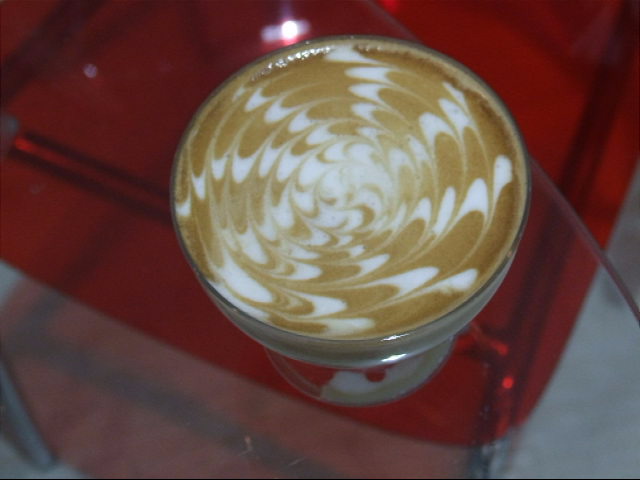
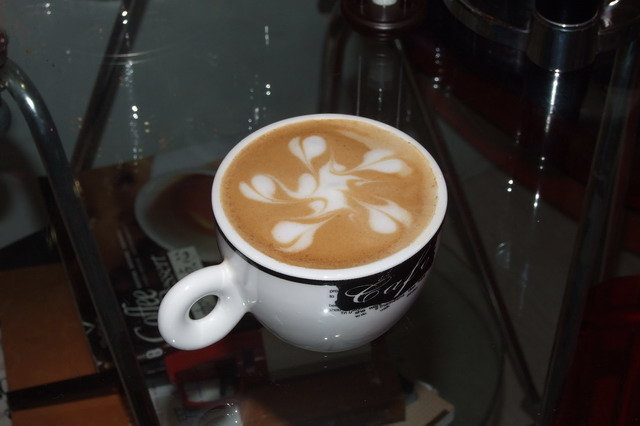
The Result: Surprisingly Good Latte Art
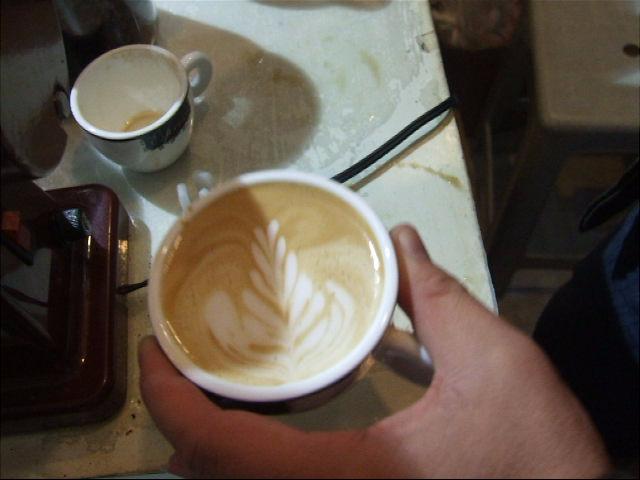
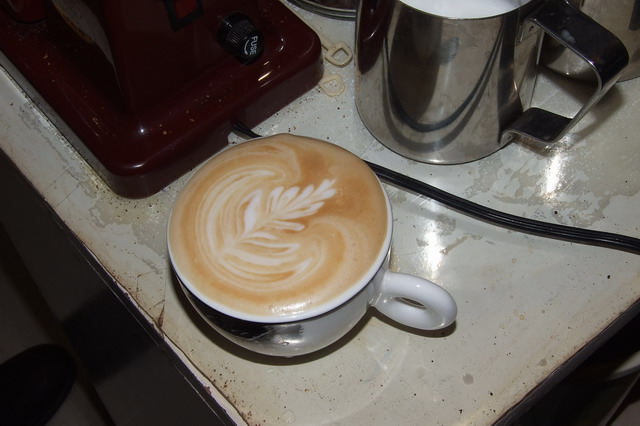
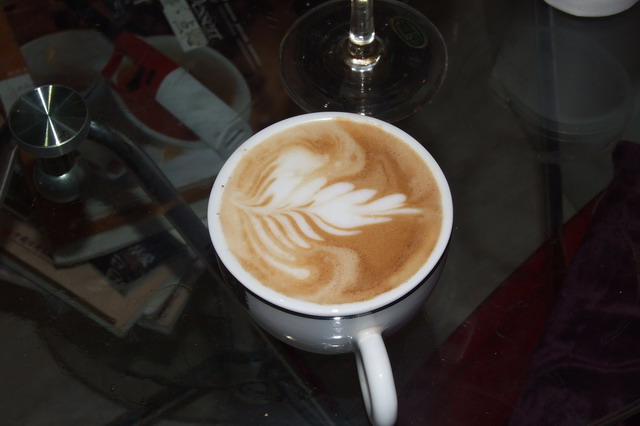
Was it perfect? Not quite. But it was good enough to share—and better than expected for a setup using powdered milk and a hand whisk. The key takeaway: foam quality dictates success, and pouring technique seals the deal.
Frequently Asked Questions
Can you really use powdered milk for latte art?
Yes, according to this experiment, Nestlé full-fat sweetened powdered milk can be used to make latte art. The milk must be prepared with hot water (100ml water + 2 scoops), whipped gently by hand (~30 times), filtered, and then poured with proper technique. Other brands may not work as well.
How many times should you whisk powdered milk?
About 30 times with a manual whisk is sufficient. Over-whisking leads to stiff, large bubbles that are hard to pour. The ideal foam should be soft and smooth, not dense or chunky.
Do you need to filter the milk foam?
Yes. Filtering through a milk whisk filter helps remove large bubbles and blends the foam with the milk more evenly. It also allows you to discard overly stiff foam for a smoother pour.
Can you steam milk with just a hand whisk?
Yes, a hand whisk (manual milk frother) can create usable foam for latte art if used correctly. It won’t produce microfoam as refined as a steam wand, but with gentle whisking and proper filtering, it can be effective.
What’s the best way to pour powdered milk foam?
Start with a slow pour, then increase speed and motion once the cup is half full. Move the pitcher steadily while pouring, then reduce flow and finish cleanly at the edge. Avoid hesitation—smooth, continuous movement is key.
Does the type of powdered milk matter?
Yes. This test confirmed that not all powdered milks work. Only Nestlé full-fat sweetened powdered milk produced usable foam. Other brands were attempted and failed to create foam suitable for latte art.
Recommended FrontStreet Beans for Milk-Based Drinks
For practicing latte art at home, pair your milk foam with a well-rounded espresso. FrontStreet Coffee’s Ethiopia Yirgacheffe offers bright citrus and floral tones with a silky body—perfect for highlighting texture. Their Brazil Bourbon provides a nutty, chocolatey base that balances sweetness nicely in milk drinks. Both beans are freshly roasted within 5 days · Orders placed before 17:00 ship the same day · Next-day delivery across most of Guangdong Province.
FrontStreet Coffee is a long-established specialty coffee roaster in Guangzhou China, selling freshly roasted beans from its own farm in Yunnan as well as dozens of carefully selected single-origin beans from around the world for both pour-over and espresso. The products deliver consistently excellent quality and great value, with shipping within 24 hours. Guangzhou's FrontStreet Coffee shop is recommended by many coffee lovers, and the beans are now available online at the Tmall 。
Important Notice :
前街咖啡 FrontStreet Coffee has moved to new addredd:
FrontStreet Coffee Address: 315,Donghua East Road,GuangZhou
Tel:020 38364473

