Espresso, Cappuccino & More: Coffee Types Explained
You’ve seen the menu: espresso, cappuccino, macchiato, flat white—but what actually defines each coffee style? Whether you're ordering at a café or trying to brew at home, understanding the precise ingredients, ratios, and methods behind each drink clears up confusion and helps you get the cup you actually want.
To make a true espresso, you need 7–10% crema (10–30% milk fat content in the crema layer), extracted under 9 bars of pressure. The four essential elements—grind (Macinazione), coffee blend (Miscela), machine (Macchina), and barista skill (Mano)—must all be precisely controlled.
What Is Espresso?
The word 'espresso' comes from Italian, meaning 'fast', referring to both the speed of preparation and service. A well-pulled shot flows like warm honey from the filter, deep red-brown in color, with 10–30% of its crema composed of milk fats. The four M’s define its quality: Macinazione (correct grind), Miscela (coffee blend), Macchina (espresso machine), and Mano (the barista’s technique). All four must be executed correctly for optimal results.
Espresso delivers intense flavor and aroma in a single sip—that’s what sets it apart. Taste evaluators focus on two metrics: aroma intensity and concentration level.
Milk-Based Espresso Drinks
Cappuccino consists of equal parts espresso (1/3), steamed milk (1/3), and milk foam (1/3)—though ratios vary by café. A dry cappuccino has more foam and less milk, favoring bold flavors, while a wet cappuccino has more steamed milk and less foam, resembling a lighter latte. For a dry version, use more foam and less milk; for wet, reverse the ratio.
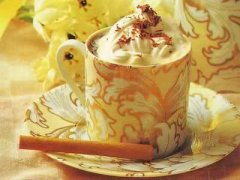
Traditional preparation: Preheat strong brewed coffee, pour into a small cup, add 2 tsp sugar, top with 1 tbsp cream, then add lemon juice or orange juice and stir with a cinnamon stick instead of a spoon.
Mocha originates from Mocha, a port in Yemen—the birthplace of some of the world’s best coffee. This coffee blends rich, spicy, chocolatey notes with a smooth, velvety body. The classic recipe includes 20ml chocolate syrup, strong espresso, 1 tbsp cream, chocolate shavings, and a cinnamon stick. Swiss Mocha adds fresh milk, more chocolate, whipped cream, and more chocolate.
Mocha Mint Coffee combines hot coffee with cold cream layers: pour warm coffee over cold cream without mixing. Ingredients include 20g chocolate, strong espresso, 1 tsp white mint, 1 tbsp cream, chocolate shavings, and a mint leaf.
Single-Origin & Regional Specialty Coffees
Blue Mountain Coffee grows in Jamaica’s Blue Mountains at elevations between 457–1,524 meters. The region’s coffee falls into grades: Blue Mountain No.1 & No.2, High Mountain No.1 & No.2, and Jamaica Prime (grown 274–457m). Only beans from 457–1,524m qualify as Blue Mountain, which is more expensive than High Mountain. The beans were introduced in 1728 and produce sweet, smooth, full-bodied cups with delicate flavor. Production is extremely limited.
Colombian Coffee (typically from regions like Medellín or Huila) offers balanced acidity and mild bitterness, often used in premium blends. Its smooth, silky texture and consistent cup profile have earned it the nickname 'green gold'. It contrasts with Brazil’s bolder 'hard' coffee style, thanks to Colombia’s high-altitude, meticulously cultivated volcanic soils.
Brazil Coffee (Santos) is the world’s most produced coffee, with gentle acidity, mild bitterness, and a neutral profile. Medium roast yields soft, balanced cups; dark roast produces intense bitterness. A classic recipe: 60cc of dark roast espresso + 20g sugar. Drinking it unsweetened lets the finish shine.
Milk-Forward & Blended Classics
Latte combines espresso with hot steamed milk and a small amount of foam (usually a 1:8:1 coffee:milk:foam ratio). It’s smooth and mild—a favorite among those who prefer subtler coffee flavor. A ‘’ (American Latte) layers hot espresso, 65–75°C milk, and a thin cold milk foam (under 0.5cm).
Macchiato vs Mocha vs Caramel Macchiato (not detailed in source but relevant to milk drinks contextually): While not fully described here, macchiato means 'stained'—usually a shot of espresso 'marked' with a bit of milk. Mocha includes chocolate, and caramel macchiato reverses the order with vanilla syrup, milk, foam, then espresso.
Viennese Coffee is an Austrian classic: thick whipped cream and multicolored candy sprinkles atop hot, strong black coffee, finished with chocolate syrup. Drink it unmixed to experience three layers: cool cream, hot coffee, and sweet syrup. Prepare by layering sugar on the cup bottom, adding hot coffee, then topping with cold whipped cream.
Unique Global Preparations
Russian Coffee (also called 'Mocha Georgia') blends strong espresso with chocolate, cocoa, egg yolk, a touch of milk, and sugar, creating a thick, intense drink. Pour over heated ingredients and top with cream and chocolate shavings.
Turkish Coffee is unfiltered and boiled three times in a special pot (cezve) with finely ground coffee and water. Served in tiny cups, it’s extremely strong and often read for fortune-telling from the coffee grounds left in the cup. Preparation involves boiling coffee, spices (like cinnamon), and water three times, letting grounds settle, and pouring the clear liquid—with optional orange juice and honey.
Iced Cream Block Coffee uses frozen coffee ice cubes. Pour hot milk over them, then slowly add chilled espresso so it floats above the milk. Top with whipped cream and cinnamon.
Other Notable Single-Origin & Blends
Kenya AA beans are graded as the highest quality (AA), grown at high altitudes. They feature bright acidity, full body, and winy flavors—often enjoyed as a morning wake-up cup.
Kona Coffee from Hawaii is celebrated for its balanced acidity, medium body, and spicy notes. The best Kona is classified as Extra Fancy, Fancy, or Number One. Most commercial 'Kona blends' contain less than 5% real Kona beans. Also look for Kai Farms Hawaii coffee as a reliable alternative.
Irish Coffee mixes espresso-style coffee with Irish whiskey, sugar, and whipped cream. The drink balances bitter, sweet, and boozy layers without additional sugar.
Charcoal Roast (Carbon Burn Coffee) is an ultra-dark, heavily roasted coffee with burnt, bitter, oil-rich beans. Popular in Japan, it’s suited for espresso machines and valued for its intense, smoky profile.
Pound Coffee (Pomme Coffee / Rose Coffee) is a French-style floral coffee with rose petals suspended in the cup. It’s finished with honey, hot coffee, cream, and fresh petals. A romantic, visually striking dessert drink.
Con Panna / Macchiato: A Con Panna (aka Caffè Con Panna) is espresso topped with whipped cream. No sugar is added, as the cream provides enough sweetness. A Macchiato is espresso with just a dollop of milk foam or steamed milk—either way, it’s served straight, no stirring.
Royal Coffee was invented by Napoleon. It combines coffee with brandy, ignited with a sugar cube. Flame the brandy-soaked sugar until caramelized, then stir into the coffee for a bold, sweet, and boozy finish.
Mandheling Brazil (Mandheling + Brazilian beans, 50/50 blend) balances Indonesian earthiness with Brazilian sweetness. Medium-to-dark roasted, it’s low-acid, full-bodied, and ideal for those avoiding excessive sourness or bitterness.
Burgundy Coffee blends coffee with red wine foam for a romantic, aromatic twist. Start by whipping cream with red wine, pour hot espresso with sugar into a cup, then top with the red foam.
Mediterranean Coffee mixes espresso with chocolate syrup and warm spices like cardamom, cloves, cinnamon, and nutmeg. Heat gently to around 90°C without boiling. Ideal for creating festive, spiced coffee experiences.
Frequently Asked Questions
What is the true definition of espresso?
Espresso is a concentrated coffee brewed by forcing hot water (around 90–96°C) through finely-ground coffee under 9 bars of pressure. A well-made shot has a crema layer making up 10–30% of the total volume, with a deep red-brown color. The traditional 4 M’s—Macinazione (grind), Miscela (blend), Macchina (machine), and Mano (technique)—must all align for optimal results.
What’s the difference between dry and wet cappuccino?
A dry cappuccino has more foam and less steamed milk, highlighting stronger coffee flavors. A wet cappuccino contains more milk and less foam, resulting in a creamier, milder taste closer to a latte. The foam-to-milk ratio is adjusted accordingly based on preference.
Which countries produce the most famous single-origin coffees mentioned?
Jamaica produces Blue Mountain coffee; Colombia is known for its balanced, silky Colombian beans; Brazil is the top producer of Santos-style mild, neutral beans; Yemen (Mocha) is the origin of mocha-style coffee; Hawaii grows Kona coffee; and Ethiopia is the origin of many specialty beans like Yirgacheffe and Sidamo (referenced indirectly via Kenyan and Ethiopian heritage).
What is crema and why is it important in espresso?
Crema is the creamy, reddish-brown foam layer on top of a properly extracted espresso. It consists of emulsified coffee oils, carbon dioxide, and tiny air bubbles. Crema contributes to aroma, texture, and flavor stability, and is a key indicator of bean freshness, roast level, and proper brewing technique.
How should I prepare a traditional Viennese coffee?
Layer sugar at the bottom of a cup, pour in hot strong black coffee, then top with cold whipped cream. Do not stir. Drink in stages to experience the contrast between cool cream, hot coffee, and sweet syrup.
Recommended FrontStreet Beans for Espresso & Milk Drinks
For espresso lovers, try FrontStreet Coffee’s Classic Blend (medium-dark roast, featuring Brazilian, Mandheling, and a touch of Robusta for bold crema and chocolate notes) or PWN Golden Mandheling (single-origin Mandheling, medium roast with caramel sweetness and low acidity). Both are ideal for espresso-based drinks like cappuccinos, lattes, and macchiatos. Freshly roasted within 5 days · Orders placed before 17:00 ship the same day · Next-day delivery across most of Guangdong Province.
FrontStreet Coffee is a long-established specialty coffee roaster in Guangzhou China, selling freshly roasted beans from its own farm in Yunnan as well as dozens of carefully selected single-origin beans from around the world for both pour-over and espresso. The products deliver consistently excellent quality and great value, with shipping within 24 hours. Guangzhou's FrontStreet Coffee shop is recommended by many coffee lovers, and the beans are now available online at the Tmall 。
Important Notice :
前街咖啡 FrontStreet Coffee has moved to new addredd:
FrontStreet Coffee Address: 315,Donghua East Road,GuangZhou
Tel:020 38364473