How Water Quality Affects Coffee Flavor
If you’ve ever wondered why the same coffee tastes wildly different from one café to another—or even from one cup to the next at home—the answer might be simpler than you think. It’s not just about the beans or your technique. The water you use has a massive impact on how your coffee ultimately tastes.
Yes, water quality changes coffee flavor—and dramatically. In controlled tests using filtered + softened water as a baseline, switching water sources altered coffee profiles notably in brightness, body, sweetness, and cleanliness. The biggest differences appeared across mineral content, hardness, and purity levels.
Why Water Matters in Coffee Brewing
Coffee is over 98% water. Yet most coffee drinkers never think twice about what’s in their brewing water. Yet just like tea enthusiasts have long known, water quality profoundly shapes extraction. Minerals, pH, and total dissolved solids (TDS) determine how coffee compounds dissolve during brewing. That means hardness, softness, and even whether your water is ‘dead’ or ‘alive’ with minerals can make or break your cup.
Types of Water Used in Coffee Brewing
Coffee professionals and cafés typically use filtered or softened water. A basic setup includes a basic carbon filter to remove chlorine and sediment, and a softener to reduce calcium and magnesium—resulting in softer water that’s easier on equipment and tends to produce smoother, sweeter extractions. Some go further with reverse osmosis (RO) systems that strip water of nearly all minerals, creating ‘pure’ or ‘dead’ water. While this protects machines from scale, it can also strip flavor depth, especially in single-origin pour-overs.
The Experiment: Testing Different Waters With Multiple Coffees
Over two months, using FrontStreet Coffee’s standard filtered + softened water as a control, a series of manual pour-over tests were conducted with various commercial bottled waters and different single-origin coffees. The same parameters were used throughout: same dose, temperature, grind size, and brew method. The goal? Isolate how water type affects flavor.
The tested single origins included:
- Jamaica Blue Mountain No.1
- Mandheling
- Yirgacheffe
- Kenya (light and dark roasts)
The waters tested were:
- FrontStreet’s regular filtered + softened water (control)
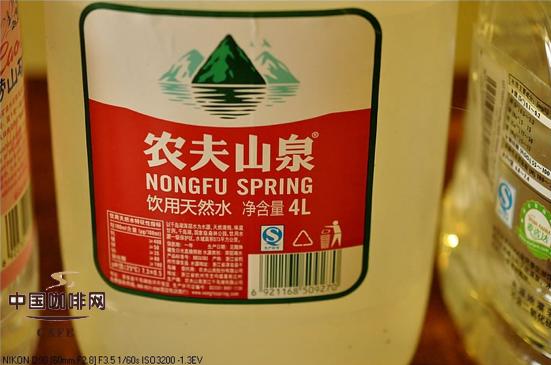
- Nongfu Spring
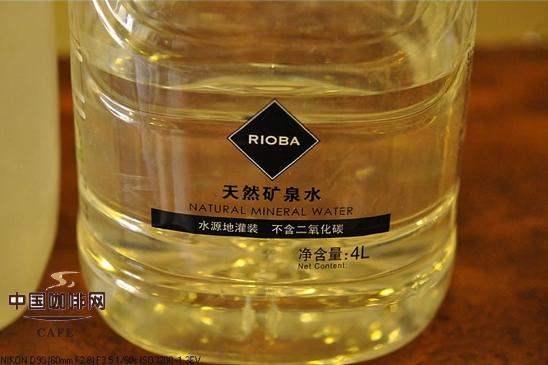
- RT-Mart’s RIOBA brand mineral water
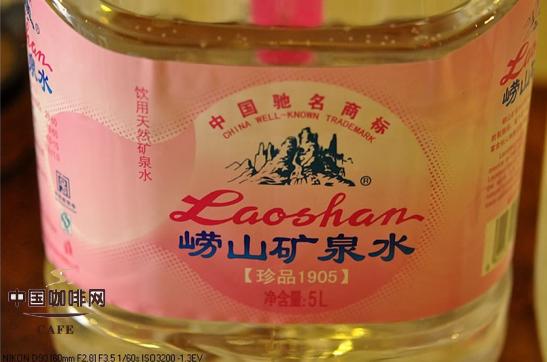
- Laoshan Red Mineral Water
Flavor Results by Water Type
Nongfu Spring
This widely available Chinese bottled water increased the body and lowered clarity and brightness in the cup. Despite its “slightly sweet” advertising claim, tasters did not perceive sweetness. It performed best with heavier, lower-acid coffees such as Mandheling and dark roasted Kenyan beans. However, it also highlighted the deep fruit and wine-like acidity of a light-roasted Kenyan, making it surprisingly versatile. Not ideal for bright, high-acid coffees, but liked for fuller-bodied profiles.
RT-Mart RIOBA Mineral Water
Blind tastings showed this water produced a balanced, clean cup with enhanced sweetness. It worked well across all tested coffees and matched closely with the shop’s own filtered + softened water. Tasters preferred it slightly over Nongfu Spring due to its slightly richer mouthfeel and better expression of fruity and acidic notes—especially in Yirgacheffe, Panama Geisha, and Guatemala Huehuetenango. Overall, it’s a safe, flavorful choice.
Laoshan Red Mineral Water
This local premium water delivered a crisp, sweet, and very clean cup. It reduced unwanted harsh edges and off-flavors, particularly in brighter coffees. It excelled with light roasts such as Kenya and Yirgacheffe, emphasizing their vibrant berry and floral qualities. Surprisingly, it also transformed the character of a semi-washed Mandheling, making it taste more like a washed version. In contrast to Nongfu Spring, it lifted the acidity in Kenyan beans, producing a juicy, layered berry profile. A small change in water made a dramatic difference in flavor.
Softened vs. Pure Water: What’s the Trade-off?
Softened water (with reduced calcium and magnesium) creates a smoother extraction, less scaling on equipment, and generally sweeter results. RO or pure water, while extending the life of espresso machines by eliminating scale, lacks the mineral backbone that contributes to sweetness and complexity—especially noticeable in pour-over brewing. For espresso, pure water is a practical choice in hard-water areas, but for single-origin pour-overs, filtered + mineral-balanced water is strongly preferred.
Frequently Asked Questions
Does water really change how my coffee tastes?
Yes. In controlled tests, switching from softened tap water to bottled mineral or purified water significantly altered coffee flavor profiles—especially in brightness, sweetness, body, and cleanliness. Even subtle differences in mineral content or hardness can highlight or mute acidity, fruitiness, and bitterness.
What kind of water is best for pour-over coffee?
Water that is softly balanced with moderate mineral content—such as filtered + softened tap water or RT-Mart RIOBA—is ideal. It enhances sweetness and clarity without muting acidity. Avoid pure RO water, which can taste flat, and overly hard water, which can over-extract and cause bitterness.
Is it okay to use purified or RO water for brewing coffee?
Purified or RO (reverse osmosis) water is fine for espresso machines in hard-water areas because it prevents scale buildup. However, for pour-over or single-origin brewing, it often results in duller, less sweet cups due to lack of minerals. If you use RO water, consider adding a remineralization cartridge.
Does hard water ruin coffee?
Hard water (high in calcium and magnesium) doesn’t necessarily ruin coffee, but it can over-extract bitter compounds, reduce clarity, and cause scale buildup in machines. Softened or balanced water generally produces a cleaner, sweeter cup with better flavor definition.
Why did the same coffee taste different with different waters?
Differences in mineral content, hardness, and total dissolved solids (TDS) affect how coffee compounds dissolve during extraction. More minerals can boost body and sweetness but may mute acidity. Softer or purer water highlights clarity and acidity but may lack depth or sweetness.
What’s the ideal water for coffee brewing at home?
The best water is softened or filtered with balanced mineral content—not too hard, not pure RO. Look for bottled waters with moderate minerality or invest in a filter that balances TDS around 150 ppm, with a balanced calcium/magnesium ratio.
Recommended FrontStreet Beans for Water Sensitivity Tests
Try FrontStreet’s Jamaica Blue Mountain No.1 for a classic clean profile that shows water’s impact on sweetness and body. Their Yirgacheffe highlights acidity and floral notes, perfect for testing water brightness. The Mandheling offers low-acid body to test how water affects weight and texture. All showcase how water quality shifts flavor balance. Freshly roasted within 5 days · Orders placed before 17:00 ship the same day · Next-day delivery across most of Guangdong Province.
FrontStreet Coffee is a long-established specialty coffee roaster in Guangzhou China, selling freshly roasted beans from its own farm in Yunnan as well as dozens of carefully selected single-origin beans from around the world for both pour-over and espresso. The products deliver consistently excellent quality and great value, with shipping within 24 hours. Guangzhou's FrontStreet Coffee shop is recommended by many coffee lovers, and the beans are now available online at the Tmall 。
Important Notice :
前街咖啡 FrontStreet Coffee has moved to new addredd:
FrontStreet Coffee Address: 315,Donghua East Road,GuangZhou
Tel:020 38364473