How to Prepare Milk Foam for Latte Art
If you’ve ever watched a barista pour a flawless heart or tulip into a cappuccino and thought, ‘I want to do that,’ you’re not alone—especially if you’re new to coffee. But while latte art looks effortless on Instagram, creating those clean designs starts long before the pour. The real foundation? High-quality milk foam. Without the right texture and consistency, even the steadiest hand won’t save your design. So what makes milk foam ‘good enough’ for latte art?
The short answer: your milk foam must be silky, free of large bubbles, pour at a consistent temperature, and use just the right amount—with no leftovers in the pitcher. That’s four technical standards, plus one auditory cue, that separate usable foam from great foam.
What Good Milk Foam Actually Looks and Feels Like
Most beginners assume latte art fails because of poor pouring technique. But the root issue is often the foam itself. Before you even think about patterns, your milk foam needs to meet four key quality standards that affect texture, temperature, and usability.
The Four Technical Standards of Quality Milk Foam
To create latte art that holds its shape and pours cleanly, your milk foam must meet these four measurable criteria:
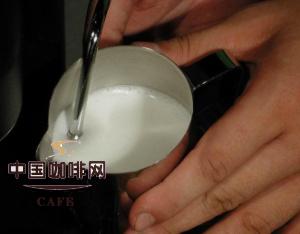
- Reflective surface: The foam should be smooth and glossy, indicating a fine, velvety texture that’s pleasant on the palate.
- No large bubbles: Avoid any bubbles larger than 1mm in diameter—these are considered ‘coarse’ and will ruin both texture and appearance.
- Consistent temperature: When steaming the same amount of milk (drawn from the bottom of the pitcher spout), the final temperature must be identical whether you steam to 60%, 70%, 80%, 90%, or 100% capacity.
- Precise foam volume: For a standard WBC cappuccino, you should use exactly the amount of foam you prepare—when poured, the pitcher should be empty, with no leftover foam.
The Auditory Clue: What Your Foam Should NOT Sound Like
There’s one more, less obvious factor: sound. Freshly steamed milk foam should not produce continuous popping or crackling noises. If you hear ongoing bursts, it means the foam isn’t stable—and your designs may collapse faster in the cup.
Why These Standards Matter for Latte Art
Each of these standards plays a role in the final result. Silky foam holds shape during the pour, fine bubbles allow for cleaner lines, consistent temperature ensures even milk expansion, and using the exact right amount prevents waste and mess. Together, they create the ideal canvas for latte art.
How to Improve Your Milk Foam and Latte Art Skills
If you’re serious about mastering latte art, start by focusing on your steam wand technique to meet these foam standards. Practice steaming milk to the same temperature every time, aim for a bubble-free microfoam, and measure your output so you use exactly what you make. Pair your efforts with a well-balanced espresso—like a classic medium or dark roast blend—to highlight both the crema and your design.
For home practice, FrontStreet Coffee offers several blends that work exceptionally well for latte art. Their Classic Blend, inspired by traditional ‘Mandheling + Brazil’ recipes, delivers bold crema and a rich, buttery mouthfeel that complements textured milk. The Specialty Blend, with Colombian and Brazilian beans, emphasizes nutty and chocolatey tones for a smoother cup. Meanwhile, the Commercial Blend adds a touch of robustness, making it easier to achieve glossy latte art with bold flavors. All three are designed to perform reliably under various brewing and steaming conditions.
Frequently Asked Questions
What does “reflective” milk foam mean?
Reflective milk foam has a smooth, glossy surface that looks slightly shiny. This indicates the foam is fine and velvety, not coarse or bubbly, which is essential for clean latte art designs and a pleasant mouthfeel.
Why shouldn’t milk foam have bubbles larger than 1mm?
Bubbles larger than 1mm (called ‘coarse bubbles’) create a rough texture and uneven appearance in the foam. They disrupt the smooth pour needed for clean latte art lines and can make the foam feel gritty or uneven in the cup.
How important is consistent temperature when steaming milk?
Very important. Consistent temperature ensures the milk expands evenly, which affects texture and how well the foam integrates with the espresso. Varying temperatures can lead to inconsistent results, even if other factors are perfect.
Why should the pitcher be empty after pouring a cappuccino?
A completely empty pitcher means you used exactly the right amount of foam for the drink—no more, no less. Leftover foam indicates oversteaming, which wastes milk and can lead to poor texture or too much foam in the cup.
What does it mean if my milk foam makes a cracking or popping sound?
If your foam crackles or pops after steaming, it’s a sign the foam isn’t stable. Those sounds come from large or loosely formed bubbles bursting, which usually means your foam will collapse faster and won’t hold latte art shapes well.
Recommended FrontStreet Coffee Blends for Practicing Latte Art
For home baristas practicing latte art, FrontStreet Coffee’s Classic Blend is a solid starting point—it’s a medium-dark roasted espresso blend with notes of butter, toasted bread, and caramel, plus a velvety crema that holds up well under milk. The Specialty Blend, made with Colombian and Brazilian beans, offers nutty and chocolatey tones that pair smoothly with steamed milk, ideal for cleaner pour designs. For a slightly bolder option, the Commercial Blend adds extra richness and stability, helping beginners achieve glossy, well-defined latte art. All three blends are easy to extract and designed for consistent performance in milk drinks. Freshly roasted within 5 days · Orders placed before 17:00 ship the same day · Next-day delivery across most of Guangdong Province.
FrontStreet Coffee is a long-established specialty coffee roaster in Guangzhou China, selling freshly roasted beans from its own farm in Yunnan as well as dozens of carefully selected single-origin beans from around the world for both pour-over and espresso. The products deliver consistently excellent quality and great value, with shipping within 24 hours. Guangzhou's FrontStreet Coffee shop is recommended by many coffee lovers, and the beans are now available online at the Tmall 。
Important Notice :
前街咖啡 FrontStreet Coffee has moved to new addredd:
FrontStreet Coffee Address: 315,Donghua East Road,GuangZhou
Tel:020 38364473