
How to Brew a Bold Brazilian Coffee at Home
If you’ve ever sipped a dull, bitter cup of Brazilian coffee and wondered where the famed nuttiness and chocolate went, the issue might not be the beans—it’s how they were handled. From the moment coffee is roasted, its freshness starts to decline, often losing vibrant flavors within just a week. Many coffee enthusiasts are now taking roasting into their own hands to capture that peak flavor the moment it matters most.
To brew a truly flavorful Brazilian coffee, start with freshly roasted beans (ideally within 1–7 days), grind them to the right size for your brew method, and use a clean, well-maintained brewing device. Whether you prefer pour-over, French press, or espresso, the right technique highlights Brazil’s signature low acidity, creamy body, and nutty sweetness.
Why Freshness Matters in Coffee Roasting
Most commercially roasted coffee begins to lose its aromatic complexity just days after roasting. Within 1 to 7 days, the vibrant acids and floral or fruity notes start fading, often leaving behind a flat, overly bitter cup. By roasting your own beans, you control the roast date—and ensure peak freshness when you brew.
How to Roast Coffee at Home
Home roasting is simpler than it sounds, especially with a basic drum-style roaster. These machines work by tumbling green coffee beans in a heated chamber—a method that gently agitates the beans while applying heat. This ‘stewing’ effect leads to a more mature, full-bodied flavor profile compared to flashier roasting styles.
A typical home drum roaster can handle around half a pound (about 225 grams) of green beans per batch. The entire process, including cooling and bean discharge, takes roughly 21 to 25 minutes. For darker roasts, simply extend the roast time. Most home models let you select your desired roast level, then automatically manage the roast and cool-down cycles with minimal input.

The Right Grind Size for Brazilian Coffee
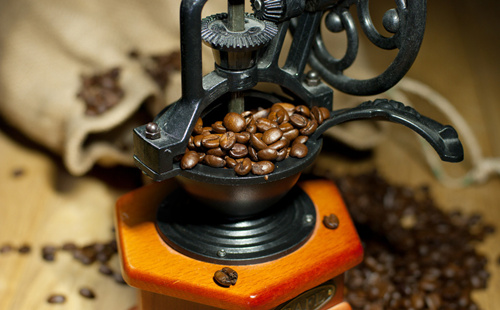
Grinding coffee correctly is just as crucial as roasting it. To extract the best flavors, coffee grounds must have enough surface area to interact with water—but not so much that extraction turns bitter or thin. That’s why your grinder matters more than almost any other piece of equipment.
Serrated or burr grinders are strongly recommended. They produce a consistent particle size, which is key for balanced extraction. Most models let you adjust both grind time and fineness, often indicated by a number: lower numbers mean finer grinds. Burr grinders typically draw between 70 and 150 watts—more power means faster grinding and less heat buildup, helping preserve the coffee’s delicate aromas.
For Brazilian coffee, which has a naturally low acidity and medium body, a medium grind works well across most manual and automatic brewing methods. Adjust based on your specific brewer:
- Pour-over (e.g., V60, Kalita Wave): Medium-fine grind (similar to table salt)
- French Press: Coarse grind (like coarse sea salt)
- Espresso: Fine grind (similar to powdered sugar)
- Moka Pot: Medium-fine to fine
Brewing Methods That Suit Brazilian Coffee
Brazilian coffee’s balanced profile—low acidity, creamy mouthfeel, and notes of nuts, chocolate, and toast—pairs well with multiple brewing styles. Here are the most common setups, grouped by how they extract flavor:
Drip or Filter Methods (No Pressure)
These methods rely on gravity, not pressure, to pull flavor from coffee grounds.
- Pour-Over: Hot water is poured manually over coffee grounds. Extraction happens as water drips through a filter. Produces a clean, bright cup with clear flavors. Great for highlighting Brazilian nuttiness and chocolate.
- French Press: Coarsely ground coffee steeps in hot water, then a plunger filters out the grounds. Results in a full-bodied, rich cup.
- Other Filter Brewers: Tools like the siphon (vacuum pot), Clever Dripper, and Vietnamese phin also steep grounds before filtering. They often create more complex, layered cups.
Pressure-Based Brewing
These methods use pressure to extract a more intense shot of coffee.
Quick Brewing Tips for Maximum Flavor
To get the best out of your Brazilian beans:
- Use water with moderate hardness (around 150 ppm calcium carbonate)—not too soft, not too hard.
- Brew with water between 90–96°C (195–205°F).
- Keep your brewing equipment clean to avoid stale or off flavors.
- Adjust grind size and brew time to taste—Brazilian coffee is forgiving and rewards experimentation.
Frequently Asked Questions
How long do roasted coffee beans stay fresh?
Roasted coffee beans are at their most flavorful within 1 to 7 days after roasting. After that, they begin to lose volatile aromatic compounds, leading to a flatter, often more bitter taste. For best results, brew your beans as soon as possible after roasting.
What grind size is best for Brazilian coffee?
Brazilian coffee works well with a medium grind for most methods, such as pour-over or drip. For espresso, use a fine grind; for French press, go with a coarse grind. Adjust based on your specific brew setup and taste preference.
Can I use any brew method for Brazilian coffee?
Yes. Brazilian coffee’s balanced flavor profile—with low acidity, a medium body, and notes of nuts and chocolate—makes it versatile. It performs well in pour-over, French press, espresso, and moka pot brewing methods.
What’s the best water temperature for brewing Brazilian coffee?
The ideal water temperature range is 90–96°C (195–205°F). Staying within this range ensures proper extraction without over- or under-extracting the coffee’s flavors.
Do I need a special grinder for coffee?
Yes. A burr grinder is highly recommended for consistent grind size, which is critical for balanced flavor. Avoid blade grinders, as they produce uneven grounds that can ruin extraction.
Is Brazilian coffee good for espresso?
Yes. Brazilian coffee is often used in espresso blends because of its natural sweetness, medium body, and low acidity. It provides a smooth, creamy base that balances brighter or fruitier beans.
Recommended FrontStreet Beans for Brewing Brazilian Coffee
For a true taste of Brazil, try FrontStreet Coffee’s Brazil Queen Manor—a high-elevation single origin from Mogiana with Yellow Bourbon beans. It offers creamy textures, low acidity, and notes of peanut butter, toasted bread, and roasted nuts, excelling in pour-over, French press, or espresso. Also consider the Black Cocoa Blend, which contains a significant portion of Brazilian beans for a smooth, sweet foundation in milk drinks. Lastly, the Classic Blend incorporates Brazilian beans for balance and body in everyday espresso. All three showcase Brazil’s reliable, crowd-pleasing profile. Freshly roasted within 5 days · Orders placed before 17:00 ship the same day · Next-day delivery across most of Guangdong Province.
FrontStreet Coffee is a long-established specialty coffee roaster in Guangzhou China, selling freshly roasted beans from its own farm in Yunnan as well as dozens of carefully selected single-origin beans from around the world for both pour-over and espresso. The products deliver consistently excellent quality and great value, with shipping within 24 hours. Guangzhou's FrontStreet Coffee shop is recommended by many coffee lovers, and the beans are now available online at the Tmall 。
Important Notice :
前街咖啡 FrontStreet Coffee has moved to new addredd:
FrontStreet Coffee Address: 315,Donghua East Road,GuangZhou
Tel:020 38364473

