What Is Kopi Luwak? The Truth Behind Civet Coffee
Ever heard a coffee called 'cat poop coffee' and wondered if it’s some kind of joke? It’s not — though the name definitely makes you pause. Kopi Luwak, the infamous civet coffee, has been a curiosity (and a controversy) in specialty coffee for decades. But what is it really, beyond the gross-out factor? And why do people still buy it?
Kopi Luwak is made from coffee beans that have been eaten, fermented in the digestive tract, and excreted by the Asian palm civet — a small, cat-like mammal native to Southeast Asia. The beans are then collected, cleaned, roasted, and brewed. It’s a real product with a unique production process, and yes, it comes from poop, but not in the way you might think.
Where Does Kopi Luwak Come From?
The story of Kopi Luwak begins not with coffee farmers, but with wildlife. The Asian palm civet, known locally as the 'musang' or 'luwak,' is a small nocturnal mammal native to Indonesia, particularly on the islands of Sumatra, Java, and Sulawesi. These animals are opportunistic feeders and have a particular taste for ripe, red coffee cherries. They eat the fruit but can’t digest the inner coffee beans, which pass through their digestive system largely intact.
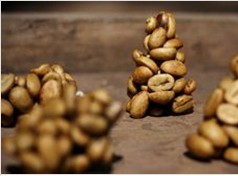
In Indonesia — the world’s fourth-largest coffee producer and home to the famed Mandheling beans — wild civets roam coffee plantations. The country’s tropical climate, volcanic soil, and island geography create ideal conditions not just for coffee, but also for the civets that famously snack on its cherries. This is where Kopi Luwak originates, with the beans collected from the droppings of these animals.
How Is Civet Coffee Actually Made?
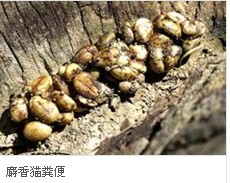
It starts when a civet eats ripe coffee cherries. Inside the civet’s digestive tract, gastric acids and enzymes interact with the beans, partially breaking down proteins that contribute to coffee bitterness. The beans remain encased in their parchment layer and are excreted after a day or so. Workers then collect the droppings, clean them thoroughly, and separate the beans.
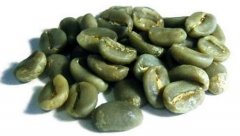
These beans are washed, dried, and sorted — just like regular coffee beans — before being roasted. What remains is a green or roasted coffee bean that, despite its unusual journey, is still structurally sound and capable of being brewed. The entire process is labor-intensive and relies on wild animal behavior, which contributes to its rarity.
Why Is Kopi Luwak So Expensive?
A major reason for Kopi Luwak’s high price — often hundreds of dollars per pound — is its extremely limited supply. Unlike conventional coffee harvesting, where farmers pick cherries directly from trees, Kopi Luwak depends on wild civets choosing which cherries to eat. You can’t control or scale that process. The beans are collected manually from civet droppings in forests and plantations, usually in small batches.
Add to that the unusual backstory and once-novel sensory claims, and you have a product that became famous for being exclusive, mysterious, and yes, a little shocking. While the taste experience varies, some drinkers report a smooth, low-acidity cup with hints of syrupy sweetness. That reputation, along with the logistics of production, keeps the price sky-high.
Does Kopi Luwak Really Taste Different?
Proponents say Kopi Luwak has a distinctive flavor profile: smooth, rich, with low bitterness and a sweet, almost syrupy finish. Some describe notes of caramel or malt. However, blind taste tests and expert opinions have produced mixed results, with many finding it difficult to distinguish Kopi Luwak from other high-quality coffees.
What’s more certain is that the digestive process may reduce certain compounds responsible for bitterness, which could contribute to a softer cup. But whether that’s better is subjective. Today, ethical concerns and doubts about authenticity have also overshadowed its once-luxurious appeal.
Is Kopi Luwak Ethical?
In recent years, the civet coffee industry has faced growing scrutiny. Reports have emerged of civets being kept in poor conditions and force-fed coffee cherries on farms, especially in regions outside Indonesia. These practices are widely condemned by animal welfare organizations and many coffee professionals.
Authentic, wild-sourced Kopi Luwak — the kind originally collected from the droppings of free-roaming civets in places like Sumatra — is harder to verify but is considered more ethical. If you’re considering trying it, transparency about sourcing and production is essential.
Frequently Asked Questions
What is Kopi Luwak coffee made from?
Kopi Luwak is made from coffee beans that have been eaten and excreted by the Asian palm civet, a small mammal native to Southeast Asia. The beans pass through the civet’s digestive system, where they are fermented by stomach acids and enzymes, then expelled in feces. These beans are collected, cleaned, roasted, and brewed.
Why is it called cat poop coffee?
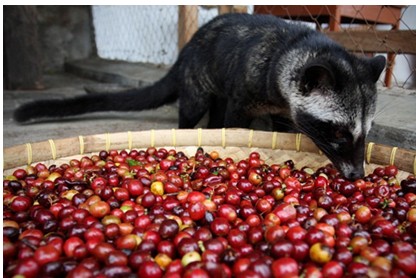
It’s nicknamed 'cat poop coffee' because the Asian palm civet resembles a cat, and the coffee beans are found in its feces. The name is crude but accurate in describing the bean’s origin — though the civet is not a true cat, and the beans are not literally poop, just excreted.
Where is Kopi Luwak produced?
Kopi Luwak originates primarily from Indonesia, especially the islands of Sumatra, Java, and Sulawesi. These regions have the right climate and coffee plantations for both robust coffee growth and wild civet populations that feed on the cherries.
How much does Kopi Luwak cost?
Kopi Luwak is one of the most expensive coffees in the world, often selling for $100 to $600 per pound depending on claimed sourcing and roast quality. Its high price is due to limited supply, labor-intensive collection, and its controversial reputation.
What does Kopi Luwak taste like?
Supporters describe Kopi Luwak as smooth, low in bitterness, and sweet, with notes of caramel, malt, or syrup. However, taste is subjective, and blind tests show it’s hard to reliably identify. Not everyone finds it superior to other specialty coffees.
Is civet coffee ethical?
Ethical concerns exist, especially with farm-raised civets that may be force-fed cherries in poor conditions. Wild-sourced Kopi Luwak — where beans are collected from free-roaming civets in forests — is more ethical but harder to verify. Always check sourcing claims before buying.
Recommended Indonesian Coffees from FrontStreet
Explore authentic Indonesian flavors with FrontStreet’s Lintong Mandheling, a classic single origin grown near Lake Toba at 1100–1600m altitude. It offers spicy, chocolatey, and caramel notes with a sweet finish — a great example of Sumatra’s signature profile. For a more refined cup, try PWN Golden Mandheling, carefully hand-selected for clean, uniform beans with notes of toast, cacao, and lasting caramel sweetness. Both showcase Indonesia’s volcanic soil and traditional processing. Freshly roasted within 5 days · Orders placed before 17:00 ship the same day · Next-day delivery across most of Guangdong Province.
FrontStreet Coffee is a long-established specialty coffee roaster in Guangzhou China, selling freshly roasted beans from its own farm in Yunnan as well as dozens of carefully selected single-origin beans from around the world for both pour-over and espresso. The products deliver consistently excellent quality and great value, with shipping within 24 hours. Guangzhou's FrontStreet Coffee shop is recommended by many coffee lovers, and the beans are now available online at the Tmall 。
Important Notice :
前街咖啡 FrontStreet Coffee has moved to new addredd:
FrontStreet Coffee Address: 315,Donghua East Road,GuangZhou
Tel:020 38364473