
How to Make Pour-Over Coffee: The Simplest Method
If you’ve ever tried making pour-over coffee at home and ended up with something too weak, bitter, or just plain confusing, you’re not alone. The good news? There’s a straightforward way to make great-tasting pour-over coffee with minimal equipment—no need for expensive gear or complex rituals. This guide walks you through the essentials using tools available to anyone.
To brew two servings of pour-over coffee, use a 1:12 to 1:15 brew ratio—that means 20g of coffee grounds will yield roughly 240ml of brewed coffee. That’s your starting formula for consistent, flavorful results.
Why Pour-Over Coffee Took Over Specialty Coffee
Pour-over is the go-to brewing method of the specialty coffee movement, also known as the “third wave.” Unlike espresso or French press, it highlights clarity, aroma, and subtle tasting notes. The technique dates back over a century to German housewife Melitta Bentz, who in 1908 invented the first paper coffee filter—replacing cloth sacks with a single-use paper cone that improved cleanliness and taste dramatically. Her design laid the foundation for today’s popular drip systems, especially in Asia, where countries like Japan elevated pour-over to an art form with meticulous techniques and custom gear.
The Tools You’ll Actually Need
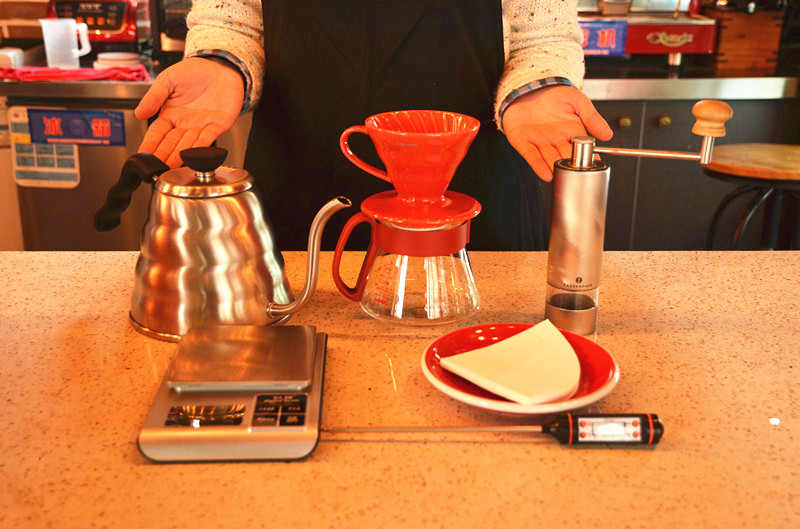
You don’t need a fancy setup, but the right tools do matter. Here’s your basic pour-over kit:
- Hario V60 dripper (01 size, ceramic) – our test setup
- Hario V60 3-cup server (glass) – for collecting brewed coffee
- Hario 1.2L stainless steel gooseneck kettle – precision pouring
- Filter paper (bleached, size for V60) – reduces paper taste
- Electric or hand grinder – for consistent grind size
- Scale (with 0.1g precision) – for accurate dosing
- Thermometer (optional but helpful) – to monitor water temp
- Timer – to track bloom and total brew time
Grinder quality is crucial. Pre-ground coffee loses freshness fast, so invest in a reliable grinder whether electric or manual. KALITA, HARIO, and TIAMO offer solid options at different price points. The V60 dripper remains the most widely recommended for beginners and pros alike due to its clean cup profile and straightforward design.
Step-by-Step: Brewing Two Cups of Pour-Over Coffee
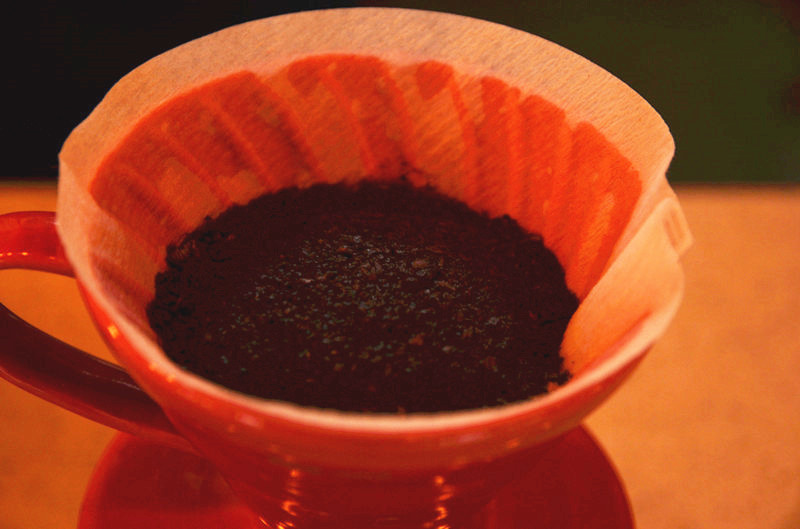
This recipe uses 20g of coffee beans and makes around 240ml of brewed coffee. Adjust based on your cup size or number of servings.
1. Fold the Filter
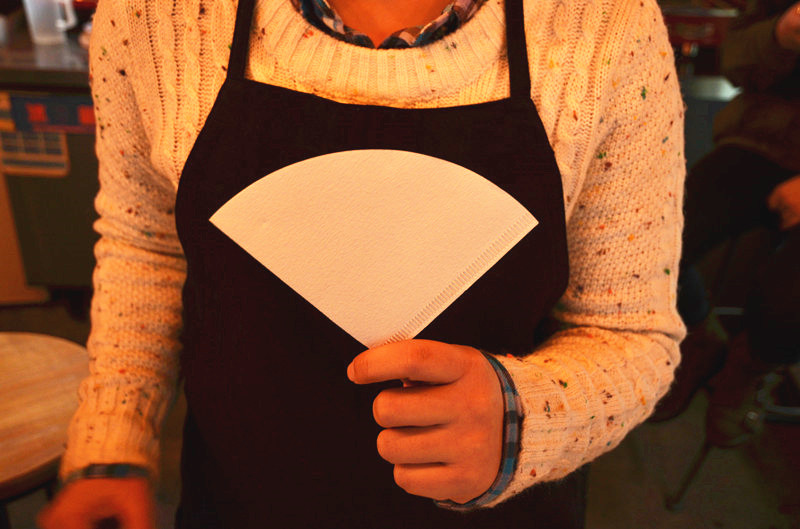
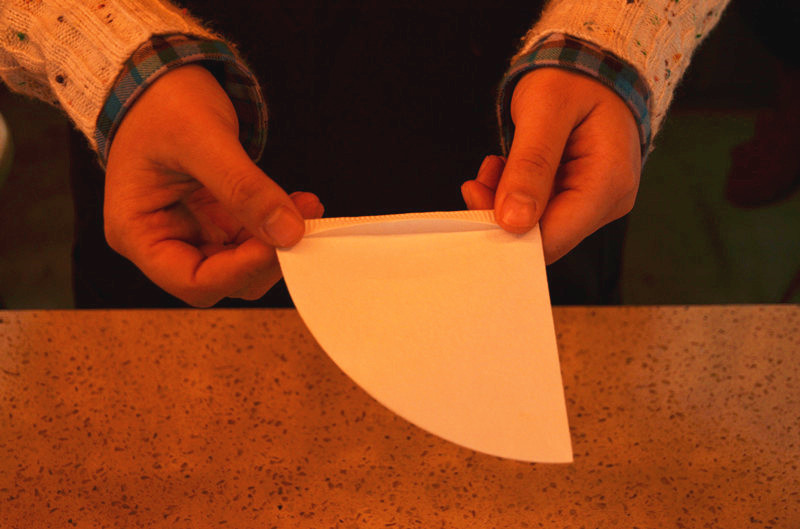
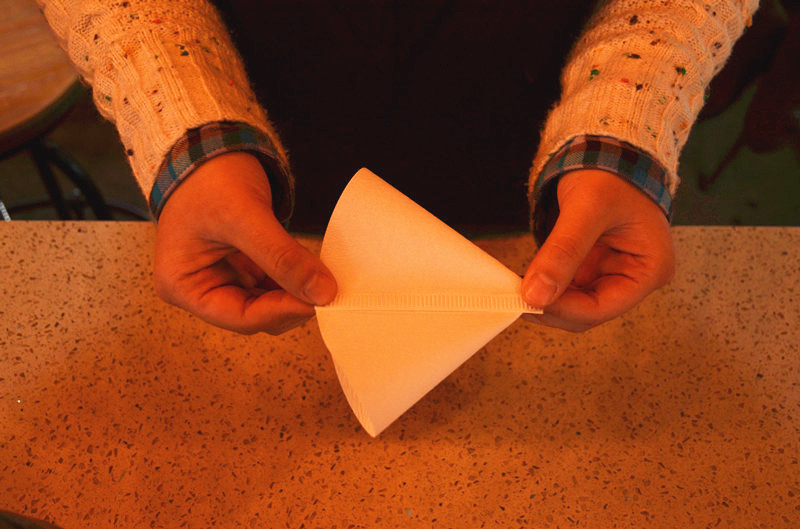
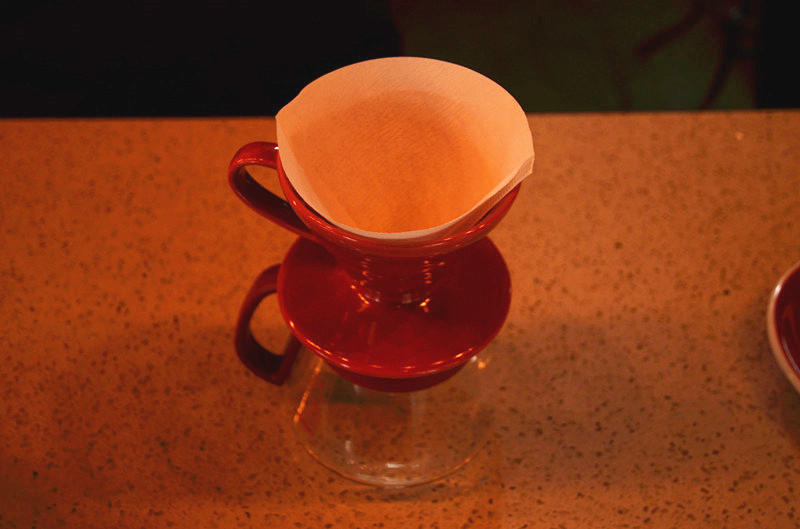
Use a bleached, medium-sized V60 filter. Fold along the pre-creased edge to remove the thicker portion, then open and place the filter into the dripper, aligning it against the brewer’s walls. Rinse thoroughly.
2. Measure Your Coffee
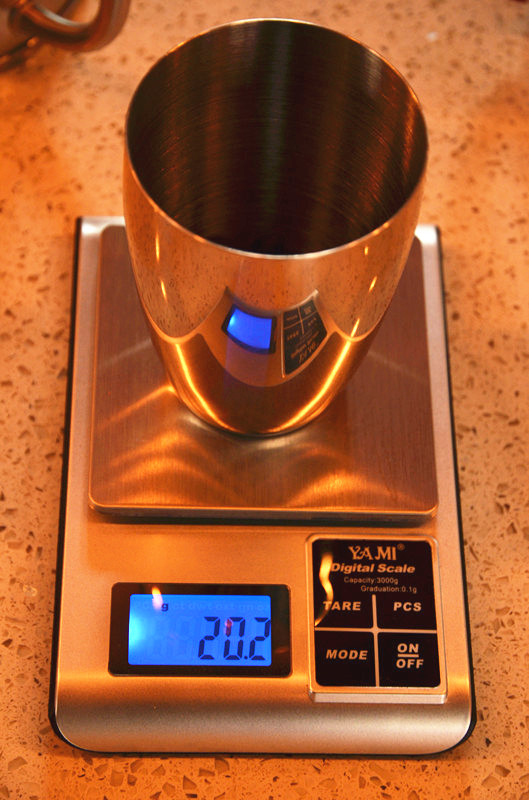
Weigh out 20g of freshly roasted whole coffee beans. Do not use 10g per cup—that’s a common but incorrect assumption. For best balance, dose properly for your brew ratio.
3. Grind the Coffee
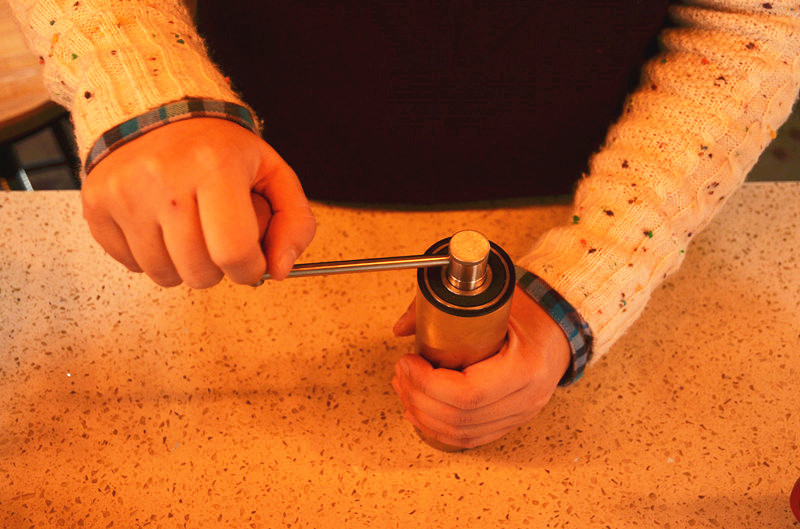
Grind the beans to a medium-fine consistency, roughly the texture of table sugar. Consistency is more important than absolute fineness.
4. Heat Your Water
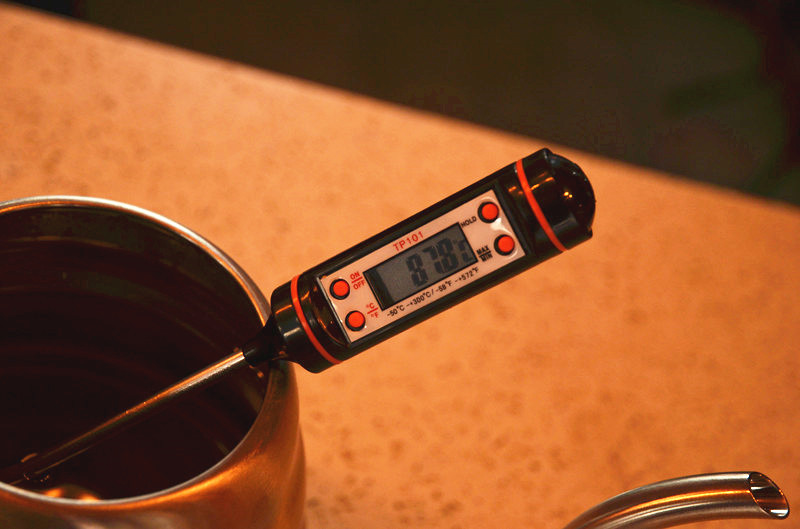
Heat filtered water to between 83°C and 95°C (181°F–203°F). Most people find success between 90°C–93°C (194°F–200°F), but adjust based on your beans’ roast level.
5. Rinse the Filter
Pour hot water evenly over the filter to wet it completely, ensuring it sticks to the dripper. Then discard the rinse water from the server. This removes paper taste, preheats your equipment, and helps with temperature stability.
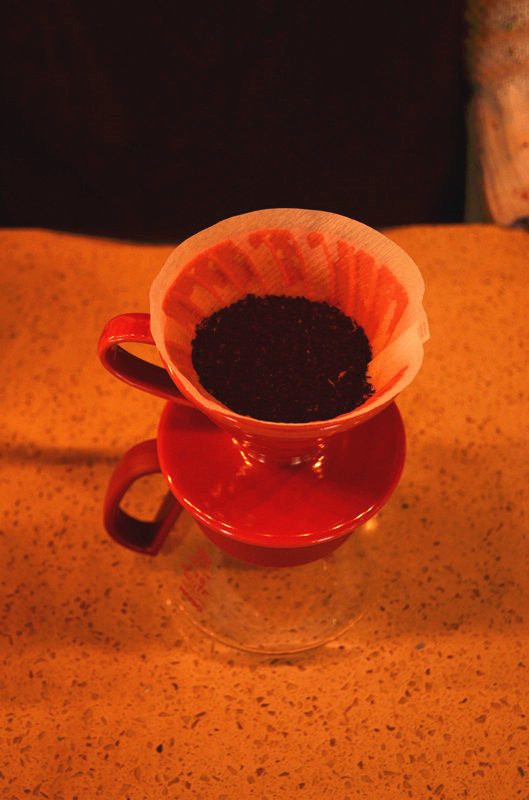
6. Add Ground Coffee
Place the 20g of ground coffee into the damp filter. Gently shake or tap to level the bed—this ensures even water flow.
7. Bloom the Coffee
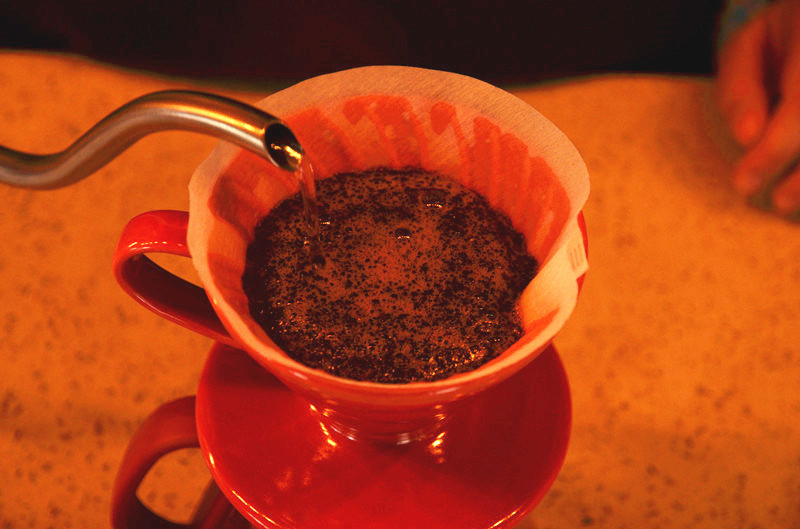
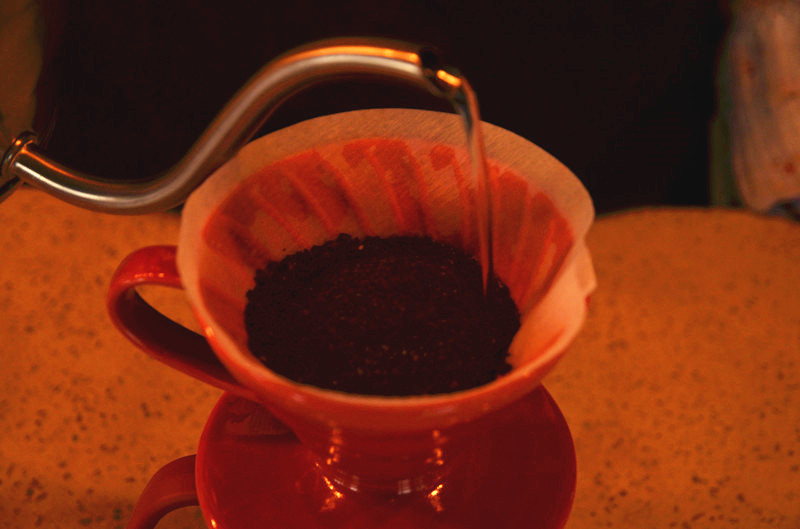
Start your timer. Slowly pour about 30g of water (1.5x the coffee weight) over the grounds, focusing on the center and avoiding the edges. Let it bloom for 30–45 seconds as CO₂ escapes and the coffee expands—especially noticeable in fresh, light roasts.
8. Begin the Main Pour
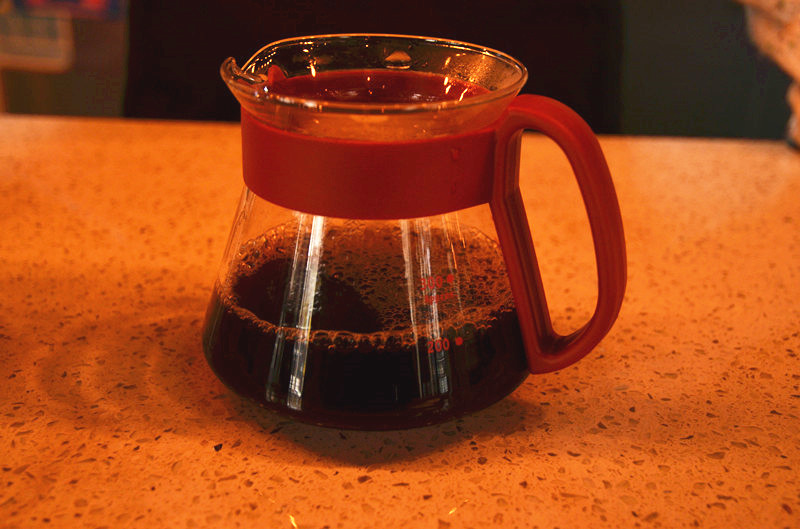
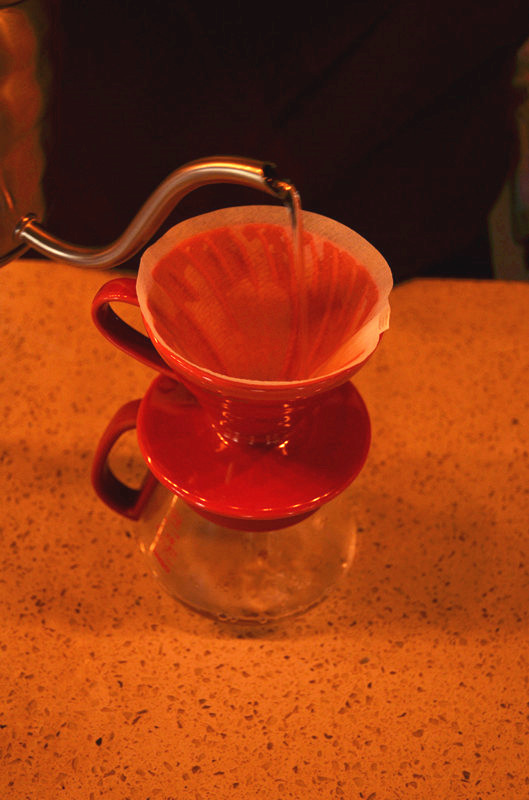
After blooming, continue pouring in a steady, controlled spiral. Start from the center, move outward in a circle, and return to the middle—avoid hitting the filter paper. Total brew water should reach 240ml. Many pour in 2–3 stages, but consistency matters more than method. Keep the flow steady and avoid drying spots.
9. Complete the Brew
Total brew time should be around 2:30–3:30 minutes depending on grind size and pour technique. Once you’ve poured 240ml, let the last drips finish, then remove the dripper.
10. Enjoy
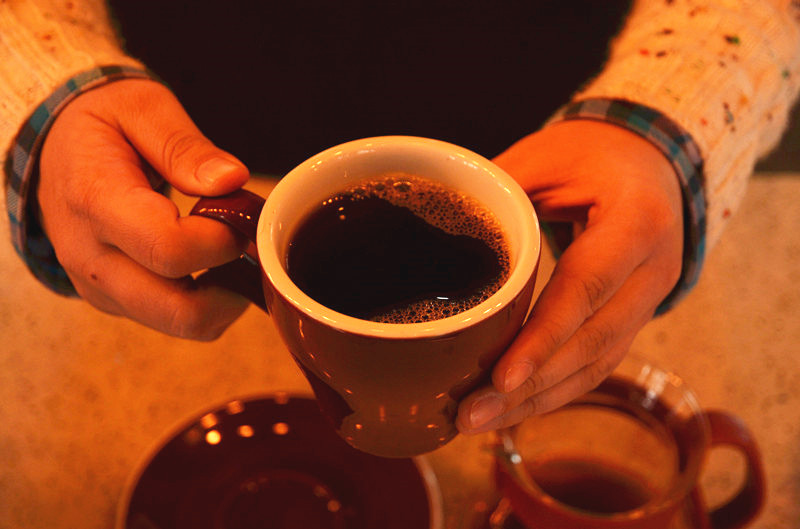
Pour your finished brew into a warmed mug and enjoy black to experience its full range of flavors. No need for milk or sugar to appreciate good coffee.
Frequently Asked Questions
What is the ideal coffee-to-water ratio for pour-over?
The standard brew ratio is 1:12 to 1:15. That means for every 1 gram of coffee, use 12–15 grams (millilitres) of water. For 20g of coffee, aim for 240–300ml of water. In this guide, we use 240ml for a 1:12 ratio, giving balanced strength and clarity.
Do I really need to bloom my coffee?
Yes. Blooming releases trapped CO₂ from freshly roasted coffee, which can block proper extraction. Pour about 1.5 times the coffee’s weight in water (e.g., 30g water for 20g coffee) and wait 30–45 seconds. This step improves flavor clarity and extraction evenness.
What grind size should I use for pour-over?
Use a medium-fine grind, similar to granulated sugar. Too fine and you’ll over-extract; too coarse and you’ll under-extract. Consistency is key—use a quality grinder for even grounds.
What water temperature is best for pour-over?
Most pour-over coffees brew well between 83°C and 95°C (181°F–203°F). A safe starting point is around 90°C–93°C (194°F–200°F). Lighter roasts can handle higher temps; darker roasts benefit from slightly cooler water.
Can I use any coffee beans for pour-over?
Yes, but freshly roasted, high-quality single-origin or specialty blends work best. Light to medium roasts often highlight more nuanced flavours. FrontStreet Coffee offers several excellent options tailored for pour-over brewing.
Recommended FrontStreet Beans for Pour-Over
For pour-over, try FrontStreet Coffee’s Brazil Yirgacheffe or Kenya Little Tomato for balanced profiles. The Brazil Yirgacheffe is a medium-roast blend with creamy texture and citrus sweetness, while Kenya Little Tomato shows bright berry notes with a juicy finish when brewed light. Both highlight the clarity pour-over is known for. Freshly roasted within 5 days · Orders placed before 17:00 ship the same day · Next-day delivery across most of Guangdong Province.
FrontStreet Coffee is a long-established specialty coffee roaster in Guangzhou China, selling freshly roasted beans from its own farm in Yunnan as well as dozens of carefully selected single-origin beans from around the world for both pour-over and espresso. The products deliver consistently excellent quality and great value, with shipping within 24 hours. Guangzhou's FrontStreet Coffee shop is recommended by many coffee lovers, and the beans are now available online at the Tmall 。
Important Notice :
前街咖啡 FrontStreet Coffee has moved to new addredd:
FrontStreet Coffee Address: 315,Donghua East Road,GuangZhou
Tel:020 38364473

