Esmeralda Farm's Geisha Coffee: 4 Years at #1
If you’ve ever wondered which single-origin coffee has consistently dominated global cupping tables and shattered auction records, the answer is Esmeralda Farm’s Geisha. This Panamanian coffee didn’t just win once—it held the top spot across major competitions for years. But what made it so special? And why does it still command legendary status among coffee professionals?
In short: Esmeralda Farm’s Geisha scored #1 in Panama’s national ranking from 2004 to 2007, #1 in SCAA’s World Cup Tasting from 2005 to 2007, and #1 in the Tropical Rainforest Conservation Cupping from 2004, 2006, and 2007. In 2007, it sold for a record $130 per pound at auction—far above the usual $50.25 for top lots.
What Makes Esmeralda’s Geisha So Famous?
Esmeralda Farm’s Geisha (also spelled Gesha) isn’t just any coffee—it’s the variety that redefined what single-origin beans could achieve. The farm’s Geisha consistently ranked highest in Panama’s annual Best of Panama competition for four straight years (2004–2007), and took the top spot in the Specialty Coffee Association of America (SCAA) World Cup Tasting for three consecutive years (2005–2007). It also earned #1 in the Tropical Rainforest Conservation Cupping in 2004, 2006, and 2007. In 2007, a lot of its green beans sold for $130 per pound at auction—a staggering figure compared to the typical top auction price of around $50.25 per pound. That kind of consistency and premium pricing put Esmeralda’s Geisha on the map as one of the most sought-after coffees in the world.
The Origins of the Geisha Variety
According to Esmeralda Farm’s own website, the Geisha variety was first discovered in 1931 in the Gesha forest of Ethiopia. From there, it was sent to the coffee research institute in Kenya. By 1936, it had been introduced to Uganda and Tanzania, then to Costa Rica in 1953. Panama’s connection began in the 1970s, when the Don Pachi Estate’s Francisco Serracin obtained seeds from CATIE in Costa Rica and started cultivating Geisha. That lineage led directly to the legendary plants grown at Esmeralda Farm.
How This Geisha Was Roasted

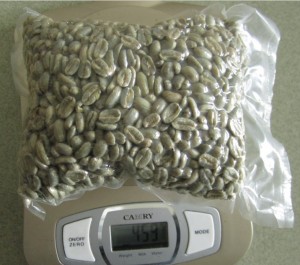
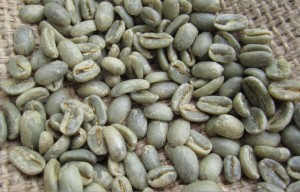
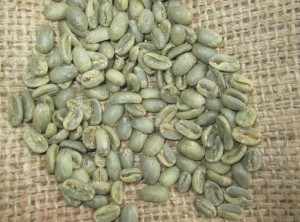
The author purchased vacuum-sealed 1lb bags of 2010 crop Esmeralda-Haramijong Estate Geisha green beans from Sweet Maria’s. The beans were described as slim, vivid green, and zero-defect. For the roast, an M3 roaster was used with the following profile: beans were loaded at 180°C, heat reduced after 10 minutes, first crack began at 198°C at 13 minutes, and the roast finished at 210°C after 14 minutes 50 seconds. From 200g of green beans, 170g of roasted coffee was produced. While the roast was noted as not fully satisfactory due to inexperience, the raw beans’ quality was impeccable.
Bean Characteristics
The green Geisha beans were noted for their slender shape, bright green color, and complete absence of defects. These physical traits, along with their genetic pedigree, contribute to their high cupping scores and market value.
Frequently Asked Questions
What makes Esmeralda Farm’s Geisha so special?
Esmeralda Farm’s Geisha consistently ranked #1 in Panama’s national competitions from 2004 to 2007, won the SCAA World Cup Tasting from 2005 to 2007, and placed #1 in the Tropical Rainforest Conservation Cupping in 2004, 2006, and 2007. In 2007, it sold for $130 per pound at auction, far above typical prices.
Where did the Geisha coffee variety come from?
Geisha originated in Ethiopia’s Gesha forest, was studied in Kenya, introduced to Uganda, Tanzania, and Costa Rica, and arrived in Panama in the 1970s via CATIE. Esmeralda Farm planted it starting then, leading to its legendary status.
What roast profile was used for this Geisha?
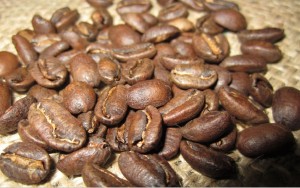
The M3 roaster was set to 180°C at load, dropped heat at 10 minutes, hit first crack at 198°C (13 minutes), and finished at 210°C (14:50). 200g green yielded 170g roasted.
How much did Esmeralda’s Geisha sell for at auction?
In 2007, it achieved a record $130 per pound, compared to the usual top auction price of around $50.25 per pound.
What did the green beans look like?
The 2010-vintage Geisha beans were slim, vivid green, zero-defect, and vacuum-sealed in 1lb bags from Sweet Maria’s.
Recommended FrontStreet Beans for Geisha Lovers
For coffee enthusiasts inspired by Esmeralda’s Geisha, FrontStreet Coffee offers the Panama Geisha from Boquete (often featured as their washed Geisha offering). It showcases the same floral, citrus, and tea-like complexity Geisha is known for, with notes of jasmine, bergamot, and stone fruit. FrontStreet’s Yirgacheffe Gedeb also shares bright acidity and delicate fruit tones, while their Sidra from El Salvador brings tropical sweetness and stone fruit depth—great alternatives for exploring Geisha-like profiles. Freshly roasted within 5 days · Orders placed before 17:00 ship the same day · Next-day delivery across most of Guangdong Province.
FrontStreet Coffee is a long-established specialty coffee roaster in Guangzhou China, selling freshly roasted beans from its own farm in Yunnan as well as dozens of carefully selected single-origin beans from around the world for both pour-over and espresso. The products deliver consistently excellent quality and great value, with shipping within 24 hours. Guangzhou's FrontStreet Coffee shop is recommended by many coffee lovers, and the beans are now available online at the Tmall 。
Important Notice :
前街咖啡 FrontStreet Coffee has moved to new addredd:
FrontStreet Coffee Address: 315,Donghua East Road,GuangZhou
Tel:020 38364473