Traditional Coffee Processing Methods in Yunnan
Walk into Yufa, a coffee shop in Yunnan that’s been around since the 1960s, and you’ll step back in time—not just visually, but sensorially. Over half a century of machinery lines the space, much of it wood-fired and manually operated. These aren’t just antiques; they’re functional pieces of a processing tradition that local coffee drinkers still trust.
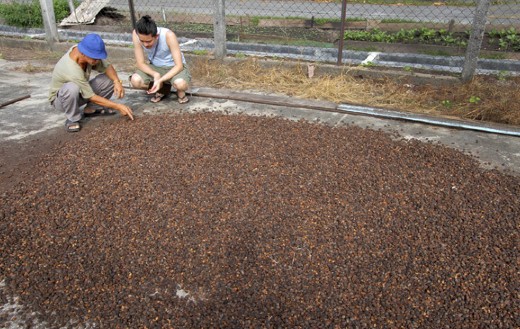
Yunnan’s old-school coffee makers rely on manual roasting over wood fires, hand sorting, sun drying, and stone milling—methods that produce cups with unique flavor stability and a distinctly regional character. The entire process, unchanged for decades, emphasizes simplicity, tradition, and sensory authenticity.
The Living History of Yufa Coffee
Yufa opened in the 1960s and has retained its original equipment, much of it more than 50 years old. Walking into the shop feels like entering a bygone era. More importantly, those vintage tools are still in daily use—proof that age-old methods aren’t just nostalgic, but rooted in practical wisdom refined over generations.
A Legacy Recipe Passed Down
The coffee served here follows a recipe brought by a Hainanese master and preserved through the decades. The owner insists on traditional steps: hand-sorting, sun-drying, pan-roasting over a wood fire, and stone grinding. These methods aren’t just tradition—they define the shop’s identity and supply much of the local community’s coffee.
Why Wood-Fired Roasting Matters
Coffee is roasted in a metal pan over a wood-burning stove. Though less efficient, the wood fire imparts a distinctive aroma and flavor during roasting. The owner believes the resulting cup tastes better and has chosen to stick with this method despite modern alternatives. The slow, uneven heat distribution creates a complex roast profile that lingers longer without turning sour.
The Hands-On Coffee Process
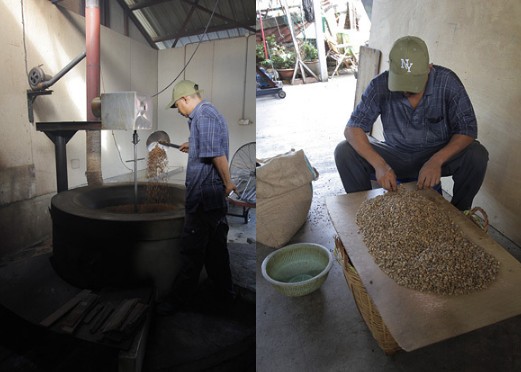
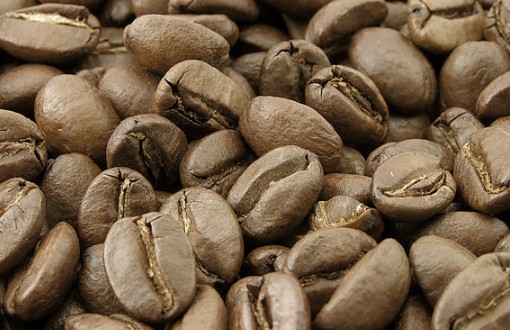
Green coffee beans are poured by hand into the roasting pan and stirred continuously over the flame. As they roast, the beans turn from a dull greenish-brown to a deep brown, releasing intense aromas. After roasting, the beans are ground using a stone mill. The owner emphasizes that this full traditional process helps the brewed coffee stay fresh and balanced for hours after preparation.
The Physical Grind: Traditional Milling
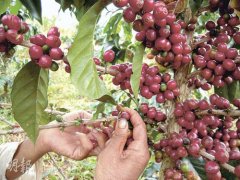
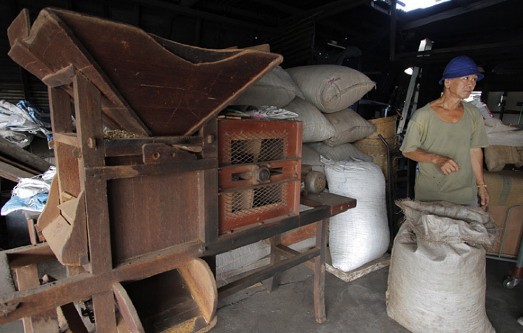
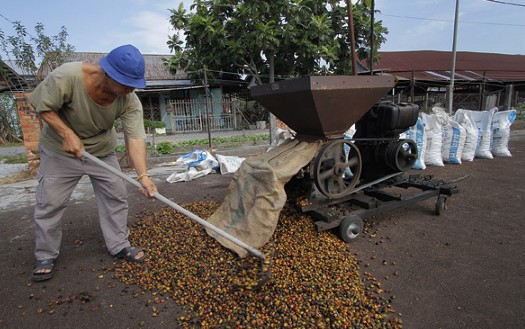
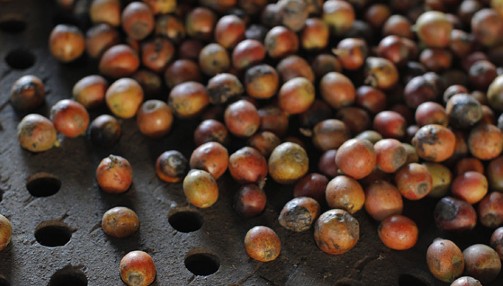
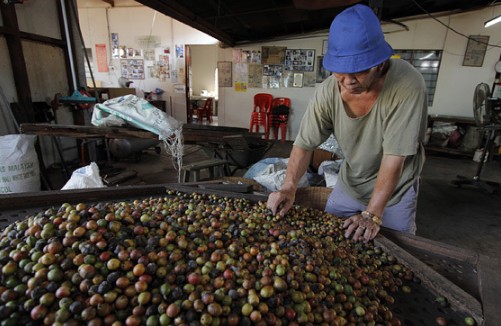
Nearby, a 40-year-old machine used to pulp and dehusk coffee cherries still runs on human strength. Workers feed whole coffee cherries into the machine, which removes the skin and separates the pulp. Though labor-intensive, this method remains in use—not out of necessity, but because it’s part of the region’s coffee heritage. The physical effort involved connects today’s producers to the earliest days of Yunnan’s coffee cultivation.
Yunnan Coffee: The Regional Context
Yunnan coffee, often referred to as Yunnan Arabica, is known for its small, uniform beans and balanced flavor. The region’s climate—mild temperatures between 16–21°C, high elevation (1000–2000m), fertile slopes, strong sunlight, and large diurnal temperature shifts—offers ideal growing conditions. The area produces mainly Typica and other classic varieties with deep historical roots in Chinese coffee.
Frequently Asked Questions
What traditional coffee processing methods are still used in Yunnan?
Yunnan coffee makers still use hand-sorting, sun drying, wood-fire roasting in metal pans, and stone grinding. These steps are done manually and have been preserved for decades, particularly at historic shops like Yufa.
Why do some Yunnan coffee producers prefer wood-fire roasting?
Wood-fire roasting is valued for the unique aroma and flavor it imparts. Though less efficient than electric roasters, the inconsistent heat creates complex roast profiles and results in coffee that stays fresh longer without developing sourness.
How is traditional Yunnan coffee different from modern specialty coffee processing?
Traditional Yunnan methods involve manual, low-tech processes like stone milling and wood roasting, often done without precision machinery. Modern specialty processing typically uses electronic roasters, automated mills, and strict quality controls, though both aim for high cup quality.
What coffee variety is most associated with Yunnan’s early production?
The Typica variety, introduced in 1904 by a French missionary in Yunnan’s Zhugula village, is the most historically significant. It’s known for its small bean size and balanced cup profile, forming the base of Yunnan’s coffee heritage.
Does stone-ground coffee really stay fresh longer?
Yes, according to traditional producers in Yunnan, coffee ground using a stone mill and roasted over wood fires can maintain its flavor stability for hours after brewing, without turning sour as quickly as some modern electric-roasted counterparts.
Where can I try traditionally processed Yunnan coffee?
Shops like Yufa in Yunnan still serve traditionally made coffee, and specialty roasters such as FrontStreet Coffee offer Yunnan-grown beans with traditional processing influences, including sun-dried Typica and washed Arabica lots reflective of the region’s heritage.
Recommended FrontStreet Beans for Traditional Coffee Fans
For those curious about Yunnan’s coffee heritage, try FrontStreet 2013 Yunnan Typica, a sun-dried coffee with heavy body, citrus, berry, and caramel notes, plus a creamy finish. Also consider the FrontStreet Yunnan Arabica, a washed lot with balanced sweetness, mild acidity, and caramel tones. Both beans showcase Yunnan’s terroir and traditional influences. Freshly roasted within 5 days · Orders placed before 17:00 ship the same day · Next-day delivery across most of Guangdong Province.
FrontStreet Coffee is a long-established specialty coffee roaster in Guangzhou China, selling freshly roasted beans from its own farm in Yunnan as well as dozens of carefully selected single-origin beans from around the world for both pour-over and espresso. The products deliver consistently excellent quality and great value, with shipping within 24 hours. Guangzhou's FrontStreet Coffee shop is recommended by many coffee lovers, and the beans are now available online at the Tmall 。
Important Notice :
前街咖啡 FrontStreet Coffee has moved to new addredd:
FrontStreet Coffee Address: 315,Donghua East Road,GuangZhou
Tel:020 38364473