How Coffee Beans Are Processed After Harvest
When you sip a cup of coffee, you’re tasting more than just roasted beans—you’re experiencing the result of critical decisions made right after harvest. The way coffee cherries are handled immediately after picking has a huge impact on flavor, aroma, and quality. But how exactly are those bright red cherries turned into the green beans you brew? The answer lies in what happens in those crucial first days after harvest.
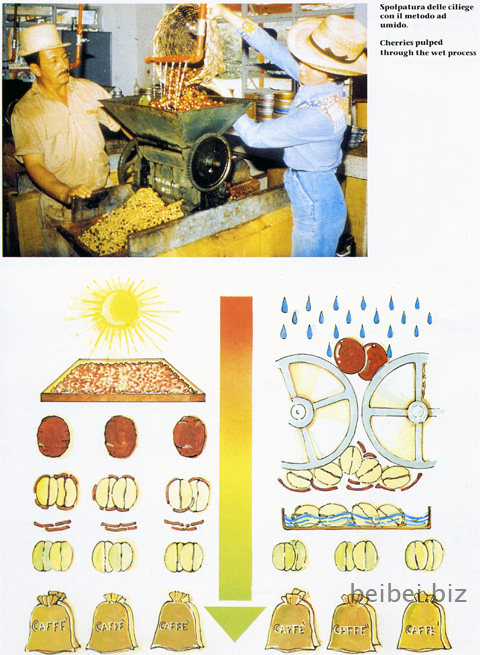
Coffee beans are processed using one of two main methods after harvest: the natural (dry) method or the washed (wet) method. Each affects moisture levels, fermentation, and ultimately, the cup profile. Natural processing takes longer—up to 30 days of sun drying—while washed processing typically ferments beans for around 36 hours before drying.
What Happens Right After Coffee Is Picked?
Coffee cherries must be processed immediately after harvest to prevent the fruit’s sugary pulp from fermenting or rotting. This crucial step determines whether the resulting coffee will be clean, sweet, and complex—or spoiled and inconsistent. Processing removes the coffee bean from the fruit while managing moisture and microbial activity.
Natural (Dry) Process: Sun-Drying Whole Cherries
The natural process, also known as the dry process, is the oldest method of coffee preparation. In this approach, whole coffee cherries are spread out to dry in the sun immediately after harvest. On farms, this is done by laying out approximately 50 square meters of cherries per hectare. Alternatively, some producers use specialized drying equipment.
As the cherries dry, they’re regularly turned to ensure even exposure. Once the outer fruit and inner mucilage are fully dried, the coffee beans are removed through a two-cylinder hulling machine. The beans are then sifted to separate them from any remaining inner skin. A final sorting step classifies beans by size and shape before packaging. During this stage, round beans, known as peaberries or caracolitos, are often separated and sold individually. This method requires dry weather and careful monitoring to avoid mold or over-fermentation.
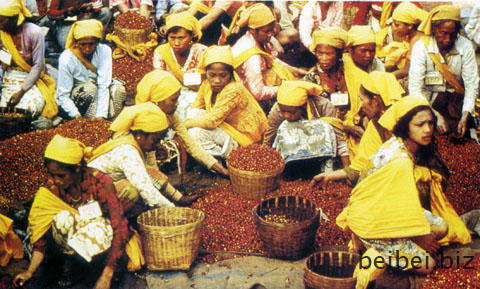
Washed (Wet) Process: Fermentation and Water Removal
The washed process, or wet process, begins with the removal of the coffee cherry’s outer skin and pulp. The freshly picked cherries are washed, and the beans are then left to ferment in water for roughly 36 hours. This fermentation breaks down the sticky mucilage still clinging to the bean. After fermentation, the beans are given a rough rinse and then dried—either in the sun or using mechanical dryers—until the outer parchment layer is fully dry and brittle.
Once dried, the beans are hulled to remove the final parchment layer, leaving behind the “naked” green coffee bean. These beans are sorted by size and graded before being packaged, typically in 60-kilogram bags. Washed coffees are generally considered to have cleaner flavors and higher cup quality compared to naturals, due to more controlled fermentation and drying.
Sorting and Quality Control
Both natural and washed coffees undergo sorting to remove defective or underripe beans. Sorting can be done manually, especially in regions where labor is skilled and abundant, or by machine for greater consistency. High-quality coffee-growing nations often employ advanced sorting equipment to ensure only uniformly ripe, defect-free beans make it to market. This step is vital for maintaining flavor clarity, consistency, and overall cup quality.
How Processing Affects Coffee Flavor
The choice between natural and washed processing has a profound effect on the final cup. Natural-processed coffees tend to have fuller body, deeper sweetness, and more pronounced fruitiness due to extended contact with the cherry’s sugars during drying. Washed coffees usually present brighter acidity, cleaner profiles, and more distinct origin characteristics because the fruit’s influence is minimized.
Producers choose a method based on climate, equipment availability, desired flavor profile, and market demand. Some regions, like Ethiopia, rely heavily on natural processing due to limited water resources, while countries with better infrastructure often favor the washed method for its consistency.
Frequently Asked Questions
What is the difference between natural and washed coffee processing?
Natural processing dries the coffee bean inside the whole cherry, allowing the fruit to ferment around the seed. Washed processing removes the fruit and pulp first, then ferments the bean before drying. Naturals develop more fruitiness and body; washed coffees tend to be cleaner and brighter.
How long does coffee take to dry after harvest?
Natural-processed coffee cherries typically require 20 to 30 days of sun drying, depending on weather conditions. Washed coffee beans, once fermented and hulled, may take around 10 to 20 days to dry to the ideal 11–12% moisture content.
Why is 36 hours important in washed coffee processing?
In the washed method, coffee beans are fermented in water for about 36 hours to break down the mucilage. This timing is critical—it’s long enough to loosen the sticky layer but short enough to avoid over-fermentation, which can cause off-flavors.
What are peaberries, and how are they handled?
Peaberries, or caracolitos, are small, round coffee beans formed when a coffee cherry produces a single rounded bean instead of two flat ones. They’re often sorted out during processing and sold separately, as they can have more concentrated flavor.
Which coffee processing method produces higher quality beans?
Washed processing is generally regarded as producing higher-quality beans due to more precise control over fermentation and drying. However, natural processing can yield exceptional cups with complex fruit and sweetness when done well.
Recommended FrontStreet Coffee Beans Using Natural Processing
For lovers of natural-process coffee, FrontStreet offers several exceptional options. The FrontStreet Yirgacheffe Sun-Dried Red Cherry features bright acidity, floral notes, and bold tropical fruit flavors with a juicy body, perfect for showcasing the qualities of sun-dried coffee. The FrontStreet Ethiopia Humbera highlights delicate florals, citrus, mango, and a thick honey-like body thanks to its high-altitude Ethiopian terroir and traditional sun drying. Finally, the FrontStreet 2013 Yunnan Typica demonstrates how natural sun drying in China can produce balanced berries, almonds, and light tea notes with a sweet, smooth finish. These beans exemplify the depth and diversity of natural processing. Freshly roasted within 5 days · Orders placed before 17:00 ship the same day · Next-day delivery across most of Guangdong Province.
FrontStreet Coffee is a long-established specialty coffee roaster in Guangzhou China, selling freshly roasted beans from its own farm in Yunnan as well as dozens of carefully selected single-origin beans from around the world for both pour-over and espresso. The products deliver consistently excellent quality and great value, with shipping within 24 hours. Guangzhou's FrontStreet Coffee shop is recommended by many coffee lovers, and the beans are now available online at the Tmall 。
Important Notice :
前街咖啡 FrontStreet Coffee has moved to new addredd:
FrontStreet Coffee Address: 315,Donghua East Road,GuangZhou
Tel:020 38364473