How to Roast Coffee Beans at Home: Tips & Techniques
If you’ve ever wondered why the same green coffee beans can taste wildly different—sometimes bright and juicy, other times dark and smoky—the answer lies in how they’re roasted. Home roasting puts you in control, letting you explore those changes firsthand.
The key factors in coffee roasting are temperature curve and time. Short roasts (fast, high heat) bring out intense acidity and sweetness but fade quickly. Standard roasts offer balanced, elegant flavors. Long, slow roasts develop deeper, smoother profiles. Each method alters taste, body, and aroma in predictable ways.
Why Roast Your Own Coffee?
Home roasting lets you craft coffee exactly the way you like it—whether for pleasure or professional curiosity. The same green beans, roasted to light, medium, or dark profiles, will taste completely different. Many home roasters experience a thrill in dialing in their perfect roast, whether that means stopping five seconds earlier or experimenting with pre-washed beans. Beyond the fun, it also cuts costs compared to buying pre-roasted specialty coffee.
Debunking the Mystery of Roasting
Roasting often seems like a black box—complex and intimidating. But once you start, you enter a world of discovery. The basics aren’t secret: it’s about applying heat over time to transform raw beans into something fragrant and flavorful. With practice, you’ll learn to recognize roast stages and develop your personal style. That journey starts with understanding the two big variables: temperature and time.
The Science of Roast Curves
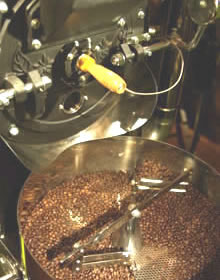
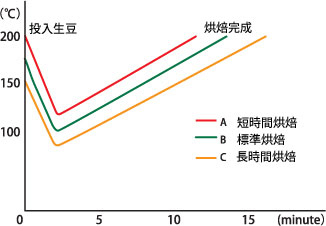
Coffee roasting relies on two critical elements: temperature change and roast duration. Visualize three common roast curves:
- Curve A (Short Roast): Beans are preheated to at least 100°C, then roasted quickly with a temperature rise of 10–12°C per minute. Preheat might involve 1.5 KPA gas pressure for 15 minutes. This method extracts bold flavors fast—intensifying acidity, bitterness, and sweetness—but the cup tends to lose complexity quickly.
- Curve B (Standard Roast): A shorter preheat period, with beans roasted at around 100°C using medium heat. This yields more balanced, elegant cup profiles and is the most common baseline for specialty roasters.
- Curve C (Long Roast): Beans are held at around 90°C initially to gently dry moisture. The extended roast time results in smoother, lighter-bodied flavors. Both standard and long roasts tend toward subtler, more refined taste profiles.
These curves illustrate how roast time and heat application steer flavor development. A faster, hotter roast (A) highlights intense, immediate characteristics but can taste one-dimensional. Slower, cooler roasting (C) allows more nuanced flavors to emerge.
How Bean Type Influences Roast Approach
Different coffee beans require tailored roast profiles. Bean density, size, and harvest hardness all affect how heat penetrates. For example, denser beans may need a slightly slower initial ramp to ensure even development, while softer beans might over-develop if roasted too aggressively. Adjusting your roast based on origin, processing method, and bean characteristics is part of mastering the craft.
Many home roasters routinely tweak their methods—extending roast time by ‘just five more turns,’ rinsing green beans beforehand, or even stopping and restarting the roast midway (known as a ‘double roast’). These experiments help you understand what works for each bean type and desired flavor outcome.
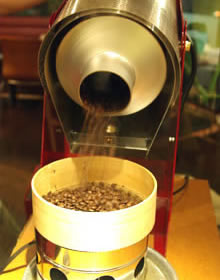
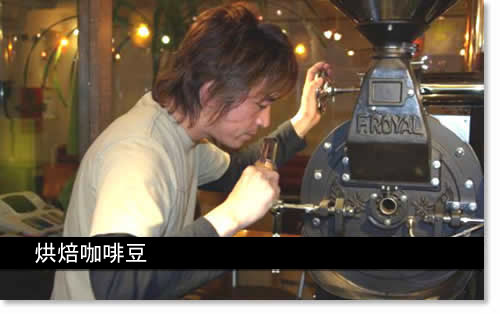
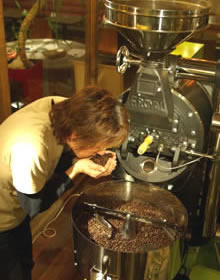
What was once a mysterious process is now an accessible, rewarding hobby. With tools like the FUJIROYAL 3kg roaster or the compact FUJIROYAL sample roaster (pictured as
Frequently Asked Questions
What’s the easiest roast level for beginners?
Standard roast (around Curve B) is ideal for newcomers. It offers balanced flavors without extreme acidity or bitterness, making it easier to taste subtle differences and understand how roast time affects the cup. It’s forgiving and a great baseline for experimentation.
How does roast time affect coffee flavor?
Shorter roast times (like Curve A) enhance brightness, acidity, and sweetness but can taste sharp or one-note. Longer roasts (like Curve C) mellow those edges, producing smoother, deeper tones. The roast duration directly influences how developed the final flavors are.
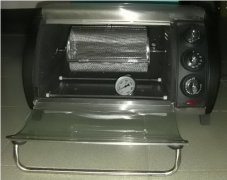
Can I roast coffee at home without expensive equipment?
Yes. While commercial roasters like the FUJIROYAL make control easier, many home roasters start with simple hot-air popcorn poppers or small drum machines. The key is controlling temperature and tracking time to understand how your setup affects the roast curve.
Why does roast level change the taste so much?
Different roast levels trigger varying chemical reactions—especially the Maillard reaction and caramelization. Light roasts preserve more origin flavors and acidity. Darker roasts emphasize roasted, bitter-sweet notes like chocolate and toast. The roast level determines which compounds dominate the cup.
What’s the biggest mistake new home roasters make?
Over-roasting or under-roasting due to inconsistent temperature control. Many beginners roast too fast or too long without monitoring the curve. The solution is to start with a standard roast profile, log your process, and adjust gradually.
How do I know when my roast is done?
Experienced roasters look for first and second crack stages, color changes, and aroma cues. For beginners, using a timer alongside temperature readings helps track progress. The goal is to stop the roast at your desired flavor profile—whether bright and light or rich and dark.
Recommended FrontStreet Beans for Home Roasting Exploration
To practice home roasting, try FrontStreet Coffee’s Brazil Queen Manor (medium roast, creamy peanut and chocolate notes), Strawberry Candy Espresso (medium, citrusy and sweet), or 2013 Sun-Dried Yunnan Typica (medium, with almond and caramel balance). These beans respond well to different roast levels and highlight how roast technique shifts flavor. Freshly roasted within 5 days · Orders placed before 17:00 ship the same day · Next-day delivery across most of Guangdong Province.
FrontStreet Coffee is a long-established specialty coffee roaster in Guangzhou China, selling freshly roasted beans from its own farm in Yunnan as well as dozens of carefully selected single-origin beans from around the world for both pour-over and espresso. The products deliver consistently excellent quality and great value, with shipping within 24 hours. Guangzhou's FrontStreet Coffee shop is recommended by many coffee lovers, and the beans are now available online at the Tmall 。
Important Notice :
前街咖啡 FrontStreet Coffee has moved to new addredd:
FrontStreet Coffee Address: 315,Donghua East Road,GuangZhou
Tel:020 38364473