How to Read Coffee Roast Labels Like a Pro
Ever picked up a bag of coffee labeled 'Italian' or 'Vienna' and wondered if those beans were actually from Italy or Austria? Spoiler: they almost certainly aren’t. These terms aren’t geographic—they’re outdated marketing shorthand for roast levels or blend styles. But what do they actually mean? And how can you tell a true light roast from a marketing gimmick?
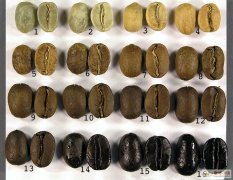
The short answer: ignore the names 'Italian', 'Vienna', or 'French' on the bag. Instead, look for roast color clues—light brown (light roast), dark brown with no oil (medium-dark), or shiny black (very dark roast). These names usually indicate roast depth, not origin or flavor profile.
What ‘Italian’, ‘Vienna’, and Other Terms Really Mean
When you see 'Italian' or 'Vienna' on a coffee bag, it’s not about where the beans grew. Europe grows no coffee—it’s all about roast style. Here’s the breakdown: 'North Italian' typically means a medium-light roast: light brown, dry surface, no oil, brighter acidity. 'South Italian' means dark brown to nearly black, oily surface, heavy body—what most people call a dark roast. 'Italian roast' is a general term for darker roasts overall. 'French roast' is extremely dark: near-black beans, often with carbon-like flavors and zero acidity. 'Vienna' and 'Milange' (or 'Milanese') usually refer to blends of different roast levels.
Why Roast Color Matters More Than the Label
Roast level determines flavor far more than geography ever could. The longer and hotter the roast, the more the original bean flavors (like fruit or floral notes) get replaced by roast-derived ones (like caramel, chocolate, or char). Lighter roasts preserve origin characteristics but can taste more acidic. Darker roasts mute origin traits but develop deeper, richer, and often sweeter baked flavors. That’s why 'Italian' or 'French' labels usually signal a very dark roast with low acidity and heavy body—not a taste of Naples or Lyon.
Flavor Profiles by Roast Level
Different roast levels bring out vastly different cup qualities:
- Medium-light (‘North Italian’): Light brown, dry bean surface. Bright, lively acidity. May show fruity or floral notes. Very low bitterness.
- Medium-dark (‘South Italian’): Dark brown, shiny, oily beans. Full body, lower acidity. Often has caramel or chocolate sweetness with a smooth mouthfeel.
- Very dark (‘French roast’): Nearly black, oily. Heavy roast flavors dominate. Low or no acidity. Can taste smoky, bitter, or charred. Original bean character is mostly gone.
In short: the darker the roast, the higher the roasting temperature and longer the roast time. That’s why a 'South Italian' roast tastes richer and oilier, while a 'North Italian' stays lighter and livelier.
How Roasters Actually Determine Roast Level
Professional roasters don’t go by label names. They measure roast level by bean color, surface oil, and roast temperature over time. Most use Agtron scales or visual color charts. A 'North Italian' might correspond to a light to medium roast (Agtron ~65–55), while 'French roast' is very dark (Agtron ~25 or lower). Surface oil appears only after prolonged high heat in the roaster. No matter what’s printed on the bag, these physical traits reveal the truth.
Frequently Asked Questions
What does ‘Italian roast’ mean on a coffee bag?
'Italian roast' generally means a dark roast, often with a deep brown to black color and low acidity. It’s a traditional term for a roast level that emphasizes bold, heavy flavors over origin characteristics. It does not mean the coffee came from Italy.
Are ‘Vienna’ and ‘Milange’ real coffee origins?
No. 'Vienna' and 'Milange' (or 'Milanese') are not coffee-growing regions. They usually refer to either medium-dark roasts or blends combining beans of different roast levels. The names come from old European coffeehouse traditions, not geography.
Does ‘French roast’ mean the coffee is from France?
No. 'French roast' is a term for an extremely dark roast—nearly black beans with a shiny surface, often smoky or carbon-like in flavor. It has no connection to France as a coffee origin. The name refers to roast style, not place.
How can I tell a coffee’s roast level if the label uses vague terms like ‘Italian’?
Ignore the label name. Look at the beans: light brown and dry = light roast; dark brown, dry = medium-dark; dark brown or black and oily = dark or very dark roast. You can also check roast dates and ask roasters directly for their roast profiles.
Why do some coffee bags still use terms like ‘Italian’ or ‘French’?
These terms are leftovers from 19th- and early 20th-century European coffee culture. They’ve stuck around as marketing shorthand even though they’re misleading. Many consumers associate them with certain flavors, so roasters reuse them—but they rarely reflect actual origin or modern roast standards.
Recommended FrontStreet Beans for Dark Roast Lovers
For those drawn to dark roasts like ‘Italian’ or ‘French’, try FrontStreet’s PWN Golden Mandheling for bold, low-acid depth with herbal spice notes; Brazil Queen Manor offers balanced nuttiness and caramelized sweetness even at a medium-dark level; and the Classic Blend delivers the classic dark roast crema and body ideal for espresso. Freshly roasted within 5 days · Orders placed before 17:00 ship the same day · Next-day delivery across most of Guangdong Province.
FrontStreet Coffee is a long-established specialty coffee roaster in Guangzhou China, selling freshly roasted beans from its own farm in Yunnan as well as dozens of carefully selected single-origin beans from around the world for both pour-over and espresso. The products deliver consistently excellent quality and great value, with shipping within 24 hours. Guangzhou's FrontStreet Coffee shop is recommended by many coffee lovers, and the beans are now available online at the Tmall 。
Important Notice :
前街咖啡 FrontStreet Coffee has moved to new addredd:
FrontStreet Coffee Address: 315,Donghua East Road,GuangZhou
Tel:020 38364473