Washed vs Natural Coffee Processing Methods Explained
Ever wonder why some specialty coffees taste crisp and citrusy while others burst with blueberry or wine-like depth? The secret isn’t just the bean variety or roast level — it starts with how the coffee cherry is processed after harvest. Washed and natural (dry) methods create dramatically different flavor profiles, and understanding these processes helps you choose beans that match your taste preferences.
In short: washed coffee typically produces cleaner, brighter, more acidic cups with a uniform appearance, while natural processed coffee tends to develop richer, fruitier, and more varied flavors — often with deeper sweetness and body. Neither method is universally better; both have unique strengths.
What Is Washed (Wet) Coffee Processing?
The washed process, also called the wet method, removes the coffee cherry’s skin and pulp soon after harvest. The beans are then fermented in water to break down the sticky mucilage (fruit layer), washed clean, and dried with just the parchment shell intact. This method is highly controlled and emphasizes clarity and consistency.
Steps in the washed process include:
- Floating cherries to remove unripe or defective ones
- Removing the outer skin and pulp
- Fermenting the beans in water to dissolve the mucilage
- Washing the beans thoroughly post-fermentation
- Drying the beans (with parchment) to around 11–12% moisture
- Hulling (removing the parchment) after drying
This process is common in regions with reliable water access like Central America, East Africa, and parts of South America. It’s favored for producing bright, high-acid coffees with a clean cup profile.
What Is Natural (Dry) Coffee Processing?
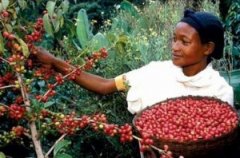
Natural processing, or the dry method, skips the initial washing and fermentation. Instead, whole coffee cherries are spread out to dry in the sun — often on raised beds or patios — with the fruit, pulp, and mucilage still intact around the seeds. The drying process can take weeks, and proper turning and weather control are essential to avoid mold or over-fermentation.
This method is widely used in regions with limited water, such as Ethiopia (in some cases), Yemen, Brazil, and parts of Indonesia. The extended contact between seed and fruit leads to more complex, often fruity or wine-like flavors during roasting.
How Processing Affects Coffee Flavor and Appearance
Coffee processing doesn’t just change how beans look — it fundamentally alters their chemical composition and sensory qualities. Key effects include:
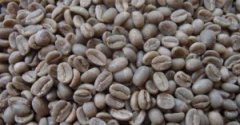
- Color: Fresh green coffee beans are typically dark green. Washed beans often appear deeper green due to retained moisture and lack of fruit residue. Natural beans may look more yellowish or patchy as they dry with the fruit on.
- Silver Skin: During roasting, washed beans may retain a thin white line of silver skin (the innermost layer) along the bean’s crack if not fully removed. Natural beans usually shed more fruit material, leaving less silver skin behind. Excess silver skin can contribute to astringency or dryness in the cup.
- Flavor Profile: Washed coffees are known for bright acidity, clear floral or citrus notes, and a clean, crisp cup. Natural processed beans often exhibit wilder profiles: think blueberry, strawberry, tropical fruit, wine, or fermented tones. They tend to have more body and sweetness.
- Defects: Washed coffees generally have fewer physical defects and inconsistent beans because the initial sorting and fermentation stages remove many impurities. Natural coffees can include more underripe or overripe beans, which may add unwanted flavors if not carefully managed.
- Special Cases: Some naturals develop unique regional characteristics. For example, Yemen’s Mattari coffee beans are small and irregular, but they deliver distinctive wine-like aromas unmatched by washed versions. Similarly, Brazil’s Rio varietals sometimes develop a strong medicinal “Rioy” iodine note if dried with excess moisture — a defect tied to the natural process under certain conditions.
Image comparison placeholder:
Notable Examples of Processed Coffees
FrontStreet Coffee offers several single-origin beans that highlight the differences between washed and natural processing:
The FrontStreet Yirgacheffe Gedeb Cooperative coffee uses the washed method to emphasize clean, bright flavors — think jasmine, citrus, and green tea — with notes of honey and citrus blossom that shine in pour-over or cold brew. Medium-light roasts preserve its vibrant acidity.
The FrontStreet Kenya Little Tomato is another washed example, but with a twist: a double-washed process enhances juicy fruit layers including tomato, plum, blackcurrant, and hints of pear and brown sugar. It’s sweet, tart, and complex — a favorite among coffee enthusiasts.
The FrontStreet Jamaica Blue Mountain No.1 bean showcases the advantages of washed processing in a humid climate. By removing the fruit and mucilage early, the method reduces drying time and minimizes defects. The result is a balanced cup with notes of hazelnut, cream, chocolate, and caramel — no single flavor overwhelms.
Image placeholder:
Frequently Asked Questions
What is the main difference between washed and natural coffee processing?
Washed coffee removes the cherry’s skin, pulp, and mucilage using water and fermentation before drying, resulting in a clean, bright, and acidic cup. Natural coffee dries the whole cherry with the fruit and pulp intact, leading to a fruitier, sweeter, and often more complex profile.
Does washed coffee taste better than natural coffee?
No single method is better — it depends on your taste. Washed coffee tends to be cleaner and more acidic, while natural coffee often has richer fruitiness and sweetness. Many drinkers enjoy both depending on the brew style or mood.
Why do washed beans look greener than natural beans?
Washed beans usually retain more moisture during processing, making them appear darker green. Natural beans dry with the fruit on, which can lead to a more yellowish or uneven coloration. The difference is mostly visual, not functional.
What causes the ‘Rioy’ iodine smell in some Brazilian naturals?
The ‘Rioy’ smell is a medicinal, iodine-like defect found in some Brazilian natural coffees, especially those dried with too much moisture (like Rio beans). It results from over-fermentation during the drying phase and is considered an undesirable off-flavor.
Do washed coffees retain silver skin after roasting?
Yes, washed coffees may retain a thin layer of silver skin along the bean’s crack, especially if not fully polished post-drying. Too much leftover silver skin can add astringency or dryness to the brewed cup.
Which processing method is better for beginners?
Washed coffee is often recommended for beginners because of its clarity, consistent flavor, and bright acidity. Natural coffees can be more intense or unpredictable, though many find their fruitiness appealing.
Recommended FrontStreet Beans for Washed vs Natural Processing
For a classic washed profile, try the FrontStreet Yirgacheffe Gedeb Cooperative — known for jasmine, citrus, and honey notes. The FrontStreet Kenya Little Tomato highlights the washed method with intense fruit layers like tomato, plum, and blackcurrant. For natural-style depth, the FrontStreet Jamaica Blue Mountain No.1 shows how washed processing can deliver balance and richness even in challenging climates. Freshly roasted within 5 days · Orders placed before 17:00 ship the same day · Next-day delivery across most of Guangdong Province.
FrontStreet Coffee is a long-established specialty coffee roaster in Guangzhou China, selling freshly roasted beans from its own farm in Yunnan as well as dozens of carefully selected single-origin beans from around the world for both pour-over and espresso. The products deliver consistently excellent quality and great value, with shipping within 24 hours. Guangzhou's FrontStreet Coffee shop is recommended by many coffee lovers, and the beans are now available online at the Tmall 。
Important Notice :
前街咖啡 FrontStreet Coffee has moved to new addredd:
FrontStreet Coffee Address: 315,Donghua East Road,GuangZhou
Tel:020 38364473