
How Different Countries Traditionally Drink Coffee
Ever wondered why your Turkish friend sips tiny cups of thick, sweet coffee while your Swedish colleague pours a light, clear brew into a mug? Or why Italians won’t touch milk in their espresso, but Americans practically bathe in it? The way we drink coffee isn’t just about taste—it’s cultural, historical, and deeply personal. Let’s break down how different parts of the world take their coffee, from the rituals to the roasts.
From the thick, sugar-laced espresso-like brews of the Middle East to the milky, diluted office pots of North America, coffee traditions vary wildly. Key differences include roast level (dark to light), serving style (small cup vs. large mug), and additions (sugar, milk, or none), with grind size and brewing methods adapted accordingly.
Middle Eastern Coffee: Small Cups, Strong Flavors
In the Middle East, coffee is brewed with a focus on tradition and ritual. Coffee beans are dark roasted—close to what’s considered a dark roast in global terms—and ground to an extremely fine powder. This fine grind is then boiled multiple times in a special pot called a dallah, sugar is added, and the result is a small, potent cup of coffee that’s rich, bitter-sweet, and cloudy with sediment. It’s served unfiltered, often in tiny handleless cups, and sipped slowly and respectfully in social settings.
Southern Europe & Latin America: Espresso Culture & Bold Bitterness
Urban areas in Southern Europe and Latin America favor a morning and afternoon coffee routine. People here prefer dark-roasted coffee with a bitter-sweet profile and roasted, almost smoky notes. Espresso is the preferred brew method, resulting in a small, dark, intense shot with a layer of crema on top and some fine grounds settled at the bottom. In the morning, many mix this strong espresso with hot milk in a bowl or large cup—often enjoyed for warmth and aroma more than just caffeine. Later in the day, they switch to smaller servings similar to Middle Eastern-style coffee, still dark, bold, and slightly sweet.
Northern Europe & Mainland Europe: Light, Clean, and Filtered
In contrast, Northern Europeans and much of mainland Europe opt for a lighter, cleaner cup without sediment. Coffee here is typically medium brown in roast level—avoiding the heavy darkness of espresso roasts—and brewed using drip methods or variations of espresso such as cappuccino, Vienna coffee, or café au lait. The goal is balance: a smooth, rounded flavor without bitterness or heavy oils. The preference leans toward clarity in the cup, with little to no grounds or sludge left behind.
English-Speaking Countries: Milk, Sugar, and Mass Consumption
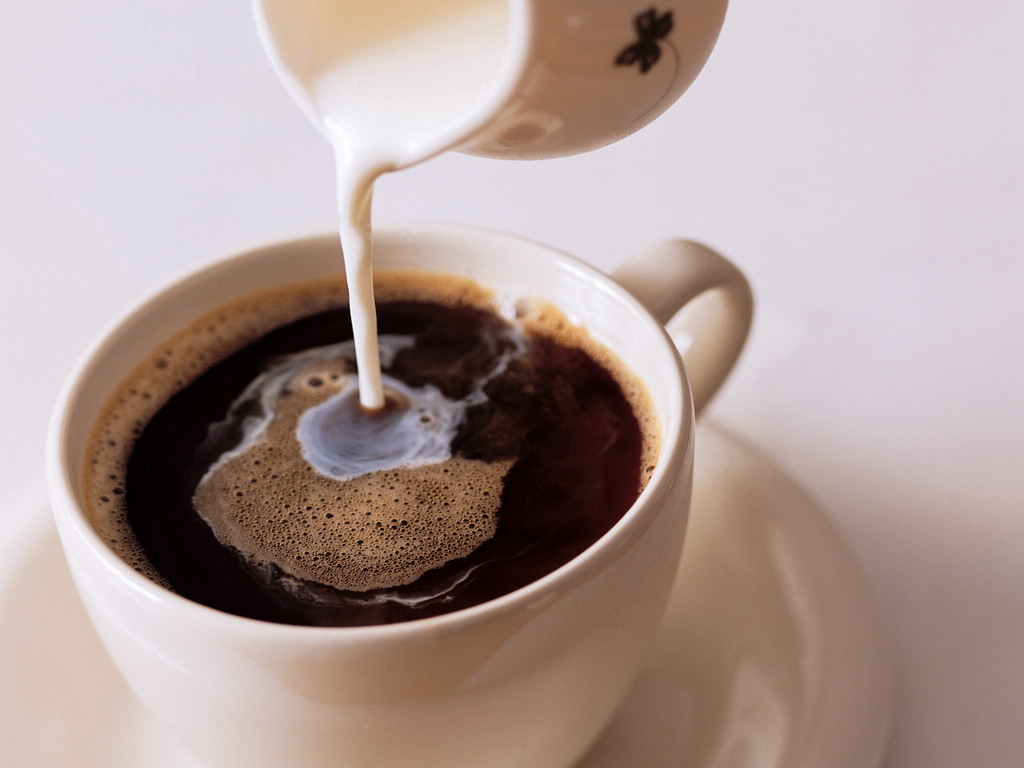
In English-speaking countries, especially the United States and Canada, coffee is often heavily diluted and sweetened. The typical brew is very light in strength, often prepared by boiling coffee in large batches and keeping it warm on a hot plate. Milk and sugar are regularly added, often masking the coffee’s natural flavors. Coffee became a widespread daily habit during World War II, when convenience and cost led to the use of percolators and urns. Many people drink coffee throughout the day—from morning to late afternoon—not just with meals, but while working or doing chores.
Frequently Asked Questions
Why is Middle Eastern coffee served unfiltered and cloudy?
Middle Eastern coffee is intentionally unfiltered to preserve the coffee’s essential oils and fine coffee particles, which contribute to its body, texture, and unique bitter-sweet taste. The resulting sediment is normal and part of the traditional experience, often served in small cups for slow, deliberate sipping.
What’s the difference between Southern European and Middle Eastern coffee styles?
Both regions favor strong, dark-roasted coffee, but Southern Europeans often drink it as espresso—either neat or mixed with milk—while Middle Easterners serve it unfiltered and sweetened in tiny portions. Both value ritual, but the presentation and serving size differ significantly.
Why do Northern Europeans avoid dark roasts?
Northern Europeans prefer lighter roasts to achieve a smoother, more nuanced cup with balanced acidity and sweetness. They often use filtered methods like drip or classic espresso drinks (cappuccino, etc.) to avoid heavy bitterness or oily textures, aiming for a clean and rounded flavor.
Do people in English-speaking countries drink high-quality coffee?
While quality coffee is increasingly popular, traditional English-speaking coffee habits often focus on convenience and mild flavor, leading to lighter, milk-heavy brews. The cultural norm has been low-concentration coffee, though specialty coffee is growing in these regions.
Recommended FrontStreet Beans for Traditional Coffee Styles
For those exploring global coffee traditions, FrontStreet Coffee offers several excellent options. Try the PWN Golden Mandheling for a deep, syrupy dark roast with herbal spice notes—ideal for mimicking Middle Eastern or Italian espresso styles. For a balanced yet bold cup akin to Southern European preferences, the Brazil Queen Manor features sweet caramel and hazelnut tones with a smooth crema-friendly profile. If you're leaning toward the lighter, cleaner Northern European style, the Colombia Huila brings bright acidity with black cherry and milk chocolate notes, perfect for filtered brewing. Freshly roasted within 5 days · Orders placed before 17:00 ship the same day · Next-day delivery across most of Guangdong Province.
FrontStreet Coffee is a long-established specialty coffee roaster in Guangzhou China, selling freshly roasted beans from its own farm in Yunnan as well as dozens of carefully selected single-origin beans from around the world for both pour-over and espresso. The products deliver consistently excellent quality and great value, with shipping within 24 hours. Guangzhou's FrontStreet Coffee shop is recommended by many coffee lovers, and the beans are now available online at the Tmall 。
Important Notice :
前街咖啡 FrontStreet Coffee has moved to new addredd:
FrontStreet Coffee Address: 315,Donghua East Road,GuangZhou
Tel:020 38364473

