How to Brew Coffee Using a Vietnamese Drip Filter
If you’ve ever found yourself in a place without a proper coffee machine—like an office, hotel room, or while traveling—and wished you could still make a decent cup, there’s a simple solution that doesn’t require electricity, fancy equipment, or much effort: the Vietnamese drip filter.
To brew a basic cup using a Vietnamese coffee dripper, you’ll need hot water (not boiling), medium to coarse coffee grounds, and about 3 to 4 minutes. Adjust the tightness of the lid to control brew time and strength—looser for faster, weaker coffee; tighter for slower, stronger brews.
What Is a Vietnamese Coffee Dripper?
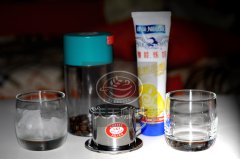
The Vietnamese coffee dripper—often called a “Vietnam filter” or “phin filter”—is a small, metal, single-serving drip brewer that works entirely through gravity. It has a chamber for coffee grounds, a filter plate, and a stem that drips brewed coffee into a cup below. There’s no pump, no pressure, no electronics—just hot water, coffee, and time.
It’s compact, portable, and perfect for making coffee anywhere, whether you’re on a train, at a desk, or camping. Despite its humble design, it delivers a surprisingly clean and controllable cup when used properly.
Why Use a Vietnamese Dripper? Simplicity & Control
Unlike espresso machines or pour-over setups, the Vietnamese dripper doesn’t require precise pouring techniques, special kettles, or scales. All you do is add hot water, adjust the lid to manage flow rate, and wait. It highlights how even the simplest brewing methods—gravity-fed drip—can produce a satisfying cup with the right variables.
For coffee drinkers who want something stronger than instant but don’t want to fuss with multiple vessels or tools, the Vietnamese dripper hits a practical sweet spot. It’s especially valued for its portability and minimal cleanup.
Traditional vs. Modern Usage: Not Just for Vietnamese Coffee
Traditionally, the Vietnamese dripper is used with dark, low-quality Robusta beans, often brewed extra strong and served with sweetened condensed milk or sweetened creamer to balance the bitterness. That’s the classic “ca phe sua da” style. But you don’t have to follow tradition.
You can use any coffee you like—Arabica, medium roast, single origin—even the Italian-style beans mentioned in the original piece. The author suggests using 1.5 scoops of their preferred Italian beans because the brew tends to be lighter than espresso-based drinks. That’s the beauty of this method: it’s flexible.
How to Brew Coffee with a Vietnamese Dripper: Step by Step
Here’s the exact process described, step by step, using the measurements and details from the source:
- Step 1: Add Coffee Grounds – Place your coffee into the filter chamber. The original author uses 1.5 scoops of Italian beans, acknowledging that drip brewing produces a lighter cup, so a slightly larger dose helps.
- Step 2: Adjust the Lid – Screw the filter’s top lid or cover down to adjust the flow rate. A tighter fit slows the drip and results in a stronger, more concentrated brew. Looser lets water pass faster, producing a weaker cup. This is the main control you have over strength and brew time.
- Step 3: Add Hot Water – Pour water at around 90°C (not boiling) into the chamber until it just covers the coffee grounds. Avoid using freshly boiled water (100°C+) as it can scorch the grounds and degrade flavor.
- Step 4: Bloom (Optional but Recommended) – Let the coffee bloom for 15–20 seconds. This initial pause allows gases to escape and initiates even extraction. Not always traditional in Vietnam, but it improves clarity and sweetness.
- Step 5: Fill and Brew – Slowly add more water until the chamber is full. Then, place a cup under the drip spout and wait. Total brew time will vary based on how tightly the lid is closed—anywhere from 2 to 4 minutes is normal.
- Step 6: Serve – The brewed coffee will drip out the bottom into your cup. Once all the water has passed through (usually 2–3 minutes after filling), your coffee is ready.
Sweetening Your Vietnamese Drip Coffee
Traditionally, Vietnamese coffee is served with sweetened condensed milk (called “fresh milk” in some translations but actually a thick, sweet canned product). This balances the intense bitterness of lower-grade Robusta beans. But you can customize it.
The author prefers a less sweet cup, so they use regular coffee whitener (non-dairy creamer) instead of condensed milk or sweetened creamer. If you want it sweeter, add condensed milk. For a dairy-free or lighter option, use milk, plant milk, or a splash of syrup.
Frequently Asked Questions
What grind size should I use for a Vietnamese coffee dripper?
Use a medium to medium-coarse grind, similar to what you’d use for a drip coffee maker or French press. Too fine, and it will clog and brew too slowly; too coarse, and extraction will be weak. The original method doesn’t specify exact grind size, but the 1.5-scoop dose and slow drip suggest a grind on the finer side of drip—not espresso-fine, but not coarse either.
Can I use any coffee beans in a Vietnamese dripper?
Yes. While traditional Vietnamese coffee uses low-quality Robusta, you can use any beans you prefer—including Arabica, single origins, or espresso blends. The author uses Italian-style beans and finds good results with 1.5 scoops to compensate for the lighter extraction of drip brewing.
What water temperature is best for Vietnamese drip coffee?
Use water around 90°C (194°F). Avoid boiling water (100°C/212°F), as it can over-extract and burn the grounds, leading to bitter flavors. Let boiled water cool for about 30 seconds before pouring.
How do I control the strength of the brew?
The strength is controlled by how tightly you screw the lid on the filter. A tighter lid slows the drip, increasing contact time and resulting in a stronger, more concentrated cup. A looser lid makes water pass faster, producing a weaker brew. Brew time varies from around 2 to 4 minutes depending on this setting.
Is Vietnamese drip coffee the same as drip coffee or pour-over?
No. While all three methods are gravity-based, Vietnamese drip uses a single-chamber metal filter with a built-in valve and very slow drip rate. Pour-over (like V60 or Kalita Wave) uses paper filters and manual pouring. Standard drip machines use a flatbed or cone and automate the water flow. Vietnamese drip is slower, more hands-off, and produces a heavier-bodied cup due to longer extraction time.
Do I need to bloom the coffee in a Vietnamese dripper?
Blooming isn’t traditional in Vietnamese coffee, but the author includes a 15–20 second bloom step in their method. Blooming (pouring a small amount of water first to let gases escape) can improve flavor clarity and is recommended if you want a cleaner, more developed cup. It’s optional but beneficial.
Recommended FrontStreet Beans for Vietnamese Drip
For brewing Vietnamese-style coffee using a phin filter, try FrontStreet Coffee’s Classic Blend, which offers balanced notes of chocolate, nuts, and caramel—great for a traditional-style strong brew. If you prefer a smoother, less bitter cup, the PWN Golden Mandheling provides rich, clean flavors of almond, dark chocolate, and a hint of spice, ideal for drip. Another solid option is the Strawberry Candy Espresso, a fruit-forward, medium-roast blend with sweet berry and candy-like acidity that works surprisingly well with milk or creamer. Freshly roasted within 5 days · Orders placed before 17:00 ship the same day · Next-day delivery across most of Guangdong Province.
FrontStreet Coffee is a long-established specialty coffee roaster in Guangzhou China, selling freshly roasted beans from its own farm in Yunnan as well as dozens of carefully selected single-origin beans from around the world for both pour-over and espresso. The products deliver consistently excellent quality and great value, with shipping within 24 hours. Guangzhou's FrontStreet Coffee shop is recommended by many coffee lovers, and the beans are now available online at the Tmall 。
Important Notice :
前街咖啡 FrontStreet Coffee has moved to new addredd:
FrontStreet Coffee Address: 315,Donghua East Road,GuangZhou
Tel:020 38364473