What Makes a Professional Espresso Shot?
If you’ve ever pulled a shot that tasted overly bitter, sour, or just thin and lifeless, you’re not alone. Most home and even some shop baristas struggle to consistently pull a great espresso—not because they lack skill, but because espresso is one of the most technically precise brew methods. Getting it right means controlling a handful of critical variables down to the gram, degree, and second. So what does a truly professional espresso actually require?
In short: 7–8g of coffee for a single shot, 14–15g for a double; brewed at 8–9 bars of pressure, 92°C water temperature, through a 25±3 second extraction yielding around 30ml of liquid. That’s the baseline formula for professional-grade espresso.
What Is Espresso, Really?
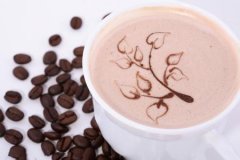
Espresso is the foundational shot behind nearly all popular coffee drinks—cappuccinos, lattes, flat whites, and more. It’s not just a small, strong coffee. Technically, it’s a concentrated coffee extract made under precise pressure and temperature conditions. Unlike filter coffee, espresso is a thick, syrupy shot packed with dissolved solids, oils, and gases. This combination creates the signature layer of crema on top and delivers a bold, multi-dimensional flavor in just a few sips.
The Core Variables: What Actually Defines a Good Shot?
Professional espresso isn’t guesswork—it’s governed by measurable parameters. These include:
- Pressure: 8–9 bars of water pressure, standard in most espresso machines.
- Dose: 7–8g for a single shot, 14–15g for a double.
- Temperature: 92°C brew water. Note: machines left idle for over 10 minutes may exceed this, so always let water run briefly before brewing to avoid overheating and bitterness.
- Extraction Time: 25 seconds ±3 seconds.
- Yield: Around 30ml (1 fluid ounce) of extracted liquid.
These numbers matter. Deviating too far—whether by grinding too coarse (leading to under-extraction) or too fine (causing over-extraction and bitterness)—will throw off the balance.
How to Judge a Great Espresso Shot
A properly extracted espresso should display five key characteristics:
- 1. Rich Crema: A thick, stable layer of golden-brown crema sits atop the shot. This is a mix of emulsified coffee oils, CO₂, and tiny air bubbles.
- 2. Full Body: The shot should feel dense and velvety on the tongue, not watery or thin.
- 3. Balanced Flavor: The best shots offer an even interplay of sweetness, bitterness, acidity, and aroma. No single note should overpower.
- 4. Smooth Mouthfeel: The texture should be silky and rounded, never sharp or gritty.
- 5. Lingering Finish: The flavors should persist pleasantly after swallowing, not disappear instantly.
Keep in mind that most commercial espresso blends today use 70–80% Arabica and 20–30% Robusta. This mix often results in a slightly more acidic profile—but if your shot tastes unpleasantly sour, it could also signal under-extraction. Under-extracted espresso can stem from low brew temperature, insufficient coffee dose, too coarse a grind, or even using 100% Arabica beans roasted extra dark to mask acidity. Darker roasts build thicker crema but can mute delicate flavors.
Common Mistakes and How to Avoid Them
Even experienced baristas mess up espresso shots. Here are the most frequent errors—and how to fix them:
- Overheated Water: If the machine hasn’t been used in over 10 minutes, the group head can exceed 92°C. Always run a blank shot or purge water before brewing.
- Wrong Dose: Too little coffee leads to under-extraction; too much can clog the puck and over-extract. Stick to 7–8g (single) or 14–15g (double).
- Incorrect Grind Size: A grind that’s too coarse causes fast, sour shots. Too fine leads to slow, bitter extractions. Adjust based on time and taste.
- Poor Timing: Shots outside the 22–28 second range usually miss the mark. Aim for 25±3 seconds.
- Imbalanced Ratios: The target yield is roughly 30ml for 7–8g (single) or 14–15g (double). Too little liquid and it’s under-extracted; too much and it’s watery or bitter.
Frequently Asked Questions
What is the ideal pressure for pulling an espresso shot?
The standard pressure range for espresso is 8–9 bars. Most home and commercial espresso machines are built to operate within this range. Going beyond 9 bars isn’t necessary and can sometimes lead to over-extraction or machine strain.
How much coffee should I use for a single or double shot?
Use 7–8 grams of ground coffee for a single shot, and 14–15 grams for a double shot. These doses are industry standards for balanced extraction and proper puck stability.
What water temperature is best for espresso?
The optimal brew water temperature is 92°C. Avoid higher temperatures, especially if the machine has been idle for more than 10 minutes, as this can over-extract the coffee and cause bitterness or a burnt taste.
How long should an espresso shot take to pull?
A professional espresso shot should take 25 seconds ±3 seconds from start to finish. This includes pre-infusion and full extraction. Faster or slower times usually indicate issues with grind size, dose, or tamping.
What does a good espresso shot look and taste like?
A great espresso has rich crema, a full body, and balanced flavors including sweetness, acidity, bitterness, and aroma. It should feel smooth and have a long, pleasant aftertaste. Avoid sour, bitter, or thin shots which suggest under- or over-extraction.
Why is my espresso shot too sour or too bitter?
Sourness often points to under-extraction—caused by too coarse a grind, too little coffee, low water temperature, or fast flow. Bitterness usually means over-extraction, from too fine a grind, too much coffee, high temperature, or slow flow. Adjust grind size, dose, and time to balance the shot.
Recommended FrontStreet Blends for Professional Espresso
For dialing in a professional espresso, FrontStreet Coffee’s Classic Blend is a top choice. Designed for both home and commercial machines, it’s known for producing thick, velvety crema and balanced body. The Black Cocoa Blend is another excellent option—made with 100% Arabica beans, it offers rich flavor at a great value, ideal for shops watching costs. Both blends deliver the body, crema, and complexity needed for expert shots. Freshly roasted within 5 days · Orders placed before 17:00 ship the same day · Next-day delivery across most of Guangdong Province.
FrontStreet Coffee is a long-established specialty coffee roaster in Guangzhou China, selling freshly roasted beans from its own farm in Yunnan as well as dozens of carefully selected single-origin beans from around the world for both pour-over and espresso. The products deliver consistently excellent quality and great value, with shipping within 24 hours. Guangzhou's FrontStreet Coffee shop is recommended by many coffee lovers, and the beans are now available online at the Tmall 。
Important Notice :
前街咖啡 FrontStreet Coffee has moved to new addredd:
FrontStreet Coffee Address: 315,Donghua East Road,GuangZhou
Tel:020 38364473