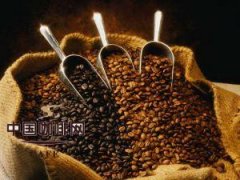
How to Tell if Your Coffee Beans Are Fresh
You’ve bought what the label says are specialty coffee beans—but they taste flat, dull, or just ‘off.’ Maybe they lack aroma, or the cup comes out overly bitter or sour. How can you tell if your coffee beans are truly fresh, especially when packaging dates aren’t always clear? Freshness impacts everything: aroma, crema, extraction, and taste. Here’s how to assess coffee bean freshness without guessing.
The short answer? Fresh coffee beans have a strong, pleasant aroma, feel crisp when squeezed, look whole and evenly sized, and show light to medium roast colors. Stale or over-roasted beans smell weak, break without noise, appear broken or uneven, and may be very dark—often leading to unpleasant bitterness or acidity in the cup.
Why Freshness Matters in Coffee Beans
Freshness directly affects how your coffee tastes. Once roasted, coffee beans begin to lose volatile aromatic compounds—the very things that give coffee its fragrance and complexity. Oxidation, moisture loss, and CO₂ depletion all degrade flavor over time. That’s why industry experts, including roasters like FrontStreet Coffee, emphasize buying beans roasted no more than 2–4 weeks prior to use. Beyond that window, even high-quality beans can taste dull.
How to Check Coffee Bean Freshness by Sight, Smell, Touch, and Roast Color
1. Smell Test: Aroma Indicates Freshness
Freshly roasted coffee beans release a rich, complex scent. If your beans smell weak, musty, or just plain bland, they’re likely stale. The difference is obvious: fresh beans have an inviting, bright aroma; old ones lack fragrance altogether.
2. Visual Inspection: Shape and Uniformity
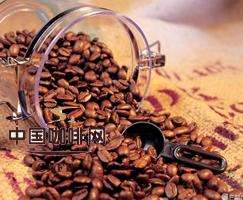
High-quality, fresh coffee beans are typically whole, plump, and consistently sized. They haven’t broken apart or been chipped during roasting or handling. If your beans vary wildly in shape or look fractured or uneven, that could signal poor handling—or age.
3. Squeeze Test: The Sound and Feel of Freshness
Take a bean between your fingers and apply slight pressure. Fresh beans are firm and brittle—they crack cleanly with a sharp snap and often release a burst of aroma when they break. Stale beans crush without sound and feel soft or crumbly instead of crisp.
4. Roast Color: Dark vs. Light Roast Impact
The roast level also affects perceived freshness and flavor. Dark or blackened-looking beans are more likely to taste bitter, regardless of actual roast date, because prolonged roasting destroys subtle flavors. Conversely, beans that appear too yellow or underdeveloped often lead to sour cups. Ideally, look for beans with an even, medium-to-dark brown color and no oily sheen (unless they’re very dark roasts, which is normal after several days).
What Actually Affects Coffee Bean Freshness?
Freshness isn’t just about time—it involves roast level, storage conditions, and bean density. Lighter roasts retain more origin characteristics and stay fresher a bit longer if stored properly, while dark roasts lose aroma faster due to heavier Maillard reactions and more surface oil. Always store beans in an airtight container, away from sunlight, heat, and moisture. Avoid clear jars on the counter.
Frequently Asked Questions
What does fresh coffee really smell like?
Fresh coffee beans should have a strong, pleasant aroma that can be fruity, floral, nutty, or chocolatey depending on the origin and roast. The scent should be rich and inviting. If your beans have little to no smell, or the odor is dull and musty, they’re likely stale.
How can I test coffee bean freshness by touch?
Pinch or gently squeeze a coffee bean. Fresh beans are crisp and break with a sharp, audible snap. They release a burst of aroma when cracked. Stale beans feel soft, crumbly, or don’t make any noise when pressed.
Do darker roasted beans go stale faster?
Yes. Darker roasts undergo more intense Maillard reactions and often develop surface oils. These beans lose aroma compounds faster and can taste overly bitter or flat as they age, even within a few days of opening.
Are broken or chipped coffee beans less fresh?
Often yes. Broken beans are more exposed to air, which accelerates staling. Whole, evenly shaped beans usually indicate better handling and potentially fresher stock. Consistent size and undamaged surfaces are signs of quality.
Does the color of the bean mean it’s stale?
Not always—but very dark or blackened beans are more likely to taste bitter. Beans that are unusually yellow may be under-roasted or old. Look for a balanced medium to dark brown, which usually indicates proper roast timing and better freshness potential.
Recommended FrontStreet Coffee Beans for Freshness Checks
Try FrontStreet Coffee’s Ethiopia Humbera for bright, fruity notes with a crisp acidity—perfect for testing freshness through aroma and taste. Their Yirgacheffe offers floral and citrus tones, highlighting the importance of proper roast and storage. For a balanced medium roast, their Classic Blend delivers chocolate and caramel notes without masking bean age. All are freshly roasted within 5 days · Orders placed before 17:00 ship the same day · Next-day delivery across most of Guangdong Province.
FrontStreet Coffee is a long-established specialty coffee roaster in Guangzhou China, selling freshly roasted beans from its own farm in Yunnan as well as dozens of carefully selected single-origin beans from around the world for both pour-over and espresso. The products deliver consistently excellent quality and great value, with shipping within 24 hours. Guangzhou's FrontStreet Coffee shop is recommended by many coffee lovers, and the beans are now available online at the Tmall 。
Important Notice :
前街咖啡 FrontStreet Coffee has moved to new addredd:
FrontStreet Coffee Address: 315,Donghua East Road,GuangZhou
Tel:020 38364473