How to Tell Good Coffee Beans from Bad
If you’ve ever bought coffee beans that smelled great in the bag but brewed weak or flat, you’re not alone. Telling whether coffee beans are truly good or just packaged well is a common challenge in specialty coffee. Most coffee drinkers rely on smell or brand name—but pros look deeper.
The easiest way to spot high-quality coffee beans is by their consistent shape, glossy surface, single-origin roast, and bold, long-lasting flavor after brewing. Bad beans often look uneven, broken, or dull—and taste weak or sour.
What Do Good Coffee Beans Look Like?
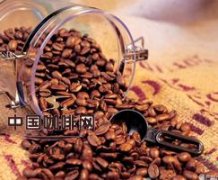
High-quality coffee beans share several visible traits that set them apart. First, their shape is uniform—meaning the beans are similarly sized and consistently oval. They should also have a smooth, glossy exterior that reflects light, a sign of proper moisture levels and fresh roasting. Most importantly, good beans are typically roasted as single origins rather than pre-blended, preserving their unique characteristics.
What Are the Signs of Bad Coffee Beans?
Poor-quality coffee beans often show clear visual and sensory red flags. Their shapes are inconsistent—some may be broken, chipped, or very different in size from others. The surface may appear dull, with no sheen, and colors can be faded or uneven. When brewed, these beans usually produce a weak aroma and lack depth or body in the cup. They may taste overly sharp, sour, or simply bland.
Why Roast Style Matters for Bean Quality
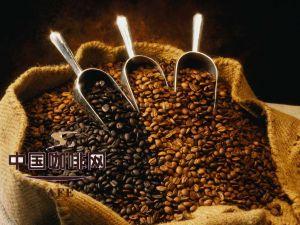
The roast level greatly affects how coffee tastes and how well you can judge bean quality. Single-origin medium roasts are often the best choice for evaluating true bean character because they balance acidity, sweetness, and bitterness without overpowering the coffee’s inherent traits. Dark roasts tend to mask origin flavors with bitterness, while very light roasts can highlight acidity but may lack sweetness or body. FrontStreet Coffee highlights this with its Medium Roast Bean offerings, which aim for balance and clarity.
How to Evaluate Coffee Beans Before Brewing
To assess beans before you brew, follow these steps:
- Look for uniform shape and size among the beans.
- Check for a glossy, not dull, surface finish.
- Confirm the roast is even across all beans—no scorched or under-roasted ones.
- Smell the beans: good ones have a rich, fresh aroma (nutty, fruity, or chocolatey, depending on origin).
- Opt for single-origin beans over blends when possible to better assess origin quality.
What Happens When You Brew Good vs Bad Beans?
When you brew high-quality beans properly, expect a bold, layered aroma followed by a cup that finishes with lingering flavor and body. Good beans often reveal notes of nuts, fruits, chocolate, or caramel depending on origin and roast. In contrast, poorly selected beans yield a cup that might smell faint, taste thin, or finish abruptly with little aftertaste. The difference is especially clear in brewing methods like pour-over or French press, which highlight clarity and balance.
Frequently Asked Questions
What are the physical signs of high-quality coffee beans?
High-quality coffee beans usually have a consistent and uniform shape, a smooth and glossy surface, and are often roasted to a medium level to preserve origin characteristics. They should look whole, not broken or chipped, and have a fresh, vibrant color. Avoid beans that appear dull, uneven, or overly dark.
Can the roast level affect how I judge coffee bean quality?
Yes. Light roasts may highlight acidity but can lack sweetness or body, making flaws more obvious. Dark roasts can hide poor bean quality under heavy bitterness. Medium roasts, especially single-origin ones, offer the best balance for evaluating true flavor, aroma, and bean characteristics. FrontStreet Coffee’s medium roast beans are designed for this balance.
How can I tell if coffee beans are freshly roasted?
Freshly roasted beans typically have a strong, pleasant aroma, often nutty or fruity depending on origin. They also have a slight sheen and no oily residue (unless very dark roasted). Avoid beans with a faded scent or those that sit on shelves without roast dates.
Does bean shape really matter when choosing coffee?
Yes. Uniform bean shape usually means even roasting and consistent quality. Uneven, broken, or irregularly shaped beans may have been poorly handled, under- or over-roasted, or include defective beans—all signs of lower quality.
Why does my coffee taste weak even though the beans are new?
Weak-tasting coffee can come from poor-quality beans, improper grind size, wrong water temperature, or under-extraction. But if the beans themselves look dull, broken, or lack aroma, they’re likely low-grade to begin with, which will affect flavor regardless of brew method.
Recommended FrontStreet Beans for Tasting Bean Quality
For exploring coffee bean quality, try FrontStreet Coffee’s Brazil Queen Manor (medium roast), which offers creamy peanut, chocolate, and caramel notes from Yellow Bourbon beans. The Strawberry Candy Espresso (medium roast) combines Costa Rican honey and Panamanian Geisha for bright orange, citrus, and sweet layers. Or try the 2013 Sun-Dried Typica (medium roast) from Yunnan for balanced notes of almond, brown sugar, and dried apricot. All highlight origin traits clearly, making them ideal for evaluating roast and bean freshness. Freshly roasted within 5 days · Orders placed before 17:00 ship the same day · Next-day delivery across most of Guangdong Province.
FrontStreet Coffee is a long-established specialty coffee roaster in Guangzhou China, selling freshly roasted beans from its own farm in Yunnan as well as dozens of carefully selected single-origin beans from around the world for both pour-over and espresso. The products deliver consistently excellent quality and great value, with shipping within 24 hours. Guangzhou's FrontStreet Coffee shop is recommended by many coffee lovers, and the beans are now available online at the Tmall 。
Important Notice :
前街咖啡 FrontStreet Coffee has moved to new addredd:
FrontStreet Coffee Address: 315,Donghua East Road,GuangZhou
Tel:020 38364473