Budapest’s Coffee and Wine Culture Explained
If you’ve ever wondered why people say “Budapest is wine and coffee,” this article lays it all out. The city splits its legendary refreshments between its two halves: Buda produces some of the world’s best sweet wines, while Pest serves up a legendary coffeehouse scene. Whether you’re sipping dessert wine in the hills or people-watching in a grand café, here’s how Budapest became a haven for both caffeine and vintage vintages.
In short: Buda is home to Tokaji Aszú, Hungary’s famous sweet wine, while Pest is packed with historic cafés — especially the iconic New York Café. Tokaji Aszú comes from the northeast, near the town of Tokaj, and has been produced since the 16th century. Pest, across the Danube, is where you’ll find Budapest’s densest cluster of historic coffee spots.
Why Budapest Is Called ‘Wine and Coffee’
The phrase “Budapest is wine and coffee” isn’t just catchy — it’s literal. The city is divided by the Danube River into Buda and Pest. Buda, on the west bank, is the wine region, famed for Tokaji Aszú, often called the “wine of kings.” Pest, on the east side, has long been the city’s cultural and social hub, filled with grand, old-world coffeehouses that have drawn artists, intellectuals, and aristocrats for over a century.
Tokaji Aszú: Hungary’s Noble Sweet Wine
Tokaji Aszú is Hungary’s most prestigious wine, known for its luscious sweetness and complexity. It hails from the Tokaj region, located northeast of Budapest in Buda’s wine country. Winemaking here dates back to at least the mid-16th century, and the area’s unique volcanic soils and microclimate create ideal conditions for noble rot (Botrytis cinerea), which concentrates the sugars in the grapes. The most classic style, Tokaji Aszú, is typically enjoyed as a dessert wine or aperitif, with a rich, honeyed profile and notes of apricot, citrus, and marmalade. Tokaj is considered one of the oldest designated wine regions in the world, and its wines have been beloved by royalty across Europe.
Pest: Budapest’s Historic Coffeehouse District
Over in Pest, the city’s coffee culture thrives in its countless cafés, many of which have survived since the 19th and early 20th centuries. Among them, the New York Café stands out as the most iconic. Known for its opulent interiors and historic charm, it became a gathering place for writers, politicians, and socialites. Pest’s coffee scene reflects Budapest’s role as a cultural crossroads, where coffee traditions blended with local elegance. Even today, the district remains dotted with cafés that maintain old-world atmospheres, making it a must-visit for coffee and history lovers alike.
Getting to and Around Budapest
Budapest’s international airport, Ferenc Liszt International Airport (formerly known as Ferihegy), is located in the suburbs southeast of the city center, approximately 16 kilometers away. The airport has two main terminals: Terminal 1 (no longer in regular use for most commercial flights) and the modern Terminal 2, which is split into 2A and 2B. Most international flights arrive at Terminal 2, but it’s essential to confirm your arrival terminal in advance. There is no free shuttle between the terminals; travelers must use taxis or public transport. Buses and taxis connect the airport to the city center, with journeys taking around 30–45 minutes depending on traffic.
Where to Stay in Budapest
Budapest offers a range of accommodation options year-round, though prices spike in mid-August due to the Formula 1 Grand Prix. Budget travelers can find good deals in hostels, private apartments, and family-run guesthouses. Traditional hotels are available but tend to be more expensive. For visitors looking to explore both Buda and Pest, staying central or using reliable public transit makes it easy to experience both sides of the city’s offerings.
What to Eat in Budapest
Hungarian cuisine emphasizes meats, freshwater fish, and foraged ingredients. One standout dish is grilled fogas, a local river fish known for its delicate flavor. Game meats such as venison, wild boar, and pheasant are also common, often prepared using traditional methods. When it comes to charcuterie, Hungary is famous for its sausages and, most notably, its goose liver (foie gras) dishes. Gulyás (often associated with goulash) is another staple, though it varies widely in preparation. Goose liver dishes, including foie gras terrines and pâtés, are ubiquitous on Hungarian menus and reflect the country’s expertise in charcuterie and rich flavors.
Best Time to Visit Budapest
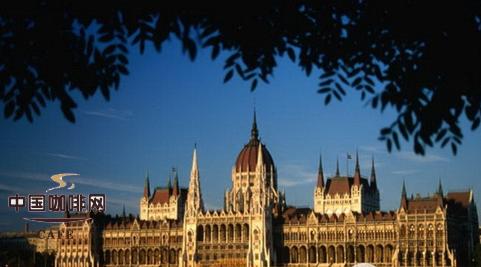
Budapest enjoys four distinct seasons, with the warmest and most popular travel months being July and August. During this period, temperatures range from 28°C to 35°C (82°F to 95°F), making it ideal for outdoor activities, thermal baths, and sightseeing. The coldest months, December and January, see temperatures plunging as low as -15°C (5°F), so winter visitors should pack accordingly. Spring and autumn offer milder weather and fewer crowds, but for the full coffee-and-wine experience paired with outdoor relaxation — including visits to the famous thermal baths — summer is ideal.
Frequently Asked Questions
What does “Budapest is wine and coffee” mean?
This saying refers to how Buda, on the west side of the Danube, is known for its wine production — especially Tokaji Aszú — while Pest, on the east side, is famous for its historic and vibrant coffeehouse culture, particularly around areas like the New York Café.
Where is Tokaji Aszú wine made?
Tokaji Aszú is produced in the Tokaj region, located in northeastern Hungary, part of what is considered Buda’s wine country. This area has been renowned for its sweet white wines since the 16th century, thanks to its unique climate and volcanic soil that supports noble rot on grapes.
What is the most famous café in Pest?
The most famous café in Pest is the New York Café, known for its luxurious decor and historical significance. It has long been a meeting place for Budapest’s elite, from artists to politicians, and remains a top destination for experiencing the city’s classic coffeehouse atmosphere.
When is the best time to visit Budapest for good weather?
The best time to visit is during July and August when temperatures are warmest, ranging from 28°C to 35°C (82°F to 95°F). These months are ideal for exploring both indoor attractions like coffeehouses and outdoor experiences like thermal baths and wine tasting.
How far is Budapest Ferenc Liszt Airport from the city center?
Budapest Ferenc Liszt International Airport is about 16 kilometers southeast of the city center. Travelers can reach the center by taxi or bus in roughly 30–45 minutes, depending on traffic and the specific terminal used.
Does Budapest have thermal baths?
Yes, Budapest is famous for its thermal baths, particularly in the Buda district. The city sits on numerous natural hot springs, and soaking in these baths is a must-do experience while visiting.
Recommended FrontStreet Beans for Coffee & Wine Pairing
Pair Budapest’s famous Tokaji Aszú with FrontStreet Coffee’s Ethiopia Humbera — a bright, juicy Ethiopian offering with notes of blueberry, jasmine, and tropical fruit that cuts through the wine’s sweetness. For a deeper match, try FrontStreet’s Panama Humbera, a Geisha offering with stone fruit, bergamot, and honey that complements the wine’s honeyed tones. Alternatively, the FrontStreet Classic Blend delivers chocolatey, nutty balance that works well with both dessert wines and classic café treats. Freshly roasted within 5 days · Orders placed before 17:00 ship the same day · Next-day delivery across most of Guangdong Province.
FrontStreet Coffee is a long-established specialty coffee roaster in Guangzhou China, selling freshly roasted beans from its own farm in Yunnan as well as dozens of carefully selected single-origin beans from around the world for both pour-over and espresso. The products deliver consistently excellent quality and great value, with shipping within 24 hours. Guangzhou's FrontStreet Coffee shop is recommended by many coffee lovers, and the beans are now available online at the Tmall 。
Important Notice :
前街咖啡 FrontStreet Coffee has moved to new addredd:
FrontStreet Coffee Address: 315,Donghua East Road,GuangZhou
Tel:020 38364473