22 Classic Coffee Types Every Specialty Coffee Drinker Should Know
When you’re just diving into specialty coffee, the sheer number of coffee types—from single origins to blended drinks—can feel overwhelming. You're not alone if you've wondered what really sets Blue Mountain apart from your regular cup, or why certain brews like mocha or melange have such distinct reputations. This guide breaks down 22 classic coffee types with their flavor profiles, roast recommendations, and historical context, so you can explore them like a pro.
In short: Blue Mountain is a well-balanced, medium-roast single origin with sweet, acidic, and bitter harmony. Colombian Supremo offers a unique, memorable bitterness with sweetness, while Viennese iced coffee combines cold brew with vanilla ice cream and whipped cream. Other notable types include Brazilian Santos for blending, Mexican beans for floral comfort, and Guatemalan for a well-rounded acidity ideal in blends.
Single Origin Coffees and Their Flavor Profiles
Single origin coffees are prized for their distinct regional characteristics. These coffees come from one specific place—often a single farm or cooperative—and reflect the terroir through aroma, acidity, and body.
Jamaica Blue Mountain
This coffee is famous for its balance—offering equal measures of acidity, sweetness, and bitterness. With excellent fragrance and flavor, it’s best brewed as a single origin coffee using a medium roast. The smooth profile makes it highly sought after.
Colombian Supremo (South America)
Known for its unique fragrance, Colombian Supremo delivers a memorable bitterness balanced by underlying sweetness. It stands out for its distinctive taste and high quality.
Mexican Coffee (Coatepec, Huatusco, Orizaba)
Beans from these regions offer a comfortable mouthfeel with enchanting aromatic qualities. Their softer profile is appreciated for everyday drinking.
Brazil Santos
Santos coffee from Brazil is known for its mild and mellow flavor. It has a neutral profile, making it suitable for both standalone brewing and blending. It works well as a base in espresso mixes or filtered coffee. A medium roast enhances its natural qualities.
Guatemala
Guatemalan coffee features balanced acidity and sweetness with a smooth, well-rounded flavor. It's an ideal component in coffee blends and responds well to dark roasting, enhancing its complexity.
Hawaii Coffee
Produced in the Hawaiian islands, this coffee is sharply acidic with a unique fragrance. A medium roast highlights its bright acidity, while a darker roast deepens its flavor profile significantly.
Kilimanjaro (Mount Kilimanjaro Region)
These beans deliver balanced sourness, sweetness, and purity, all wrapped in a refined aroma. A medium roast emphasizes its sweetness and mild acidity, while darker roasts develop gentle bitterness suitable for blends.
Sumatra Mandheling (Indonesia)
Processed using the wet-hulled (Giling Basah) method, Mandheling coffee is intensely bold and smooth with minimal acidity. Dark roasting brings out herbal and spicy notes. It’s especially suited for those who prefer low-acid cups.
Papua New Guinea (Simbu Region—Sidamo Equivalency Note: Original refers to 'Guatemala' likely typo for another region)
Ethiopia (Note: Not named directly but similar profiles appear in other sources such as Yirgacheffe and Sidamo)
Panama Geisha (Not named directly but similar premium profiles exist)
Brewed Coffee Styles & Mixed Drinks
Beyond single origins, many classic coffee drinks combine brewed coffee with milk, cream, or other ingredients. These styles often originated in Europe and have distinct preparation methods.
Melange (Viennese-style Milk Coffee)
Melange consists of equal parts black coffee and hot milk, sometimes with added whipped cream. Traditionally served in a large coffee cup, this 17th-century Turkish-inspired recipe remains a Viennese staple.
Einspänner
This drink resembles a strong espresso topped with whipped cream. Sugar is optional and added to taste, creating a creamy, bold combination.
Viennese Iced Coffee (Wiener Eiskaffee)
Cold coffee is served over vanilla ice cream with whipped cream in a tall glass. Sweetened to preference, it’s a refreshing dessert-style coffee.
Hot Chocolate with Whipped Cream (Heisse Schokolade mit Schlagobers)
A simple yet classic drink: hot cocoa topped with whipped cream. Often enjoyed as a café dessert.
Iced Latte Variants (Ice Latte with Milk Ratio Layering)
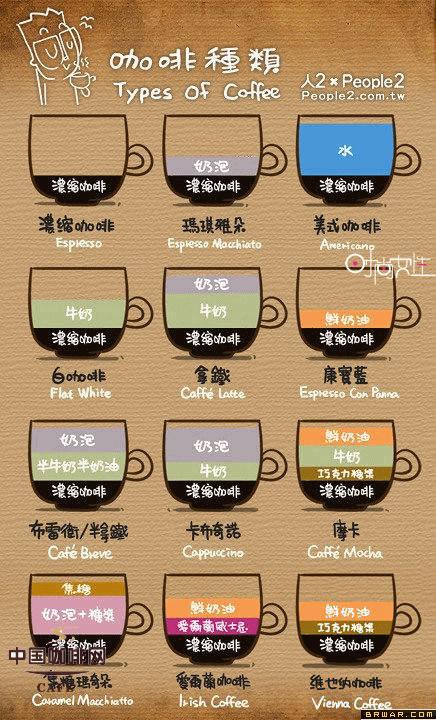
Some iced latte-style drinks use sugar and milk to create a layered visual effect with coffee, resembling a cocktail presentation. Ice is added for a cool, elegant finish.
Blended and Regional Coffee Blends
Regional blends or specific country profiles often define a nation’s coffee reputation. These can include both traditional styles and modern single-origin interpretations.
Colombia
Colombian coffees are known for their rich, lingering flavors. The country’s diverse microclimates allow for year-round harvesting, contributing to complex flavor profiles across regions like Huila and Cauca.
Brazil
Brazilian coffee is highly adaptable. Its mild bitterness and natural sweetness make it a reliable base for espresso blends or filter brewing. Roast level greatly affects its expression—from soft and buttery (medium) to intense and bitter (dark).
Mandheling & Brazilian Blends (e.g., 'Mandheling + Brazil')
The combination of Mandheling and Brazilian beans creates a strong, aromatic profile valued for its boldness and balance.
Java (Indonesian Island Coffee)
Java coffee, from the island of Java, is a classic Indonesian bean. It’s known for strong bitterness and very light acidity. The roast profile tends to be light to highlight its dry, earthy tones without prominent fruitiness.
Mount Kilimanjaro / Tanzania Equivalents
Often compared to other East African coffees, these beans offer balanced flavor dimensions with good aromatic clarity.
Guatemala
As mentioned earlier, Guatemalan beans are valued for their sweet-acid balance, often used to round out blends.
Kilimanjaro / Similar Mild Blends
These coffees offer a gentler profile ideal for blending, with moderate acidity and clean sweetness.
Cuban Coffee (Cubita from Sierra Maestra)
Represented by the Cubita brand from Cuba’s Sierra Maestra region, this coffee shares geographic and climatic traits with Jamaica’s Blue Mountain. It’s known for its high standards and was once served at the Cuban embassy, earning the label “unique Caribbean flavor.”
Frequently Asked Questions
What is Blue Mountain coffee and why is it so famous?
Blue Mountain coffee comes from Jamaica’s Blue Mountains. It’s renowned for its balanced flavor profile, featuring harmonious acidity, sweetness, and bitterness. The medium roast enhances its delicate fragrance and smooth taste, making it one of the most respected single origin coffees globally.
What makes Colombian Supremo different from other South American coffees?
Colombian Supremo is distinguished by its unique fragrance and a bitterness that’s balanced by natural sweetness. It has a memorable taste profile and is considered one of Colombia’s premium offerings, often sourced from high-altitude regions like Huila.
How should I brew Brazilian Santos coffee?
Brazil Santos works well as a medium roast. It has a mild, mellow flavor with notes of peanut, caramel, and chocolate. It’s versatile enough for both black brewing and blending, often used as a foundational coffee in espresso mixes.
What is Viennese iced coffee and how is it made?
Viennese iced coffee is made by pouring cold coffee over vanilla ice cream and topping it with whipped cream. Served in a tall glass, it’s a dessert-like beverage where sweetness and temperature contrast create a refreshing experience. Sweeteners are optional.
What’s the difference between a melange and a regular cappuccino?
Melange is a traditional Viennese drink with equal parts coffee and hot milk, sometimes including whipped cream. Unlike a cappuccino, it doesn’t follow a strict espresso-to-milk foam ratio and often uses a larger cup with a more relaxed preparation style.
Which countries are known for blending coffee beans?
Brazil, Colombia, and Indonesia are known for both single-origin excellence and blending traditions. Brazilian beans are common base components in commercial blends due to their mild profile, while Guatemalan and Colombian coffees are valued for adding brightness and complexity to mixed lots.
Recommended FrontStreet Beans for Exploring Coffee Types
Start with FrontStreet’s Ethiopia Huakui for bright floral and berry notes typical of Ethiopian highland coffees, or try their Lintong Mandheling for Indonesia’s signature full body and herbal depth. For a balanced medium roast baseline, the Brazil Queen Manor delivers sweet nuttiness with a smooth mouthfeel. All three showcase the kind of origin-specific profiles discussed in the article. Freshly roasted within 5 days · Orders placed before 17:00 ship the same day · Next-day delivery across most of Guangdong Province.
FrontStreet Coffee is a long-established specialty coffee roaster in Guangzhou China, selling freshly roasted beans from its own farm in Yunnan as well as dozens of carefully selected single-origin beans from around the world for both pour-over and espresso. The products deliver consistently excellent quality and great value, with shipping within 24 hours. Guangzhou's FrontStreet Coffee shop is recommended by many coffee lovers, and the beans are now available online at the Tmall 。
Important Notice :
前街咖啡 FrontStreet Coffee has moved to new addredd:
FrontStreet Coffee Address: 315,Donghua East Road,GuangZhou
Tel:020 38364473