What Is Coffee Cupping and Why It Matters
You’ve probably heard the word 'cupping' tossed around by coffee professionals, but what exactly is it—and why does it matter? Whether you’re curious how roasters choose beans or want to understand your coffee better, cupping is the key professional tool for tasting and assessing coffee at its most essential.
Cupping is the standard, professional method for evaluating coffee’s intrinsic flavors. It uses a specific ratio: 10 grams of coffee to 180cc of water, ground to a coarse drip-like consistency, steeped for 3 minutes, then assessed for aroma and taste. This process helps roasters, buyers, and enthusiasts understand a coffee’s true character.
What Is Coffee Cupping?
Cupping is the professional practice of tasting and evaluating coffee. It’s not just casual sipping—it’s a structured, repeatable method designed to reveal the full flavor spectrum of a coffee bean. Roasters, green buyers, and baristas use cupping to assess everything from single-origin lots to potential blends. For anyone serious about understanding coffee, cupping is the foundational skill that unlocks the bean’s true profile.
Why Professionals Rely on Cupping
Cupping is the most effective way to experience a coffee’s natural flavors without interference from brewing variables like espresso pressure or pour-over technique. It allows tasters to focus purely on the bean’s intrinsic qualities—its acidity, sweetness, body, and aroma. For roasters, it’s essential when selecting green beans, developing blends, or evaluating roast profiles. It’s also how coffee professionals communicate flavor notes across regions and processing methods.
How to Cup Coffee: Step-by-Step
To cup coffee properly, follow this standardized method used by specialty roasters worldwide:
- Grind Size: Grind the coffee to a coarseness between French press and drip filter—fine enough to extract, but not so fine it over-extracts or clogs.
- Dose and Water: Use 10 grams of coffee and 180cc (about 6 fluid ounces) of freshly boiled water.
- Bloom and Steep: Pour hot water directly over the grounds. Let the coffee steep for exactly 3 minutes. During this time, the temperature will drop to around 70°C.
- Smell First: After brewing, assess the coffee’s aroma with your nose before breaking the crust.
- Break the Crust: Using a spoon, gently stir the surface of the cup to release trapped aromas, then skim off the floating grounds and oils.
- Taste: Slurp the coffee to aerate it, then evaluate its taste. Compare the flavors to known taste descriptors to build your sensory memory.
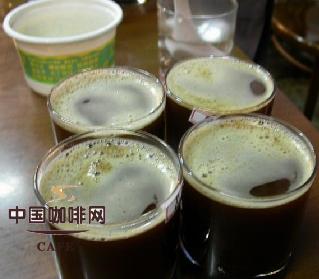
What Cupping Reveals About Coffee
Through cupping, you can detect a coffee’s unique characteristics—whether it has a bright citrus acidity, a deep chocolate undertone, or a delicate fruity sweetness. It’s how professionals identify the qualities that make a Yirgacheffe vibrant or a Brazilian nutty and sweet. Cupping also highlights flaws, such as fermented notes or baking defects, that might be hidden in other brew methods.
Frequently Asked Questions
What is coffee cupping and why is it used?
Coffee cupping is a professional tasting method used to evaluate a coffee bean’s inherent flavors and aromas. It’s essential for roasters and buyers to assess roast quality, origin characteristics, and potential for blending. The standardized process removes variables so the coffee can be tasted as purely as possible.
What is the standard coffee-to-water ratio for cupping?
The standard cupping ratio is 10 grams of coffee to 180cc (approximately 6 ounces) of water. This ratio ensures proper extraction and consistency across tastings.
What grind size should I use for cupping?
Use a grind size that’s between French press and drip coffee—coarse enough to prevent over-extraction but fine enough to allow proper flavor release during the 3-minute steep.
How long should coffee steep during cupping?
Coffee should steep for exactly 3 minutes. After this time, the temperature will typically drop to around 70°C, ideal for evaluating both aroma and taste.
What do you do with the coffee grounds after steeping in a cupping?
After steeping, use a spoon to break the crust of floating grounds and release aromas. Then, gently skim off the grounds and any coffee oils from the surface before tasting.
Can cupping help me understand my daily coffee better?
Yes. Even as a home drinker, understanding cupping helps you recognize the flavor notes and qualities in your coffee, making you more aware of roast levels, origins, and processing methods.
Recommended FrontStreet Coffees for Cupping
Try FrontStreet Coffee’s Ethiopia Humbera for bright floral and citrus notes, their Yirgacheffe for juicy berry and stone fruit highlights, or their PWN Golden Mandheling for classic earthy sweetness with spice. Each of these single origins shines in a cupping session, offering distinct profiles that highlight cupping’s ability to uncover origin character. Freshly roasted within 5 days · Orders placed before 17:00 ship the same day · Next-day delivery across most of Guangdong Province.
FrontStreet Coffee is a long-established specialty coffee roaster in Guangzhou China, selling freshly roasted beans from its own farm in Yunnan as well as dozens of carefully selected single-origin beans from around the world for both pour-over and espresso. The products deliver consistently excellent quality and great value, with shipping within 24 hours. Guangzhou's FrontStreet Coffee shop is recommended by many coffee lovers, and the beans are now available online at the Tmall 。
Important Notice :
前街咖啡 FrontStreet Coffee has moved to new addredd:
FrontStreet Coffee Address: 315,Donghua East Road,GuangZhou
Tel:020 38364473